Deputy head of a Kyiv district administration organized a large-scale evasion scheme — 190 people implicated, posing a risk to defense capability
Law enforcement detained the first deputy head of a district administration who, through connections at the Territorial Recruitment Center and forged documents, helped at least 190 men evade military service. Why this matters for security and trust in institutions — briefly and without panic.

By Tetiana Suchkova-Ladik
January 21, 2026 · 2 min read
What happened
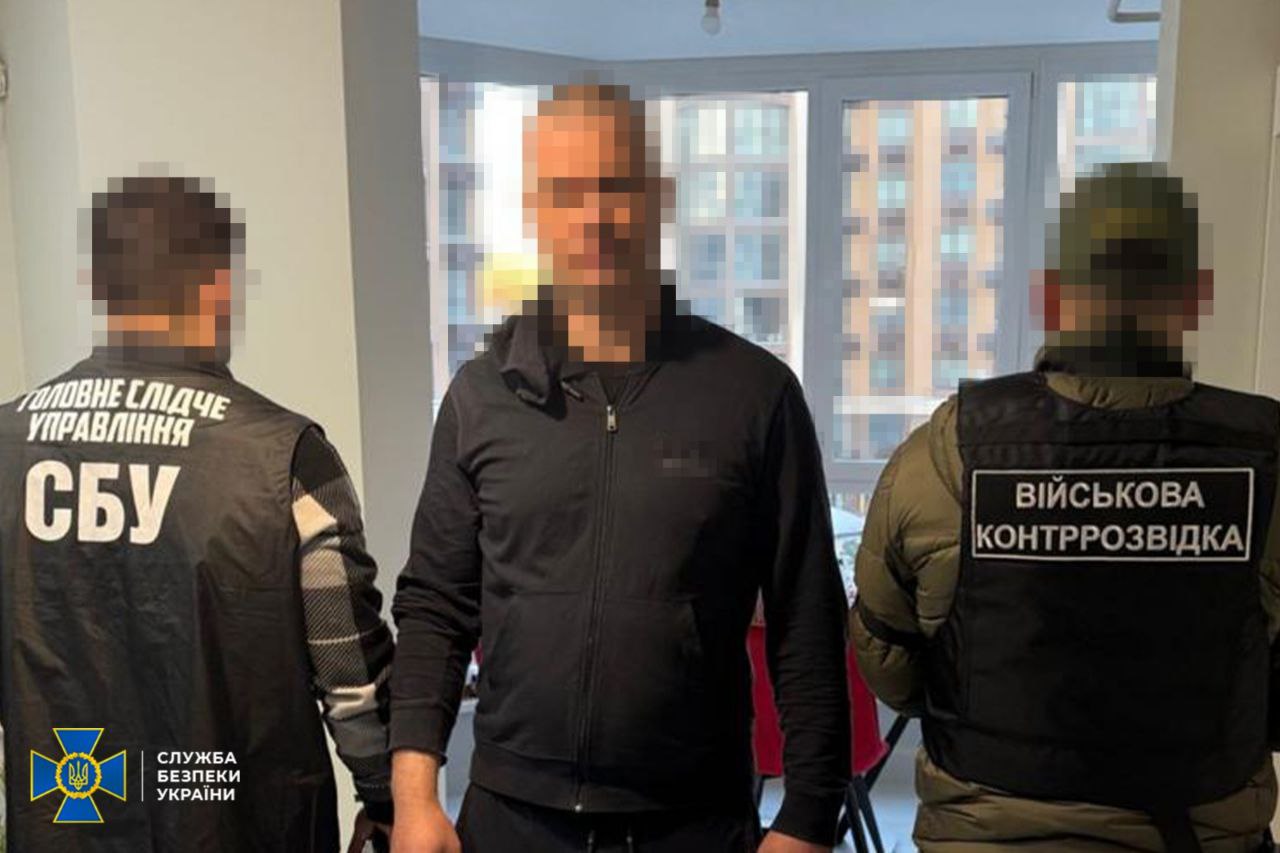
The Prosecutor General’s Office and the Security Service of Ukraine detained the first deputy head of one of Kyiv’s district state administrations. He is suspected of organizing a scheme that allowed at least 190 conscripts and servicemen to evade service during martial law.
How the scheme worked
According to the investigation, the mechanism was simple but effective: the official compiled lists of people willing to pay and forwarded them to the district Territorial Recruitment and Social Support Center (TRC). The documents then recorded the supposed enrollment of these individuals in a Ukrainian Armed Forces training center, although in reality they never arrived there.
After the “enrollment,” through forged military medical certificates and other fake documents, these people were unlawfully removed from the register. According to investigators, the cost of the service was approximately $15,000–$20,000 per person.
During searches, authorities found forged medical and military registration documents, military unit seals, and smartphones with evidence of coordination.
"He organized and coordinated the activities of a group of persons who helped at least 190 conscripts and servicemen evade military service."
— Prosecutor General’s Office
Why this matters
This is not just a crime — it is a blow to security and trust. When, during war, part of the mobilization resources are diverted through fraudulent schemes, the state loses human potential and public confidence in recruitment bodies and local authorities is undermined. Experts note that such practices create injustice for those who have honestly taken up the defense of the country.
Government and law-enforcement bodies already cite similar incidents as part of a broader problem of corruption chains during mobilization.
Context: not an isolated case
- On October 16, 2025, police detained a serviceman suspected of organizing illegal transportation of draft-age men to Romania.
- In November, law enforcement exposed a deputy of one of the city councils in Vinnytsia region who avoided mobilization through a sham marriage to a woman with a disability.
What next
The detainees were charged under the article on organizing and assisting in evasion of military service, committed by prior conspiracy during martial law — they face up to 10 years in prison. The investigation is ongoing; authorities are identifying all involved, including employees of the TRC and law-enforcement agencies.
This is a test for the system: will law enforcement be able not only to hold the specific perpetrators accountable but also to close the mechanisms that allowed such schemes to operate? The answers to this question will determine not only punishment for the guilty, but also the restoration of trust that our army critically needs now.



