Deputy commander from Sumy region to stand trial for staging an execution and a beating — a signal to the army
The State Bureau of Investigation has completed an investigation into an officer who intimidated and brutally beat subordinates after they publicized a recording of his threats. This is a case about power, control and responsibility within the internal life of the military — and it is important for discipline during wartime.

By Tetiana Suchkova-Ladik
January 21, 2026 · 2 min read
Briefly
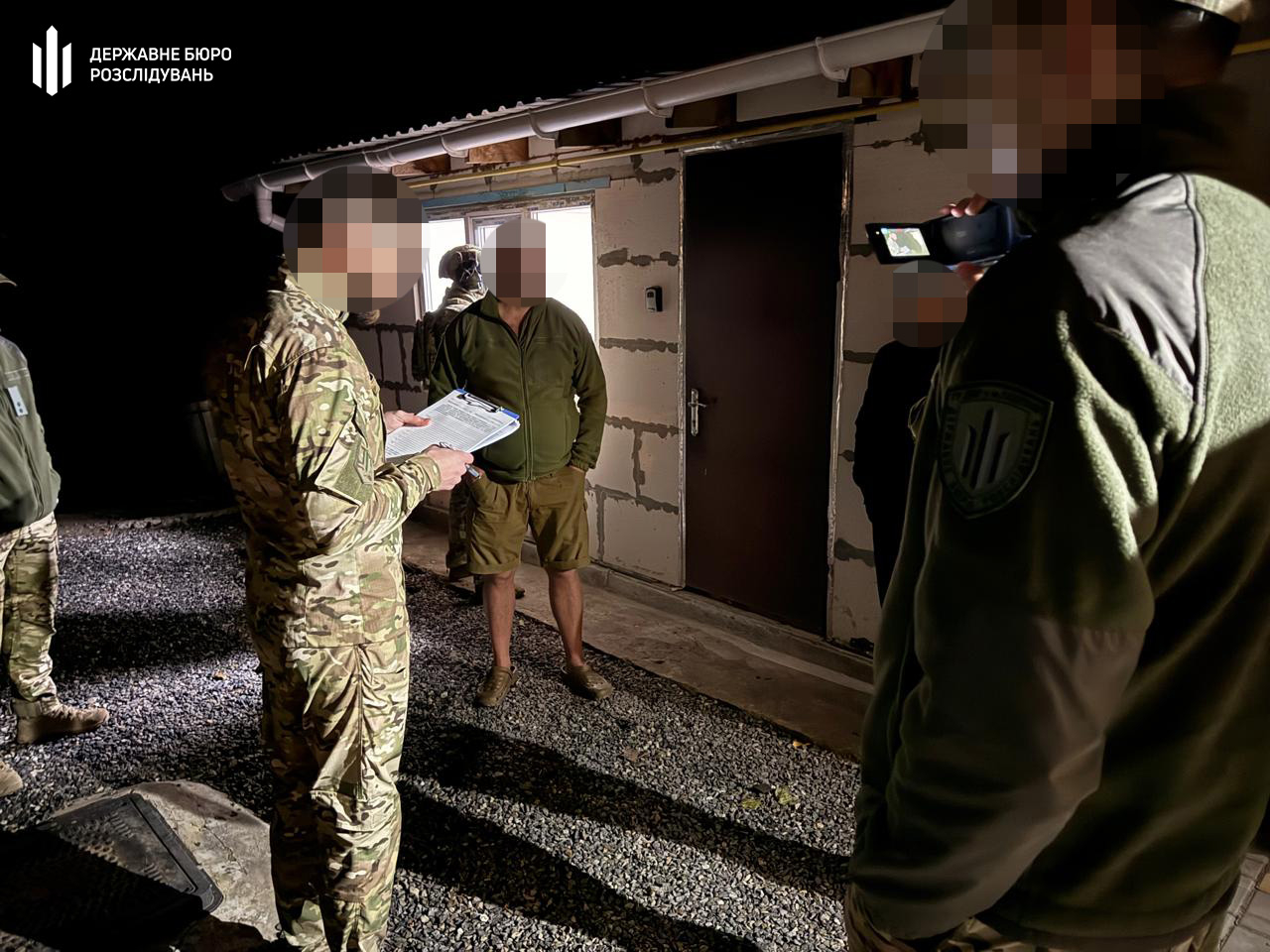
The State Bureau of Investigation (DBR) reported the completion of an investigation into the deputy commander of one of the battalions stationed in the Sumy region. According to the investigation, the officer simulated an execution, beat subordinates, deliberately shot one of them in the foot, and tried to have the wound recorded as "self-inflicted." An indictment has already been sent to court — the suspect faces up to 12 years in prison.
What happened
The incident began after two servicemen recorded a conversation with the officer in which he threatened to execute them if orders were not followed. One of the recordings was posted on social media — after that, according to the DBR, the commander deliberately persecuted his subordinates.
The investigation identified several episodes of violence: the officer lined up soldiers, took his service pistol and fired five times at their feet and over their heads, simulating an execution; struck several fighters with a helmet (one has a torn meniscus and a deformed helmet); ordered a rifle to be brought, shot the phone from which the video was uploaded; and deliberately shot one of the victims in the foot. Another episode concerns the beating of a different deputy commander during a work-related conflict.
"According to the State Bureau of Investigation, the officer simulated an execution, used physical violence, and tried to force subordinates to delete the video and apologize publicly."
— State Bureau of Investigation
Charges and consequences
The officer is charged with torture, violation of statutory rules governing relations between servicemen, and exceeding authority. He is currently in custody, and the materials have been sent to court. The outcome of the trial will show whether control mechanisms work and whether society will feel real accountability within the ranks of the Armed Forces of Ukraine.
Context: are these cases isolated?
This case did not remain isolated in the information space: in October there were reports about exposing a commander who forced subordinates to do work in the Lviv region, and in November — about a lieutenant colonel beating a man liable for military service in the Pre-Carpathian region with serious consequences. Similar incidents undermine trust in the command staff and distract from the main goal — the effective defense of the country.
Analysts and lawyers point out that during wartime, discipline and trust between people must be a priority. Systemic problems in motivation, oversight, and commanders' accountability create opportunities for abuse if institutions do not respond.
What’s next
Cases like this are a test for the system: whether military justice and law enforcement agencies can ensure a transparent investigation and a fair trial. Transparent decisions will strengthen discipline and send a signal to potential abusers: there is no place in the ranks of the army for terrorizing subordinates.
Question to consider
Will these high-profile cases turn into consistent reforms of control and accountability in the army — or remain isolated exceptions? The answer will determine how strong the internal discipline necessary for the defense of the state will be.



