NABU officer detained near Sumy: how a conflict with the SBU threatens the investigation
NABU reports the unwarranted detention of one of its employees at an SBU checkpoint — we explain why the incident matters for anti‑corruption investigations and trust in institutions.

By Tetiana Suchkova-Ladik
March 15, 2026 · 2 min read
Context and main points
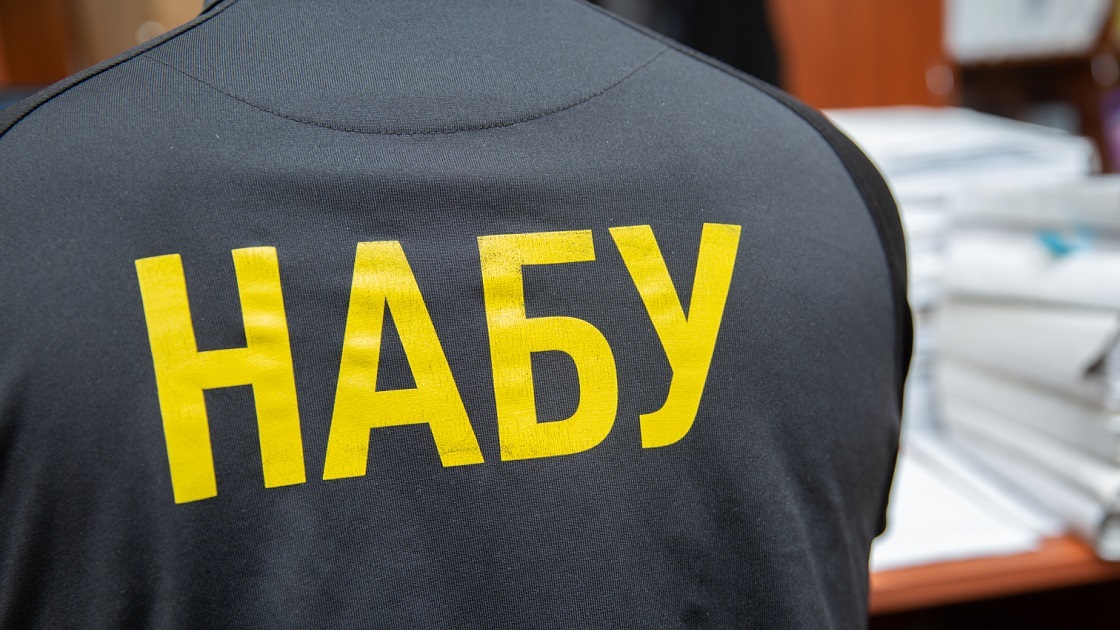
NABU reports that at a checkpoint near the entrance to Sumy an SBU officer detained a bureau employee. According to the agency, this occurred while he was carrying out his official duties as part of an official investigation.
"He [the Bureau employee] was in the city while carrying out his official duties as part of an official investigation."
— NABU, press service
LIGA.net has contacted the SBU for comment and will publish it as soon as it is received.
Versions and possible motives
NABU asserts that those who carried out the detention may belong to "a unit that is under the coordination of the first deputy head" of the security service — a hint at Oleksandr Poklad.
According to NABU, the SBU cited as the reason that the employee's parents live in temporarily occupied territory. At the same time, the agency emphasizes that before the appointment the employee passed all necessary checks, including a polygraph in NABU's Internal Control Department.
Why this matters
This incident has several levels of significance: first, it directly affects NABU's ability to document crimes and conduct investigations; second, it demonstrates potential internal tension between law enforcement institutions; third, it undermines the trust of international partners who fund and support Ukrainian anti‑corruption institutions.
Experts and journalistic investigations (including LIGA.net) have pointed out that in the past conflicts arose between the agencies over high‑profile cases — in particular, references are made to proceedings related to the "Midas" case and instances when possible illegal actions (for example, installing wiretaps) complicated the work of NABU detectives.
"Such actions prevent NABU from documenting a crime and exercising its official duties within the framework of a criminal case."
— NABU, press service
What happens next
NABU reports that it is taking measures to clarify the circumstances of the incident and promises details later. The SBU still needs to provide its comment.
For the public and international partners the key question now is whether there will be a transparent investigation that restores trust in the institutions, or whether this episode will become another point of tension that slows anti‑corruption work during the war.



