Downed 'Shahed' carrying a MANPADS and a camera: a new challenge for aviation and defense tactics
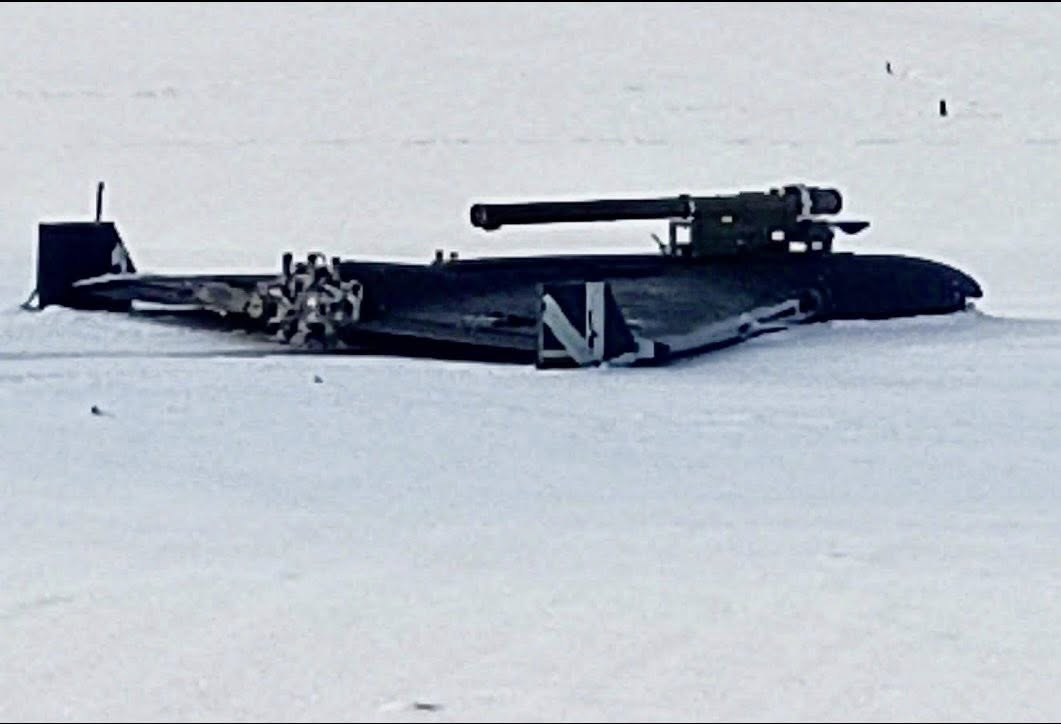
Fighters from Darknode of the 412th Brigade intercepted a Russian drone equipped with a man-portable air-defense system and a camera — it is not just a trophy but a signal of a shift in the enemy’s tactics and a warning about increased risks for our pilots.

By Tetiana Suchkova-Ladik
January 4, 2026 · 2 min read
What happened
Military specialists of the Darknode battalion of the 412th Nemesis Brigade of the Unmanned Systems Forces intercepted a Russian 'Shahed' drone that had been equipped with a man-portable air-defense system (MANPADS), a radio modem and a camera. The drone was shot down — the military stress that it posed a real threat to Ukraine's aviation.
Why it matters
The combination of a MANPADS and a video channel means the launch can be carried out remotely from Russian territory with visual guidance correction. This increases the accuracy of use and gives the enemy the ability to attack targets at very low altitudes with less vulnerability to their own assets.
"Pilots should take the new threat into account and avoid approaching a 'Shahed' head-on"
— Serhiy Beskrestnov (Flash), military and radio-technology specialist
Context and confirmation
This incident correlates with earlier reports: on 28 November 2025 there were reports of attempts by Russia to use 'Shaheds' against fixed-wing aircraft and helicopters, and on 30 December Commander Syrskyi reported on drone upgrades and attacks at very low altitudes. The presence of a radio modem and a camera confirms a trend toward remote and more targeted use of these systems.
What is being done and what needs to be done
A technical examination of the downed device and an analysis of the tactics of its use are currently under way. Given the identified characteristics, the list of priority measures looks like this: strengthening electronic warfare, adjusting air routes and approach procedures, and enhancing reconnaissance and control of low-altitude airspace.
Security implications and forecast
This episode is not an isolated showcase but a component of the adversary's evolving tactics. For aviation, this means increased risk when directly crossing the course of armed drones. For the defense industry — an urgent need for air defence and electronic warfare systems adapted to low-altitude threats.
The ball is now in the court of our technical units and partners: operational conclusions must be turned into tactical changes and material support. Without this, the risks to pilots and aviation technicians will remain elevated.



