Zelensky: No new US air-defence systems, missiles "trickling in" — why this matters for defence
The president says that strengthening air defenses is a priority. Missile deliveries are piecemeal; there are no new American systems. We explain what this means for the front and for international support.

By Tetiana Suchkova-Ladik
January 7, 2026 · 2 min read
What the president said
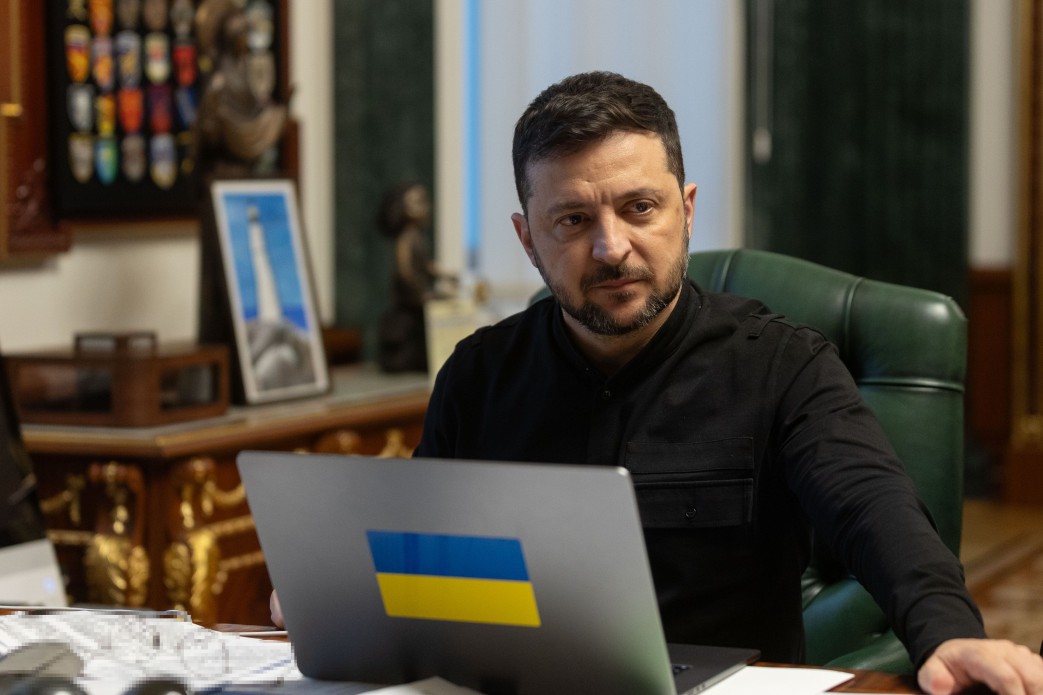
President Volodymyr Zelensky told journalists that Ukraine has not received "new air defense systems" from the United States; instead, missile deliveries are continuing, but slowly.
"Regarding systems from the United States, no new systems have arrived. As for missiles — they're coming bit by bit; we want to speed that up. We really want it and once again ask the United States"
— Volodymyr Zelensky, President of Ukraine
According to him, the issue of air defense was raised during talks in France on January 6 and during the December meeting in Florida — the president cited these facts as context for his request to accelerate deliveries. He also thanked Norway for assistance, the details of which he did not disclose.
Why it matters
Missiles and systems are two sides of the same mechanism. Even if munitions arrive, their effectiveness depends on the availability of appropriate launch platforms, radars and logistics. Partial missile deliveries provide some operational flexibility but do not replace a comprehensive modernization of air defenses.
Defense analysts note that if partners supply only missiles, without new systems or upgrades to existing ones, this creates limits on the ability to hold territory under intense aerial pressure.
What next — policy and practical steps
The president's statement is both a request and a signal: Ukrainian authorities need an acceleration of systemic solutions from allies. For "missile stocks" to serve defense purposes, coordinated steps are required — delivery of kits for specific systems, operator training, logistics and integration into the country's overall air defense.
It is also worth recalling the statement of 20 December 2025, when Zelensky said that partners had begun to "hold back" missiles for air defense systems against the backdrop of an escalation with Russian drones — this confirms the existing tension between operational needs and the political risks that suppliers consider.
Brief conclusion
The situation is technically clear and politically delicate: missiles are arriving, but without new complexes and mature logistics this does not provide a full replacement for the threat. The task for Ukrainian diplomacy now is to turn requests and demonstrations of need into concrete, synchronized deliveries that can be quickly integrated at the front.
The question remains open: will it be possible to speed up the process and provide not only munitions but full complexes that will shift the balance in the air in favor of Ukraine?



