Zelensky Announces Major Rotations in Defense — Syrskyi Remains, Goal Is Readiness
The President announced January rotations of the security sector leadership as a step to boost readiness in case diplomacy stalls. We examine who is in the crosshairs and what this means for the country's security.

By Tetiana Suchkova-Ladik
January 3, 2026 · 2 min read
Why this matters
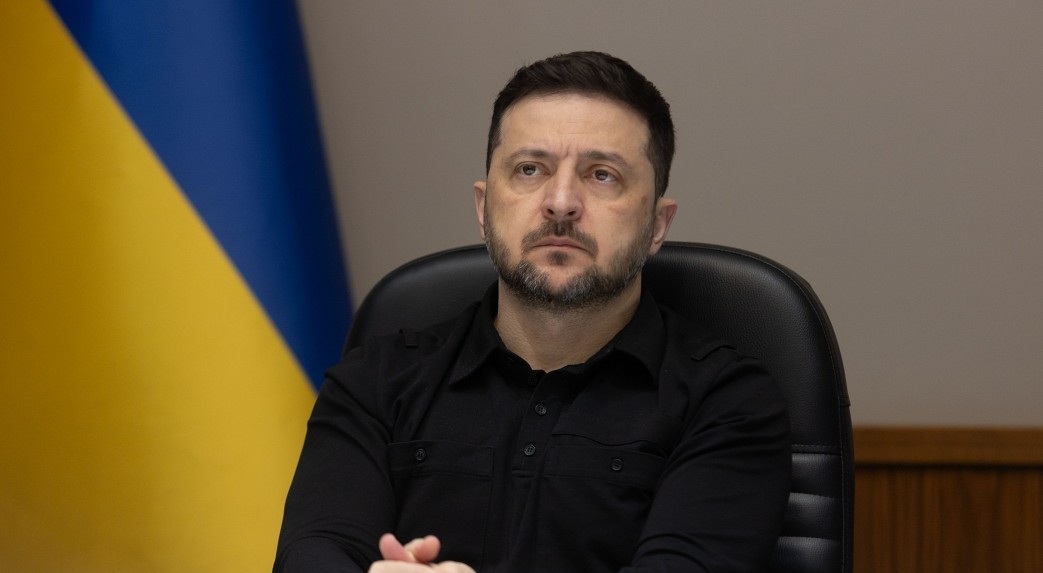
In January President Volodymyr Zelensky announced “large-scale rotations of all leaders in the security and defense sphere.” This is not a declaration of panic — it is readiness logistics: to check the chains of command, refresh personnel, and preserve the ability to respond quickly if the diplomatic course encounters a blockade from Russia.
"Our country has two paths. The peaceful diplomatic path is number one for me personally. We want to end the war… We are very close to the result, but at some point, if Russia blocks all of this, if our partners do not force Russia to stop the war, there will be another path — to defend ourselves"
— Volodymyr Zelensky, President of Ukraine
Position on key figures
The head of state emphasized that the rotations will affect all levels of security and defense, but immediately clarified: Commander-in-Chief Oleksandr Syrskyi remains in office. This sends a signal of pragmatism — to change the system while preserving stability in the army's leadership.
"I respect everyone. I will carry out the rotations I have decided to make"
— Volodymyr Zelensky, President of Ukraine
The president also commented on rumors regarding the head of the SBU, Vasyl Malyuk, and stressed that decisions will be made within the framework of the overall rotation strategy.
Political and practical consequences
Rotations are both a political signal and a practical step. First, it's a demonstration to partners: Ukraine is strengthening internal readiness and not relying solely on diplomacy. Second, it is the preparation of resources and human reserves — Zelensky explicitly said that "fresh forces" will be needed to continue the fight.
In sum, personnel changes may affect the pace of decision-making, supply logistics, and interaction with partners. Analysts note that such rotations often serve to test management and strengthen commanders' accountability.
Briefly on accompanying personnel moves
- The president previously said he expects support from the Verkhovna Rada for the candidacy of Denys Shmyhal for the post of Deputy Prime Minister — Minister of Energy.
- On January 2, Zelensky proposed Andrii Fedorov for the post of Minister of Defense.
What next?
Rotations are a logical element of the two-path strategy: diplomacy and defense. Now the key question is how these personnel changes will be translated into concrete decisions and whether they will strengthen operational resilience. The ball is now in the parliament's and security sector leadership's court: will the announcements turn into real personnel reshuffles and operational results?



