Zelensky submits dismissal of SBU head to parliament — what it means for security and investigations
The President has submitted to the Verkhovna Rada a proposal to dismiss Lieutenant General Vasyl Malyuk. It is a move that shifts the balance in the leadership of the security service against the backdrop of a high-profile anti-corruption investigation and personnel reshuffles in the Cabinet.

By Tetiana Suchkova-Ladik
January 9, 2026 · 2 min read
Briefly
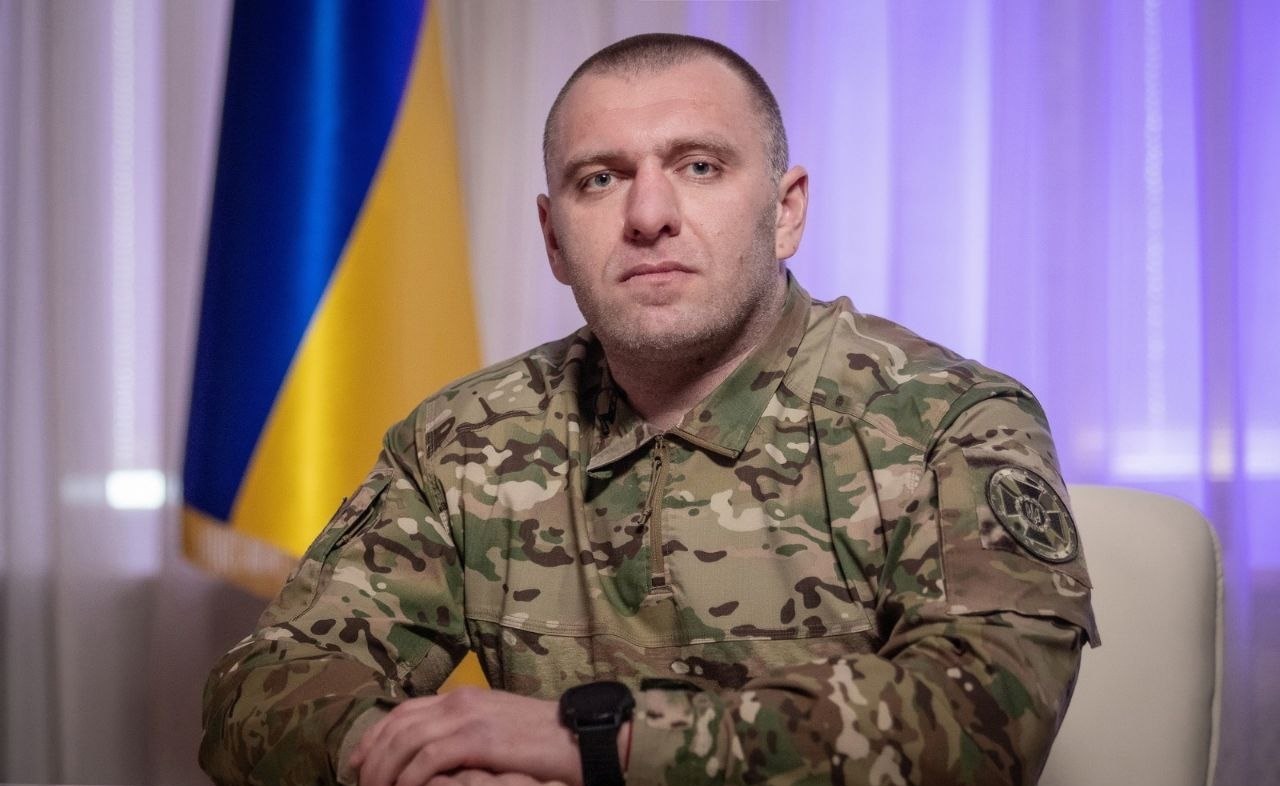
President Volodymyr Zelenskyy has officially submitted to the Verkhovna Rada a document on the dismissal of Lieutenant General Vasyl Malyuk from the position of head of the Security Service of Ukraine. This was reported by the parliament speaker Ruslan Stefanchuk, who added that the Rada will consider the submission in the near future in accordance with procedure.
“The Rada will consider the president’s submission in the near future in accordance with the established procedure.”
— Ruslan Stefanchuk, Speaker of the Verkhovna Rada
Why it matters
A personnel change at the head of the SBU is not just a personal matter. It is a question of national security, trust in the security services, and the state’s ability to simultaneously conduct the front and fight corruption. According to LIGA.net, two interlocutors link Malyuk’s resignation to publicity surrounding a large corruption case in the energy sector (in the media it is being called “Mindichgate”). If true, the departure of the head of the security service comes amid heightened attention to investigations that have a direct impact on the country’s energy resilience.
Procedure and actual steps
Under the Constitution, the appointment and dismissal of the head of the SBU is carried out by the Verkhovna Rada upon the President’s submission. At the same time, the president has already appointed Yevhen Khmara, head of the “Alpha” Special Operations Center, as acting head of the SBU. Lawyers consulted by LIGA.net noted that for this the president signed a separate decree that somewhat altered the procedure for appointing an acting leader — the details lawyers point to will matter in the event of legal challenges.
Personnel context in the Cabinet
This move comes alongside a number of other reshuffles: on January 9 the Rada received resignation letters from Minister of Defense Shmyhal and the First Vice Prime Minister — Minister of Digital Transformation Fedorov. Taken together, these reshuffles may indicate an attempt to redistribute managerial responsibility between ministries amid increased attention to energy and defense.
What’s next and what the public should expect
Parliament must formally consider the submission; further developments will depend on the parliamentary majority and the positions of factions. For the public, the key questions are: will there be a transparent investigation into energy corruption schemes, will the SBU’s operational capability be preserved during the leadership change, and to what extent will personnel decisions help protect critical infrastructure.
Analysts note that replacing the head of a security service during a major war is always a risk: on one hand, it is an opportunity to renew approaches and strengthen anti-corruption mechanisms; on the other, a risk of temporary loss of managerial coordination. Now the ball is in parliament’s court: deputies’ decision will determine whether declarations about reform turn into concrete actions.



