Zelensky Held Interviews With Five Heads of Regional Military Administrations — What It Means for the Regions
The President held "thorough" interviews with candidates for the heads of regional military administrations on January 4. Why personnel decisions in Kyiv are important not only for the administrations but also for the security and resilience of communities — we break it down point by point.

By Tetiana Suchkova-Ladik
January 4, 2026 · 2 min read
What is known
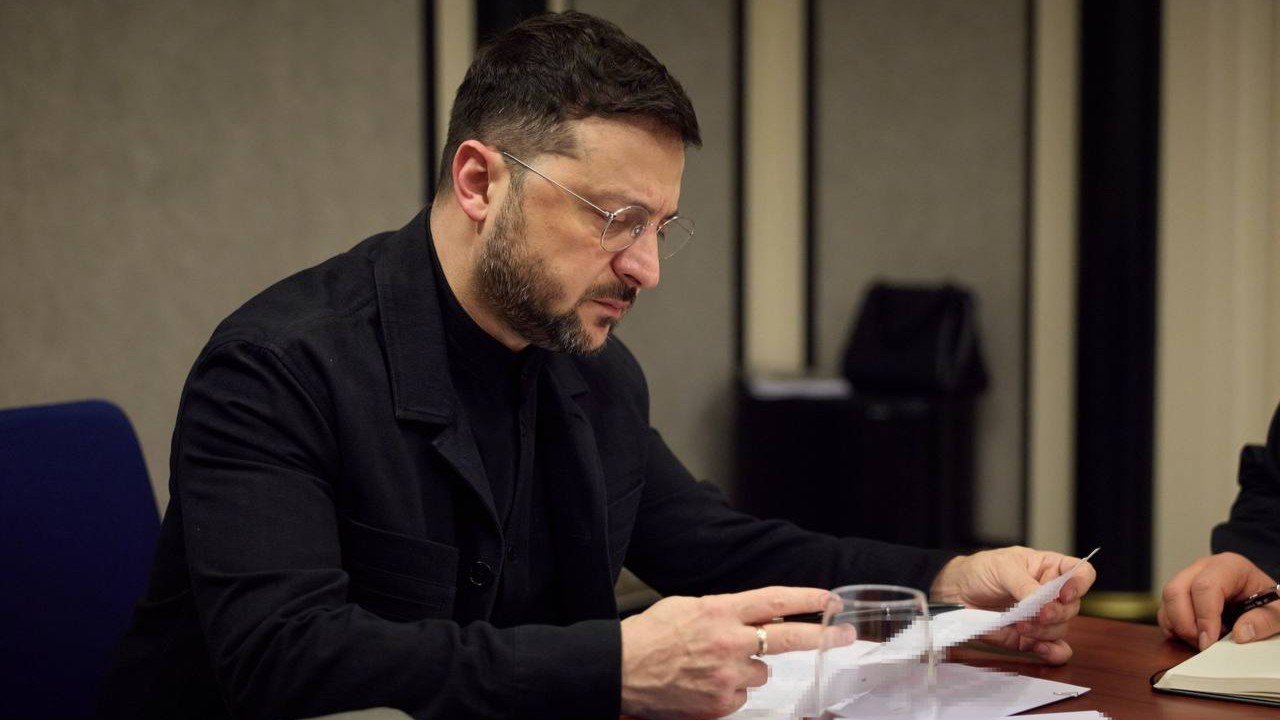
On January 4, President Volodymyr Zelensky held interviews with candidates for the posts of heads of regional military administrations in five regions: Vinnytsia, Dnipropetrovsk, Poltava, Ternopil and Chernivtsi regions. According to the Office of the President, he called the discussions substantive and thanked both those ready to take on responsibility and the officials who had served previously.
"Appointments will be made in the near future: Vinnytsia, Dnipropetrovsk, Poltava, Ternopil and Chernivtsi regions"
— Volodymyr Zelensky, President of Ukraine, January 4
The president said he would announce the names of the new leaders after the formal procedures for preparing the appointments are completed. The main goal is to strengthen local self-government, community resilience and the regions’ ability to protect lives and assist those in need.
Personnel context the same day
In addition to the interviews on the RMAs, several related changes took place in the security system and administrative management on the same days: on January 2 the president and the minister discussed the State Border Guard Service (SBGS) and ordered a search for candidates to replace Serhiy Deineko; on January 4 he was appointed an advisor to the head of the Ministry of Internal Affairs (MIA). That same day the president offered the head of the Main Intelligence Directorate (GUR), Kyrylo Budanov, the position of head of the Office of the President — and he agreed. In Budanov’s place, military intelligence will be temporarily led by Oleh Ivashchenko, head of the Foreign Intelligence Service. Also on January 4 the head of the SBGS was dismissed and a temporary head appointed.
Why it matters
Appointments at the level of regional military administrations are not just a rotation of posts: they are an instrument that affects the speed of response to threats, the coordination of humanitarian and defense components, and communities’ capacity to recover after strikes. Appointing strong managers locally increases the resilience of the system as a whole, which directly impacts people’s safety and partner confidence.
Experts note that the simultaneous reshuffles in the Office of the President and in intelligence structures indicate an effort to ensure operational interaction between the center and the regions — and that personnel decisions are being made with new security challenges in mind.
Brief outlook
Official appointments should be expected in the coming weeks. They will show how much priority the authorities place on local resilience and how quickly the new heads of the RMAs will be able to establish interaction with the military, civil protection services and international partners. For now, the key task is to turn stated intentions into concrete decisions on the ground: resources, logistics, and — most importantly — real assistance to communities.
"I thank everyone who is ready to take responsibility for the situation in the region and to serve the state and the people"
— Volodymyr Zelensky, President of Ukraine, January 4



