Zelensky suggests possible U.S.–Russia agreement on Ukraine not joining NATO
The president did not rule out the existence of agreements between the United States and Russia to keep Ukraine out of the Alliance, described the U.S. position as consistent and expressed the expectation that, over time, details of the negotiations may emerge; he also touched on the issue of the EU.
By Oleg Bazylewicz
December 11, 2025 · 2 min read
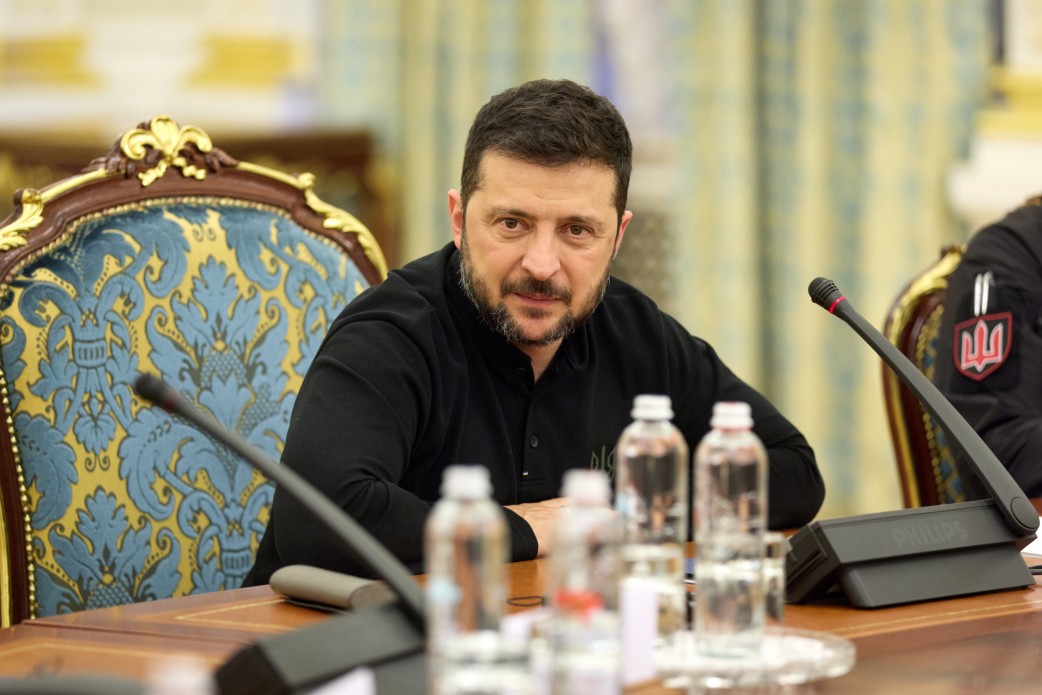
President Volodymyr Zelensky does not rule out that there may have been agreements between the United States and Russia that Ukraine would not join NATO. He expressed this view while speaking with journalists.
US position on NATO
The head of state confirmed that the US has openly not sought to see Ukraine in the Alliance. According to him, Ukraine was not previously given an invitation nor provided with specifics on this issue — and Washington's position remains consistent.
On possible agreements
Zelensky noted that he does not consider it likely that there are serious obstacles to US negotiations with Russia on the NATO issue, but he called for caution because of unknown details of any agreements.
"So I don't think they have difficulties negotiating with the Russians on the NATO issue. But you have to be careful here. What separate agreements do the US have with Russia? We don't know. We will probably find out. In time all secrets are revealed"
– Volodymyr Zelensky
He said he is only familiar with the documents under consideration and understands the US stance on the matter.
"And I even understand their attitude toward others — those who joined NATO in one wave or another of NATO expansion. All of this is very complicated and concerns not only Ukraine. As for us, America's position has repeatedly been open and remains so"
– Volodymyr Zelensky
Chances of joining the EU
Regarding membership in the European Union, the president expressed confidence that the US can take steps that would unblock Ukraine's movement toward the EU. He also believes that US President Donald Trump has certain levers of influence that could affect those who are currently blocking the process.
- On December 1 it was reported that a possible scenario was being considered under which Ukraine could effectively be deprived of the right to join NATO without legally recognizing that decision through a separate agreement between the US and Russia.
- On December 2 Dutch Prime Minister Mark Rutte acknowledged the absence of consensus in the Alliance regarding Ukraine's membership; at the same time, the decisions of the anniversary summit in Washington in 2024 remain in force.



