Zelensky in Davos: meeting with Trump and a chance for concrete agreements
After Donald Trump's public statement, the president flew to the World Economic Forum — now the key task for Ukraine and its partners is to turn meetings into signed decisions.

By Tetiana Suchkova-Ladik
January 22, 2026 · 2 min read
Great diplomacy in Davos
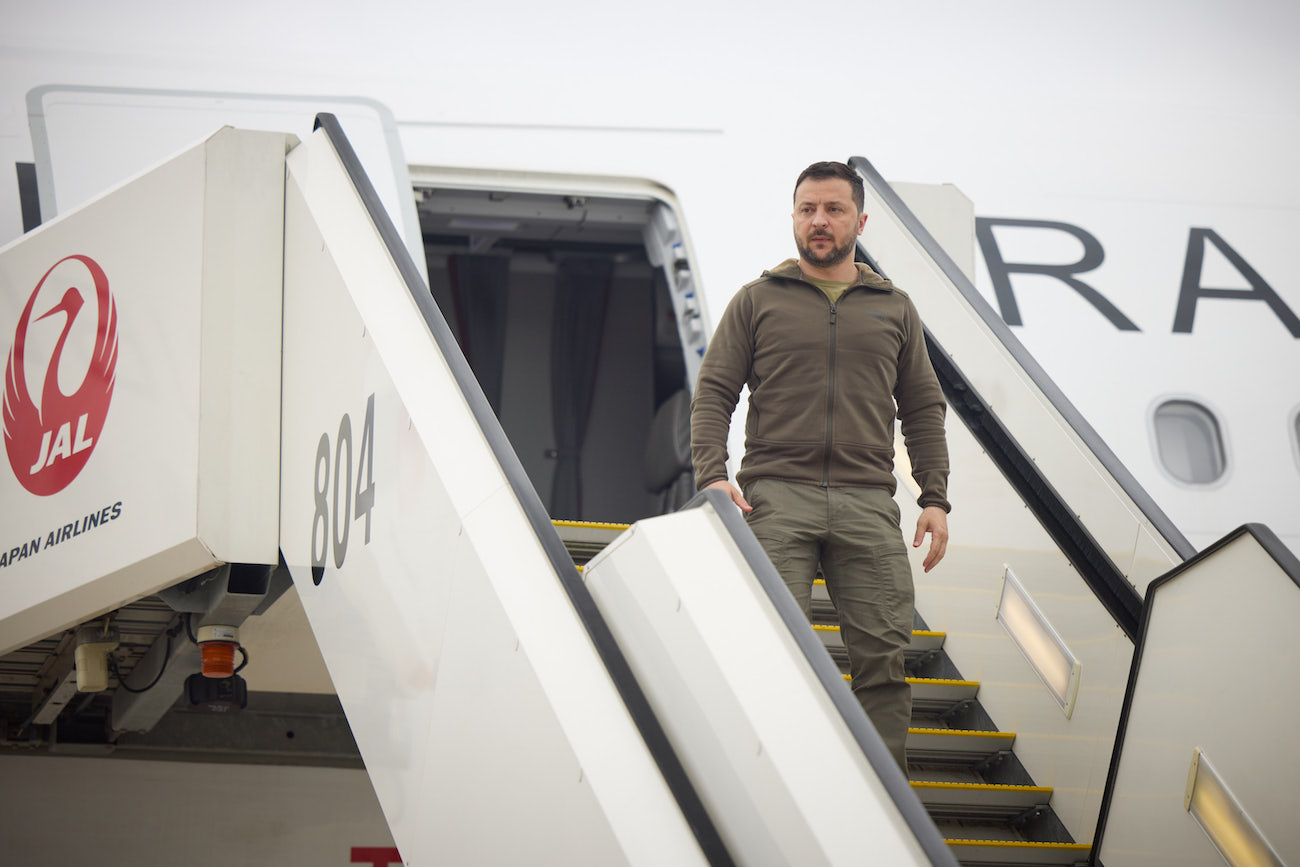
President Volodymyr Zelensky flew to Switzerland on January 22 to take part in the World Economic Forum and for a planned meeting with the President of the United States. This is not a simple visit to the forum — it is an attempt to maintain the pace of negotiations and solidify agreements previously reached by official delegations.
"The president is en route to Davos"
— Dmytro Lytvyn, presidential adviser for communications
Confirmation of facts
The departure of the Ukrainian president’s plane was recorded by monitoring services, including FlightAware: the flight departed on January 22 from the Polish Jasionka airport bound for Switzerland. Official confirmation of the arrival was provided by the president’s press secretary.
"Zelensky has already arrived in Switzerland to participate in the World Economic Forum and for a meeting with President Trump"
— Serhiy Nikiforov, press secretary of the President of Ukraine
What preceded it: a public request and a diplomatic platform
The day before, on January 21, Donald Trump publicly said on a panel in Davos that he would like to meet with the president of Ukraine and even suggested that Zelensky might be in the audience. Trump also expressed an opinion about the possibility of a peace deal involving Russia — wording that requires verification and context given Kyiv’s position and that of its partners.
"I would like to meet with Zelensky"
— Donald Trump, President of the United States (speech at WEF, January 21)
Program details and negotiation format
The meeting is expected at approximately 14:00 Kyiv time, and Zelensky’s address is scheduled for 15:30. In addition to the bilateral conversation with the U.S. president, the head of state will take part in a panel session of the International Advisory Council for Ukraine's Recovery, where he will meet representatives of energy companies and potential investors.
Before the trip, Ukrainian and American sides agreed to continue negotiations in Davos (agreement of January 18). The president himself previously warned that he would attend the forum only if concrete agreements were in place (statement of January 20).
It is also worth noting that on January 22 U.S. special envoys Vitkoff and Kushner plan to travel to Moscow — simultaneous diplomatic moves in different capitals create space for coordination or, conversely, for parallel negotiations with different objectives.
Why this matters for Ukraine
Face-to-face negotiations at the presidential level can speed decision-making on issues vital to security, energy and reconstruction. For Ukraine, this is a chance to turn political signals into concrete guarantees, financing and investment.
Analysts emphasize: public statements at forums create momentum, but the real value lies in turning declarations into signed contracts and clear roadmaps.
What to watch next
The key question is whether this meeting will develop into concrete agreements that strengthen Ukraine’s security and economic resilience. For now we have confirmed facts: the visit took place, the meeting is planned, and negotiation tracks have been activated. Now it is up to the partners and precise legal formulas.
Whether the public momentum from Davos can be converted into signed decisions depends on the promptness and will of the parties involved.



