Zelensky: Germany to launch Ukrainian drone production line in February — 10 export centers in Europe
The President announced the launch of drone production in Germany as early as mid‑February and the creation of a network of 10 European export centers — what this means for Ukraine’s security and economy.

By Oleg Bazylewicz
February 8, 2026 · 2 min read
What was announced
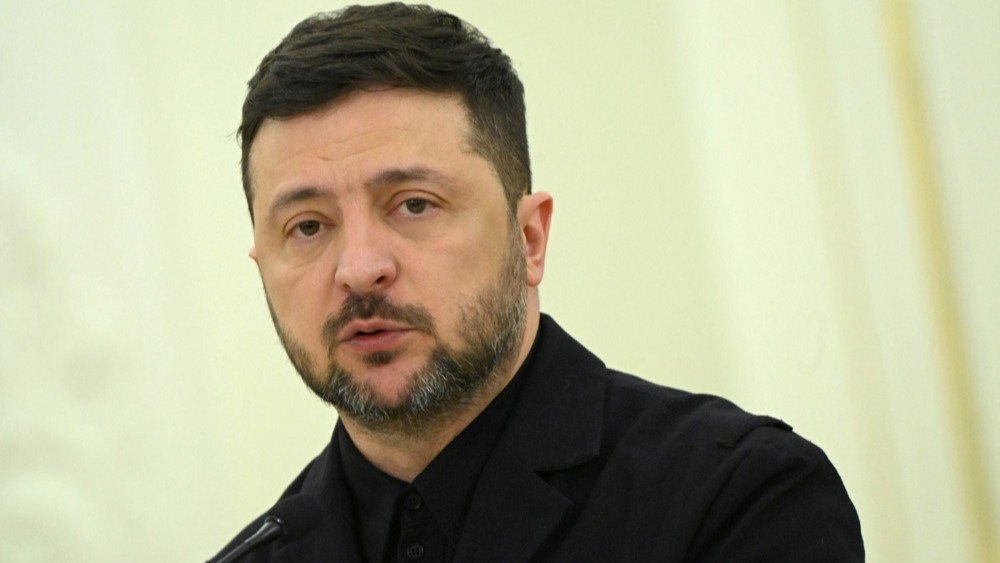
During a speech at the National University "Kyiv Aviation Institute," President Volodymyr Zelensky said that as early as mid-February a production line for Ukrainian drones is expected to start operating in Germany. In total, 10 export centers are planned to be opened across Europe — including in Germany, the Baltic countries and northern Europe.
According to him, production lines in the United Kingdom are already operating, and the president plans to personally receive the first drone from the German line.
"In mid-February we will already see production of our drones in Germany. I will receive the first drone. This is a line that is working. In Britain, production lines are working. These are all our Ukrainian technologies"
— Volodymyr Zelensky, President of Ukraine
Why this matters for Ukraine
The key goal is to supply Ukrainian units with modern drones that meet the needs of the front. At the same time the president emphasized that after covering the Ministry of Defense's needs, any surplus can be exported, which will provide additional revenues for the development of the defense industry.
Defense industry experts and analysts note that production in the EU has two important advantages: reduced logistical risks and faster access to partner markets, as well as better guarantees regarding certification and quality control.
Separately, Zelensky noted that future European defense systems — for example, the so-called "drone walls" — can largely be based on Ukrainian technologies and specialists, which strengthens Ukraine's role as a supplier of knowledge and solutions, not just material.
Risks and challenges
Opening production abroad and exporting weapons are accompanied by operational and political risks: export restrictions, legal procedures, issues of intellectual property protection and end-user control. Also, not all companies are ready to immediately enter new markets — this is affected both by the business climate and concerns about security risks.
To minimize risks, clear agreements with partners, control mechanisms, and investments in scaling up production without loss of quality are needed.
What’s next
The announcement is the first step. The next critically important elements are: signed international contracts, guarantees of investors' rights, and state support in certification and logistics. If partners back their declarations with real orders, it will be an important signal of trust in Ukrainian technologies and a source of funding for the defense sector.
Whether European contracts will turn these plans into a sustainable industrial network — the scale of Ukraine's impact on the continent's security and its economic recovery will depend on that.



