Zelensky: Ukraine will join the Peace Council only after the war ends — what this means
In Davos, the president said he did not know the format of the Peace Council until the moment of signing. This is not just a label — the decision has practical and security implications for Kyiv.
By Oleg Bazylewicz
January 22, 2026 · 2 min read
Briefly
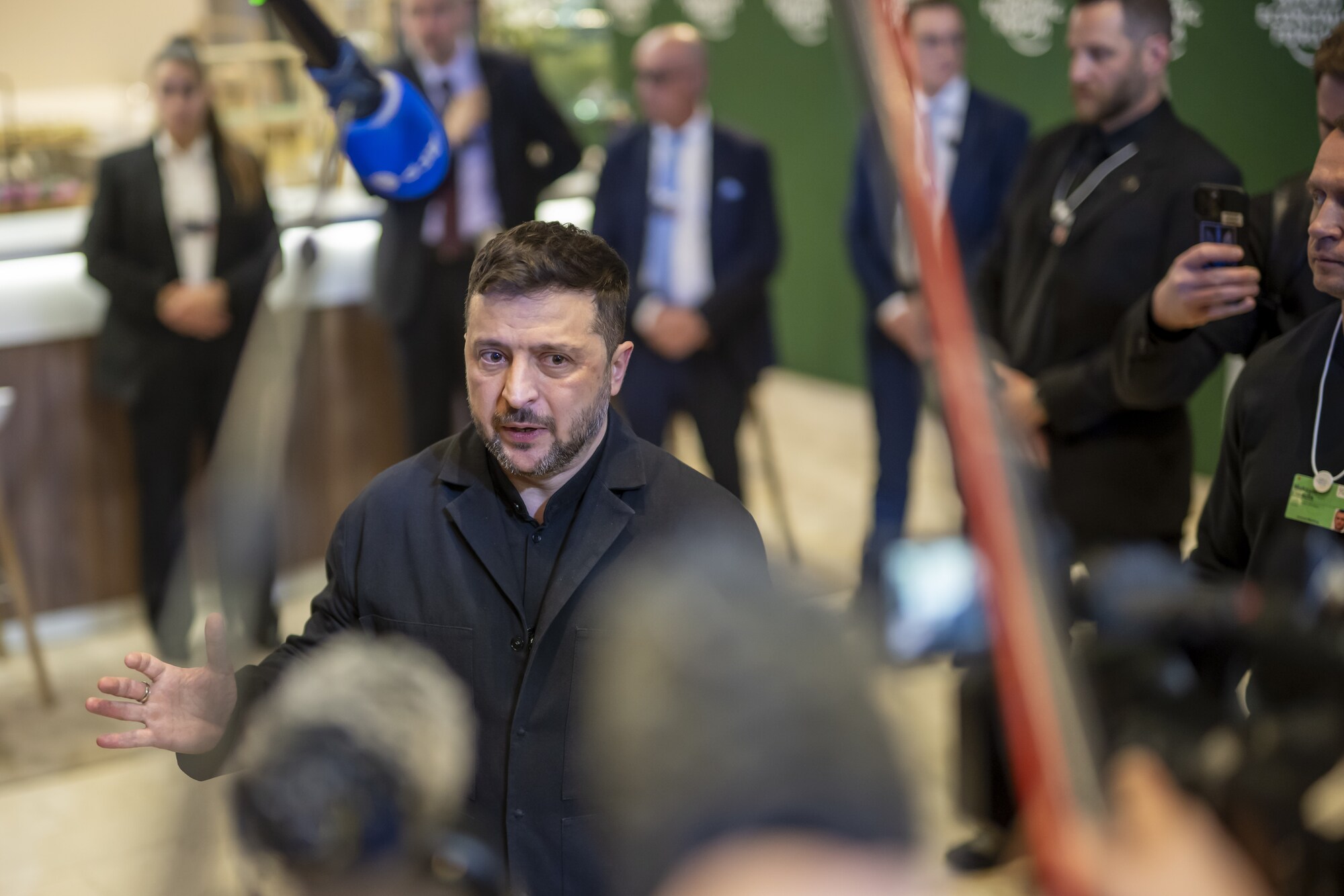
In Davos President Volodymyr Zelenskyy confirmed: Ukraine will join the so‑called Peace Council, created by the US administration, only after the war ends. According to him, the council's format and the very fact of the signing were news to him, and participation in a joint monitoring structure with Russia during active hostilities is unacceptable.
What the president said
"But I said that it is clear to us: we will be in this council when the war ends. Right now we are enemies with the Russians. Belarus is an ally of Russia, and we cannot be in the same format with them."
— Volodymyr Zelenskyy, President of Ukraine
"I'll be honest with you: when we talked about the 20‑point plan... the American side suggested that they need partners who, together with the US, would carry out monitoring"
— Volodymyr Zelenskyy, President of Ukraine
Why this matters
The decision to participate in a multinational monitoring structure is not just a diplomatic gesture. It is a matter of legitimacy, security, and information management. Ukraine argues that monitoring a ceasefire involving parties that are at war or share interests with the aggressor risks removing control from Ukrainian responsibility and giving Russia propaganda advantages.
Context and key facts
Zelenskyy's clarification is important against the backdrop of several reports in recent days:
- 18 January 2026 — it was reported that the US administration had said it wanted to secure at least $1 billion from countries seeking a permanent seat on the Peace Council.
- 19 January 2026 — it became known that French President Emmanuel Macron does not plan to join the initiative.
- 22 January 2026 — a ceremony to create the Peace Council took place in Davos, to which about five dozen leaders, including Ukraine, were invited.
Analysis: risks and opportunities
Ukraine's position has a rational basis. First, effective monitoring requires the consent of the parties and security guarantees — elements that do not exist today. Second, participation in joint formats that include states close to the Kremlin could create a situation where decisions and findings are instrumentalized against Ukraine.
At the same time, the Peace Council initiative gives partners the opportunity to formalize new diplomatic channels and to calculate political costs and benefits. Kyiv's position sets a clear condition: first — peace and control over the border, then participation in monitoring mechanisms.
What next?
Now it's up to the partners: declarations must turn into clear guarantees and procedures that take Ukraine's security interests into account. So far Zelenskyy has prioritized front‑line realities over diplomatic symbols — a signal of Kyiv's pragmatic approach to the conditions for returning to multilateral formats.
Question for partners: are they ready to embed into the mechanism such legal and technological guarantees that Ukraine's participation would be safe and meaningful, not decorative?



