Zelensky Proposes Budanov to Head the Presidential Office — A Bet on Security and Negotiations
The transfer of the head of Ukraine's Main Intelligence Directorate (GUR) into an externally focused administrative role could speed up coordination between defense and diplomatic strategies. We examine what this means for national security and which risks should be considered.

By Tetiana Suchkova-Ladik
January 2, 2026 · 2 min read
What was announced
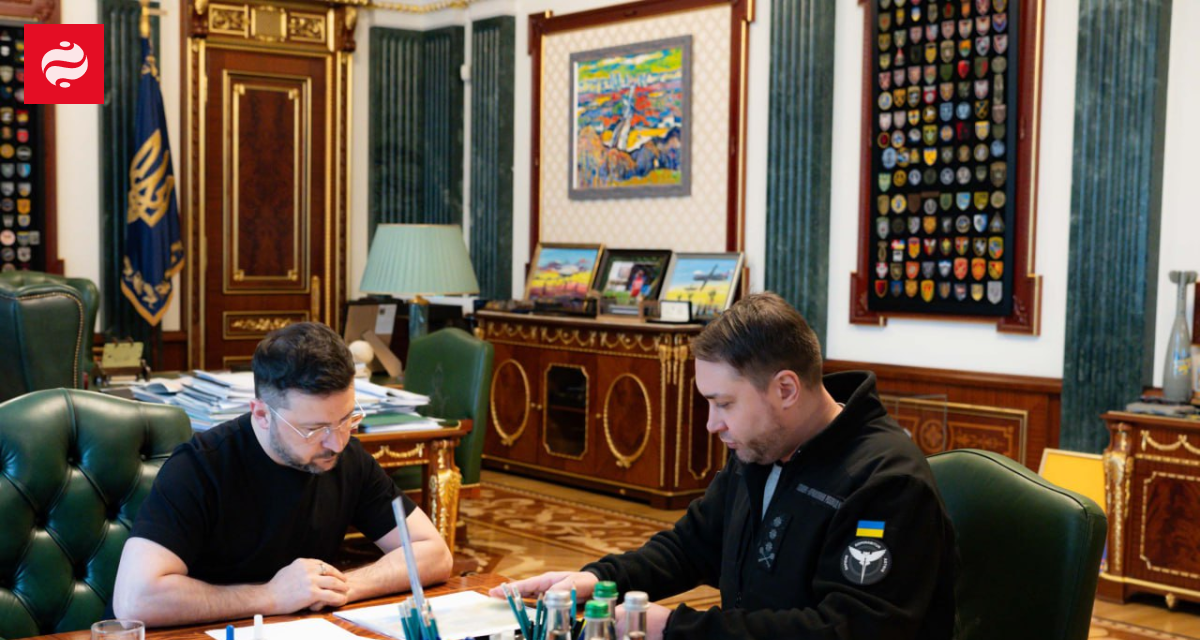
On January 2, President Volodymyr Zelensky announced that he had proposed that the head of the Main Directorate of Intelligence, Kyrylo Budanov, lead the Office of the President. According to the president, the main motive is the need to focus on security issues, the development of the Armed Forces, and strengthening the diplomatic track.
"Kyrylo has special experience in these areas and sufficient strength to achieve results. I also instructed the new head of the Office of the President, in cooperation with the Secretary of the NSDC of Ukraine and other necessary leaders and institutions, to update and present for approval the strategic foundations of the defense and development of our state and the next steps"
— Volodymyr Zelensky, President of Ukraine
Why it matters
The decision reads as a bet on closer integration of the intelligence, military and diplomatic dimensions of state management. In practical terms, this means faster transfer of analysis into decisions, stricter coordination of supplies and — potentially — more measured preparation of negotiating positions.
Experts and analysts are already noting that such a move could strengthen the Office's operational ability to shift priorities in the face of combat challenges. At the same time, it raises questions about the balance between civilian governance and security institutions within the apparatus of power.
Possible consequences and risks
Positive effect: speeding up decision-making on defense issues, better integration of external intelligence and diplomatic work, a clearer roadmap for the development of the Armed Forces of Ukraine — this is explicitly mentioned in the president's directive.
Risks: concentration of competencies in the hands of one person may require additional transparency and oversight mechanisms to avoid institutional conflicts and excessive personalization of strategic decisions.
What next
Zelensky instructed the new head to work in cooperation with the Secretary of the NSDC and other institutions and to present for approval the updated strategic foundations of defense and development. The next step is to see the concrete documents and timelines for their implementation; without this, the statements risk remaining declarations.
Questions for public oversight and partners: will the new personnel decisions accelerate real changes at the front and in diplomacy, and what guarantees of transparency will be ensured?



