Zelensky offered Trump 30–50-year guarantees — what it means for Ukraine's security
The President asked to replace the 15-year formula with a longer term during a closed-door meeting with Donald Trump. If Washington backs the idea, it could change the mechanics of Ukraine's long-term security.

By Tetiana Suchkova-Ladik
December 29, 2025 · 1 min read
In the Room Where Security Is Decided
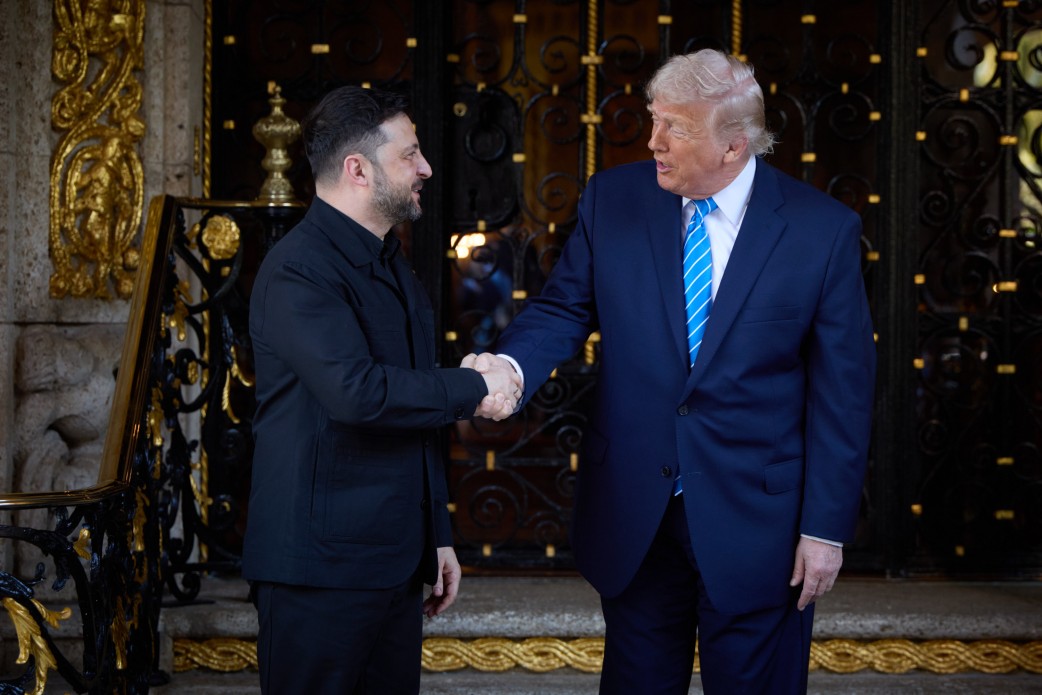
In high diplomacy, loud statements matter less than quiet agreements. During a closed meeting on December 28 that lasted more than two hours, Volodymyr Zelensky offered Donald Trump security guarantees for Ukraine for a period of 30–50 years instead of the current 15, with an option to extend. According to the president, Trump "will think" — no concrete decisions were announced after the talks.
What was discussed
According to the Office of the President, the documents currently provide for 15 years of guarantees with an option to extend. Zelensky emphasized that the Russian‑Ukrainian war has been going on for almost 15 years, so a longer term — 30, 40 or 50 years — is needed to create a real system of deterrence and stability.
"I told him that we already have a war — and it has been going on for almost 15 years. And therefore I would very much like the guarantees to be longer. I told him that we would very much like to consider the possibility of 30‑40‑50 years. And then it would be a historic decision by President Trump. The President said he would think."
— Volodymyr Zelensky, President of Ukraine
Why 30–50 Years Matter
Longer guarantees are not just symbolic. They can serve as a long-term deterrent tool, increase investor confidence, and change an opponent's military‑political calculations. For Ukraine, it's about security at the level of generations, not a temporary solution.
What's next
After the meeting, the parties held phone talks with European leaders and spoke to the media; the diplomatic process will continue. The initiative requires turning political will into legal mechanisms — and that is a matter for Washington, Congress and allies.
Whether partners are ready to turn declarations into long-term commitments is the key question for the coming months.



