Zelensky announced sanctions against Russians who "put sport at the service of war": what it means
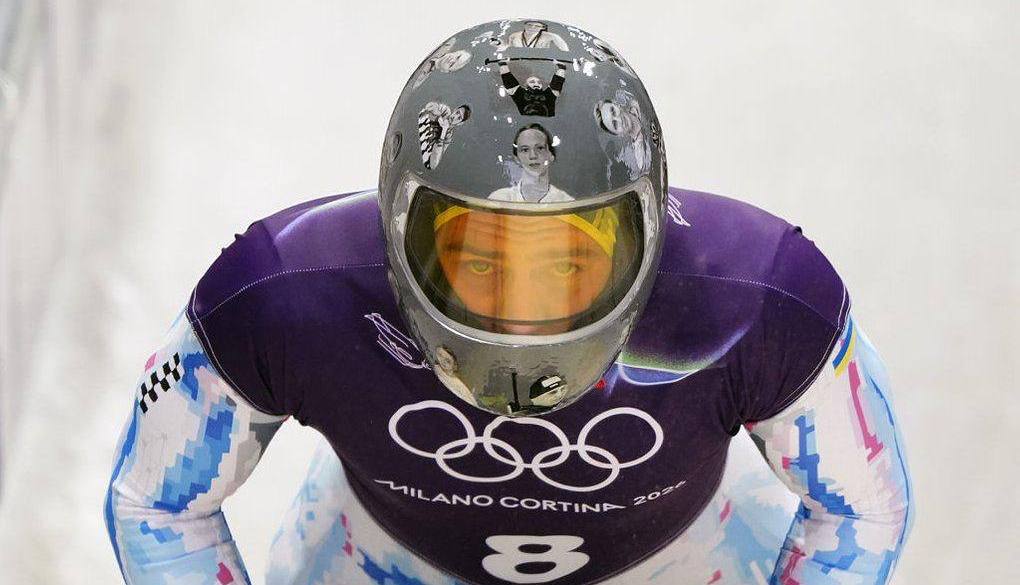
The decision is a reaction to the IOC's refusal to allow Heraskevych's "helmet of remembrance." It's not only a symbolic step: Kyiv seeks to turn sporting incidents into a diplomatic signal against the legalization of aggression.

By Tetiana Suchkova-Ladik
February 15, 2026 · 2 min read
Kyiv's position
President Volodymyr Zelensky announced the preparation of a new sanctions package against Russian individuals, whom he called those who "work for the war and put sport at the service of the war." According to the head of state, the documents are already prepared — this is intended as a signal to the international community that support for aggression in the name of "sporting neutrality" should no longer be ignored.
"We are preparing a new sanctions package against Russian individuals who work for the war and put sport at the service of the war. The documents have already been prepared"
— Volodymyr Zelensky, President of Ukraine
Why this matters
This is not only a reaction to a single sporting incident. If it is confirmed that the sanctions will target figures who make sport an instrument of propaganda, Ukraine is trying to change the rules of the game: from symbolic sanctions to personal accountability for using international platforms to legitimize aggression. Such a decision is crucial for security and reputation — it creates a precedent and gives partners a diplomatic argument to pressure organizations that allow political manipulation in sport.
Timeline of key events
9 February: Vladyslav Heraskevych reported that an IOC representative banned a helmet bearing portraits of those killed as a result of Russian aggression.
10 February: The IOC ruled that the athlete may not use his "helmet of remembrance," but allowed a black armband.
12 February: Heraskevych was disqualified before his first skeleton run; the athlete voiced disagreement with the decision.
13 February: The Court of Arbitration for Sport (CAS) dismissed Heraskevych's appeal against the IOC.
Possible consequences
If the sanctions decree is signed, it will have several effects: first, additional personal pressure on those circles that use sport to politically discredit Ukraine; second, a signal to European and American partners that the question of "neutrality" in sport can spill over into the realm of sanctions policy; third, it will be an incentive for NOCs and international federations to review their own regulations regarding symbols and political messages.
Brief conclusion
This decision is not a protest against sport as such, but an attempt to restore the balance between international rules and basic norms of justice. The next step is to watch the reaction of international organizations and partners: whether Kyiv's legal argument will be supported, or whether this will remain solely a political gesture.



