Zelensky: For Trump, the greatest political gain is to end the war before the midterm elections
In an interview with The Atlantic, the president tied Trump’s reputation to the outcome of a peace deal. We explain why this matters for Ukraine and how U.S. elections shape the logic of diplomacy.

By Tetiana Suchkova-Ladik
February 12, 2026 · 2 min read
Briefly
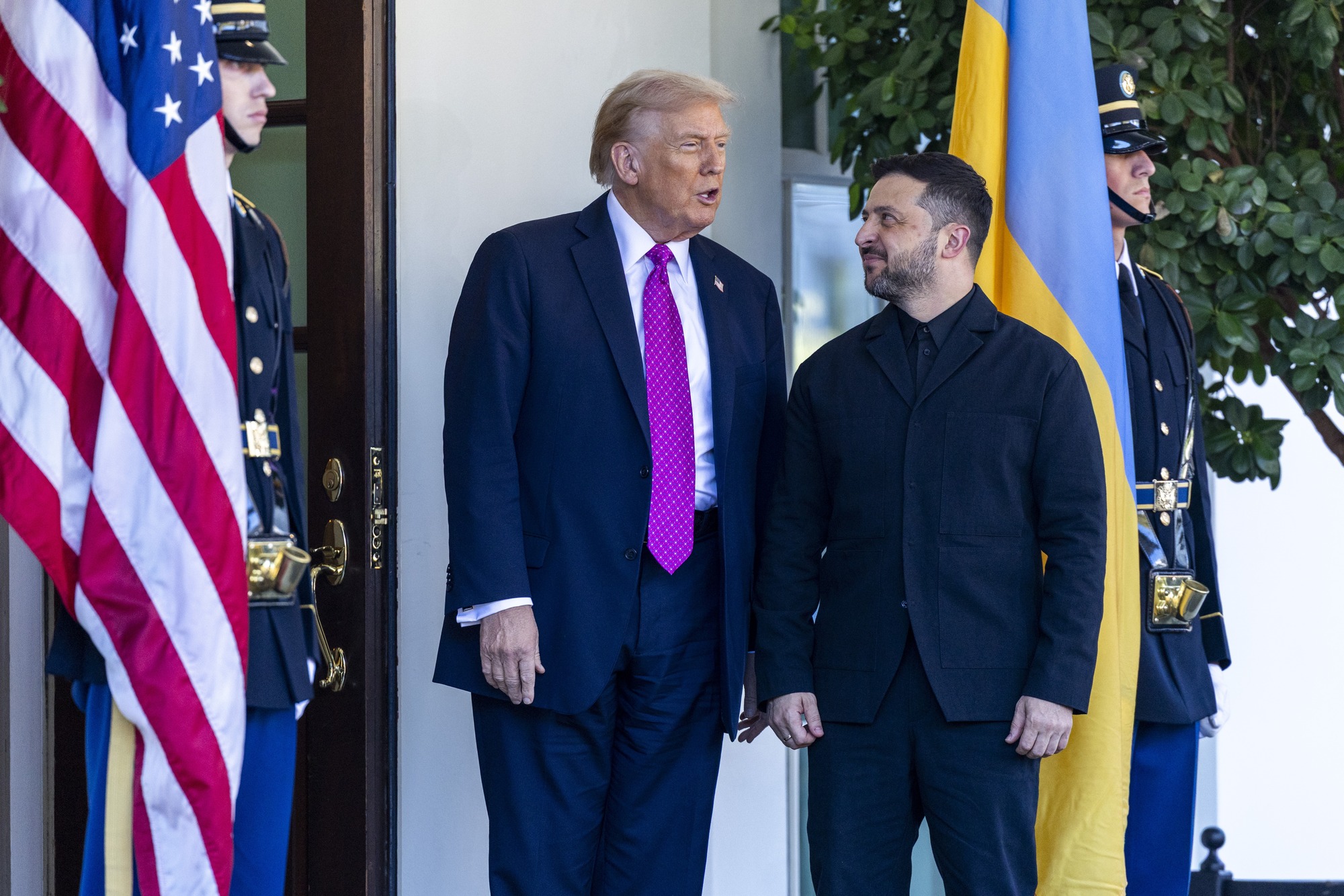
In an interview with the American magazine The Atlantic, President Volodymyr Zelensky said that ending Russia’s war against Ukraine could be Donald Trump’s most important political victory — in particular if it happens before the U.S. midterm elections in November 2026. This assessment underscores that American domestic politics directly influence diplomatic priorities.
What Zelensky said
"I think there is no greater victory for Trump than stopping the war between Russia and Ukraine. For his legacy this is a top priority."
— Volodymyr Zelensky, President of Ukraine
"The most advantageous scenario for Trump is to achieve this [reach peace] before the midterm elections. Yes, he wants fewer casualties. But if we speak as adults, it’s simply a victory for him, a political victory."
— Volodymyr Zelensky, President of Ukraine
Context and why it matters
Midterm elections in the United States take place every two years; the next are in November 2026. At present the Republican Party formally holds majorities in both the House of Representatives and the Senate. That is why any initiative by the U.S. president that can be presented as "peacemaking" — even if it requires difficult compromises — will have obvious political value.
What this means for Ukraine
Zelensky’s statement is not a call for unilateral concessions but a diagnosis of reality: international diplomacy often moves in step with the domestic politics of major players. For Ukraine this brings both opportunity and risk. Opportunity — to mobilize international arguments and guarantees, turning U.S. interests into concrete security mechanisms. Risk — that a "rush to peace" for political reasons may fail to account for Ukraine’s strategic defense needs.
Analysis
Experts, including analysts from U.S. publications and political scientists, note that when domestic electoral cycles coincide with foreign-policy challenges, decisions are often made under time pressure. Therefore, for Ukraine it is important not only to secure high international attention but also to insist on clear legal and financial guarantees that will withstand the test of time.
Conclusion
Zelensky articulated the same logic diplomats feel: peace could become a political "victory" for an American leader. The question is whether those political incentives will translate into safe and durable arrangements for Ukraine — and whether Kyiv can ensure that its own security is central to any negotiations.



