Zelensky has "a very bad feeling": how the escalation in Iran is delaying peace and affecting Ukraine
BBC interview: the president warns of the risk of a split among Western leaders and links the postponement of peace talks to rising tensions in the Middle East. Why this matters for security and supplies — briefly and practically.

By Tetiana Suchkova-Ladik
March 18, 2026 · 2 min read
What Zelenskyy said
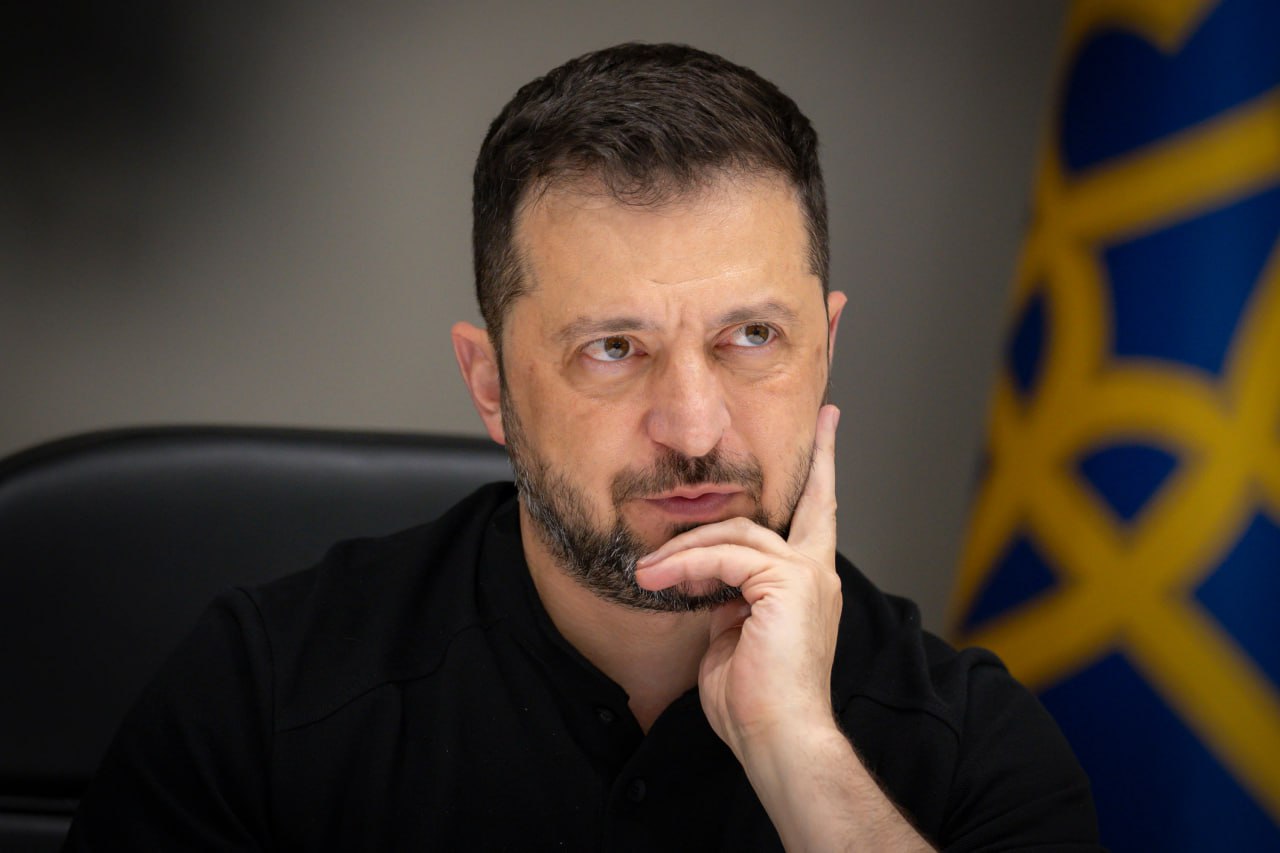
In an interview with the BBC, President Volodymyr Zelenskyy acknowledged that he has "a very bad feeling" about the escalation in the Middle East and called for direct dialogue between leading Western leaders. He links the repeated postponement of negotiations to end the Russia‑Ukraine war to the consequences of the conflict in Iran.
"I have a very bad feeling about the impact of the war in Iran on Ukraine"
— Volodymyr Zelenskyy, President of Ukraine
"I would very much like President Trump to meet with Starmer… so they would have a common position"
— Volodymyr Zelenskyy, President of Ukraine
Why this matters for every Ukrainian
This is not just diplomatic phrasing. Postponed negotiations and potential regional instability directly affect three everyday concerns: weapons supplies, energy prices, and the political unity of partners. Analysts at LIGA.net warned that the consequences of the escalation could be deeper than they appear — from more expensive fuel to delays in deliveries of critical defense components.
Western reaction: tension instead of consolidation
Against the backdrop of disputes over participation in patrolling the Strait of Hormuz, British Prime Minister Keir Starmer refused to send warships, saying instead that Britain will not be drawn into a wider war. Donald Trump responded by criticizing him, expressing frustration and highlighting the risks for NATO if allies do not act together. Such rhetoric shows — instead of unity we risk political disagreements that will be reflected in support for Ukraine.
"Britain will not be drawn into a wider war"
— Keir Starmer, Prime Minister of the United Kingdom
"[Allies] if they don't help open the Strait of Hormuz — NATO will face a very bad future"
— Donald Trump, former President of the United States
Which scenarios to watch
Experts highlight several realistic scenarios that directly affect Ukraine:
- Delays in weapons deliveries due to the reorientation of military resources and logistical routes.
- Rising oil prices, which increase budgetary pressure and make fuel more expensive for critical infrastructure.
- Diplomatic fragmentation among Western partners, which will complicate decision‑making on sanctions and aid.
- New opportunities for the defense industry: if theaters of operations expand, demand for Western and regional weapons systems may grow, creating a chance for Ukrainian industry.
What’s next — a practical forecast
Having established the link between events in the Middle East and the delay of the peace process, Ukraine needs to act on two fronts: strengthen internal resilience (logistics, energy, reserves) and ramp up diplomatic efforts to preserve partner unity. Diplomacy must become not only a declaration but a tool for concrete agreements — deliveries, financing, security guarantees.
Summary: while attention is focused on the escalation in the region, it is important to monitor not only news about military incidents but also signals of shifts in allies' political positions — these will determine whether Ukraine can turn a difficult international conjuncture into an opportunity to accelerate its own security and defense stabilization.



