Zelensky: Moscow offered the US an exchange of intelligence — what it means for Ukraine's security
In an interview with Reuters, the president said Russia offered not to pass intelligence to Iran in exchange for halting intelligence transfers to Ukraine. We explain why this is not merely rhetorical escalation but a matter of security and trust among partners.

By Tetiana Suchkova-Ladik
March 25, 2026 · 2 min read
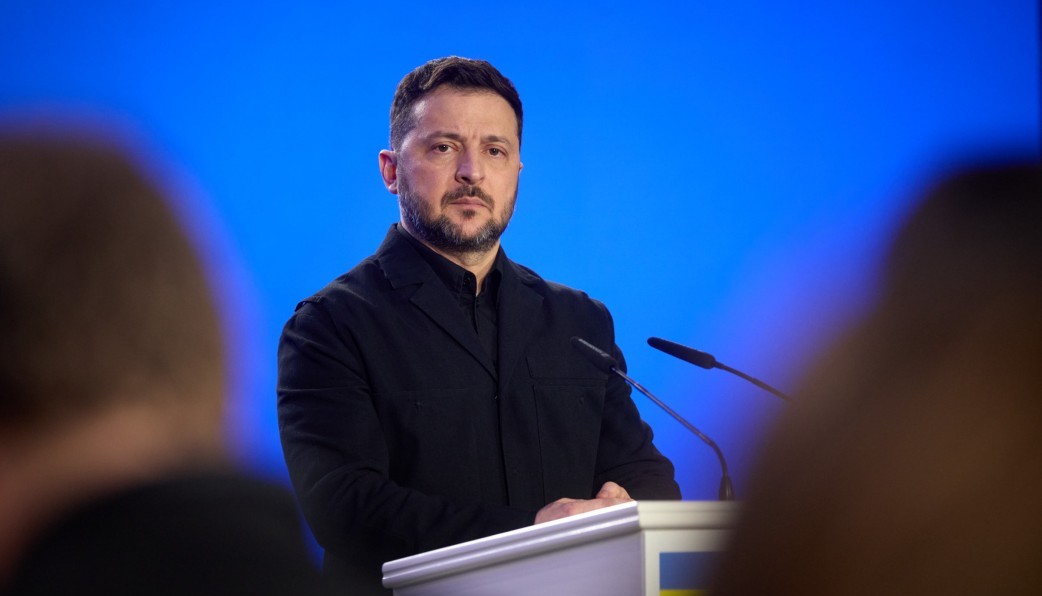
In high diplomacy, it’s not loud statements that matter, but quiet agreements
In an interview with Reuters, Volodymyr Zelensky said that Moscow had attempted to blackmail Washington: allegedly offering not to pass intelligence to Iran if the U.S. stopped sharing it with Ukraine. This is a clear signal of how information flows are being turned into a tool of pressure in great geopolitics.
What exactly the president said
According to Zelensky, Ukrainian military intelligence has evidence that Russia continues to pass data to Tehran; he has personally reviewed the materials but did not disclose details. The president also said that some Iranian "Shahed" drones that attack camps and facilities of allies in the region contain Russian components.
"I have reports from our intelligence services that show Russia is doing this and says: 'I will not provide intelligence to Iran if America stops providing intelligence to Ukraine.' Isn't that blackmail? Absolutely"
— Volodymyr Zelensky, President of Ukraine
Why it matters
First, it changes the framework of information exchange: intelligence becomes not only a source of knowledge but also a lever of influence between states. Second, if Russia is indeed sharing technical data or components with Iran, that strengthens Tehran's ability to strike American and partner positions in the region. Third, any attempts to put intelligence sharing "on the bargaining table" undermine the trust that is critically important for coalition support for Ukraine.
Consequences for Ukraine and its partners
Kiev is already positioning itself as a security donor for the Gulf countries: according to Zelensky, Ukraine is helping Saudi Arabia, the UAE and Qatar counter drones and expects long-term deals to finance the production of interceptors. LIGA.net and other outlets note growing demand for Ukrainian developments in the region.
At the same time, Ukraine has deployed interceptors and teams of specialists to protect American bases in Jordan, and has received requests for help with drones from several countries. This creates a new line of cooperation: the security of the Persian Gulf and the security of Ukraine are increasingly intersecting.
What’s next
The key question is whether partners will transform verbal statements and intelligence signals into secure channels of exchange and real military-technical assistance. It has become clear to Ukraine: information is a resource, and stable access to it directly affects its ability to defend itself.
Question for partners: will they agree to compromises in intelligence for short-term geopolitical gains, or will they strengthen the mechanisms of trust that provide real support for Ukraine on the front?



