Zelensky: negotiations are needed, but pressure must be on Russia — what this means for sanctions and the front
In an interview with Politico, the president rejected Russia's demand to withdraw its troops from the Donbas and urged that sanctions against Moscow not be eased. We analyze why this is crucial for Ukraine's security and energy stability.

By Tetiana Suchkova-Ladik
March 12, 2026 · 2 min read
President's position — in brief
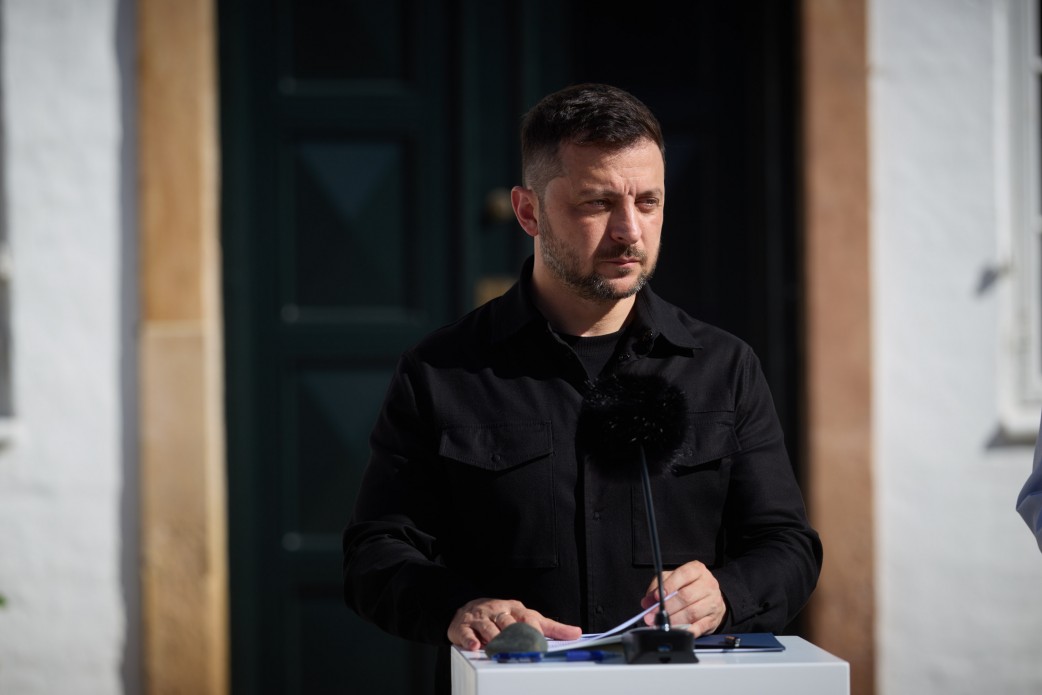
In an interview with Politico, Volodymyr Zelensky reiterated that he supports negotiations but insisted that international pressure should be directed at Russia, not Kyiv. This is not rhetoric but an attempt to clearly reorient the diplomatic debate: exchanges of statements should turn into pressure on the aggressor that forces it to change its behavior.
"So, of course, we need negotiations, we support them <…> This is not about trusting Putin, we do not trust Russia, but I think, and I believe, that the Americans really want to end this war. I hope they will help us, but we need greater pressure on Russia, not on me"
— Volodymyr Zelensky, President of Ukraine (interview with Politico)
Why troop withdrawal is a threat
Zelensky rejected Russia's demand for the withdrawal of Ukrainian troops from the Donbas. According to him, this would create strong defensive positions for the adversary and boost its morale — in other words, shift the balance of power in Russia's favor. The argument follows simple logic: territorial concessions amid an unresolved conflict often mean strategic losses in the future.
Sanctions and energy: a double impact
The president also expressed concern about a possible weakening of sanctions against Russia, a subject of discussion among Western partners. This issue touches directly on Ukraine's security: sanctions are the main tool for deterring the aggressor, and their easing could reduce the leverage for diplomatic pressure.
At the same time, the energy situation has intensified: LIGA.net explained why fuel prices rose and under what conditions a shortage is possible. Rising energy costs hit household budgets and the logistics of supplying the front — so decisions on sanctions and energy exemptions must be considered with the real risks to Ukraine in mind.
Negotiations calendar
The trilateral talks between Ukraine, the US and Russia, scheduled for early March, were postponed due to operations and regional tensions related to incidents involving Iran. According to Zelensky, the next round could take place roughly between March 16 and 22 — potential locations: Switzerland or Turkey.
What's next — brief analysis
Effective talks will require two things: first, a clear position from partners regarding sanctions — without this Russia will have fewer incentives to make concessions; second, maintaining Ukraine's defensive posture so that diplomatic steps do not turn into tactical losses on the battlefield. Experts agree that it is precisely the combination of diplomatic pressure and defensive resilience that offers the best chance to change the aggressor's behavior.
Now it's up to the partners: will they have enough political will, and will statements turn into concrete instruments of pressure that protect Ukraine's interests — from security on the front to stability in the energy market?



