Zelensky Proposes Mobilizing MPs: What It Will Mean for Voting and International Aid
The President did not rule out legislative changes that would allow members of parliament to be sent to the front, arguing that full-fledged elections cannot be held during wartime and that there is an urgent need to pass laws to financially support the country.

By Tetiana Suchkova-Ladik
March 15, 2026 · 3 min read
Briefly
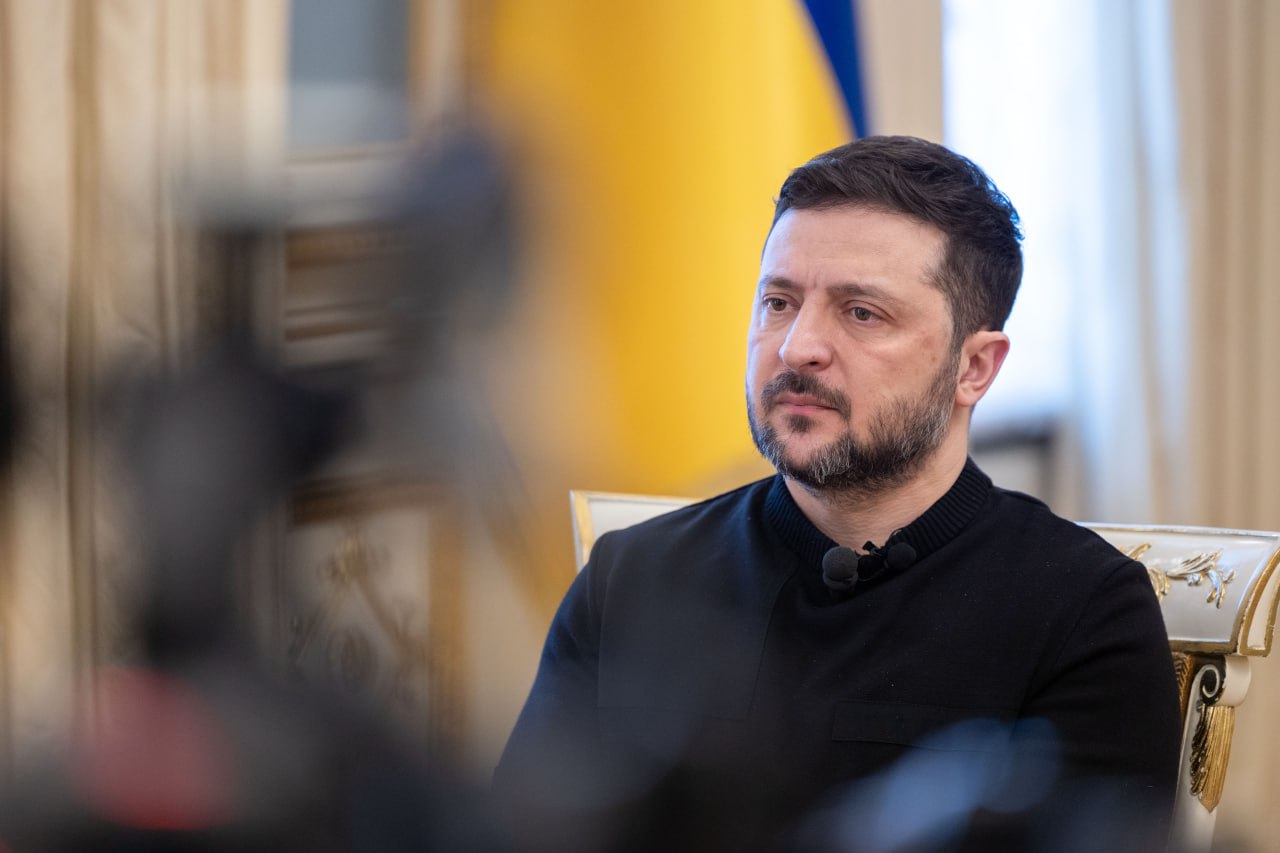
During a meeting with journalists, Volodymyr Zelensky did not rule out an initiative to mobilize deputies who relinquish their mandate or refuse to work in parliament during martial law. Source — a reporter from LIGA.net.
What the president said
According to Zelensky, in the first days of the full-scale invasion and thereafter there were MPs who expressed a desire to give up their mandate. The president framed the choice as follows: either perform representative duties in parliament, or serve the state at the front. As a third option he named changing the law and holding elections — but at the same time he stressed that elections are impossible during wartime.
“And so MPs will have to either serve in parliament in accordance with Ukrainian law, or I am ready to discuss with parliamentary representatives a law on changes to mobilization so that deputies could go to the front. If you do not serve the state in parliament, then serve the state at the front.”
— Volodymyr Zelensky, President of Ukraine
Why it matters: money, laws, security
The reader’s main interest here is not rhetoric but consequences. Parliament is currently passing laws that determine tranches from international partners and the process of European integration: from fiscal conditions for the IMF to unblocking financial packages. Zelensky directly linked the problem to the fact that, due to a lack of votes, compromises must be sought even for technical bills.
To confirm the scale of the problem: on 14 March 2026 MP Yurchenko said that 50–60 deputies want to relinquish their mandates. Earlier the head of the Specialized Anti-Corruption Prosecutor’s Office, Klimenko, noted that about one in ten MPs is under suspicion by NABU. These figures add extra pressure on quorum and the quality of voting.
What legal options are on the table
There are effectively three options the President’s Office is talking about: 1) the parliamentary chamber operates as usual and MPs perform their functions; 2) adoption of changes to the law that would allow the mobilization of deputies who refuse to work; 3) holding elections — but only after the end of martial law. Each path has legal and political consequences: mobilization would require procedural changes, elections carry risks of dispersion and logistical challenges during an armed conflict.
Positions and risks
The president called for dialogue with the leadership of the ruling majority to “gather strength and make a decision.” In practice this means political negotiations about duties and rotation, but also potential legal regulation that could become the subject of constitutional debate.
What this means for the country
In short: the question is not only about personnel in the chamber, but about the state’s ability to timely adopt decisions on which financial stability and defense capability depend. If parliament cannot perform its functions, partners will demand guarantees that key laws are being passed — and this strengthens the logic for administrative or legislative measures regarding MPs’ participation in the defense of the state.
Conclusion
The presidential idea is a signal: the problem of parliament’s functioning has moved into the realm of national security and international trust. The ball is now in the court of parliamentarians and legal experts: will they find mechanisms that preserve the institution’s legitimacy and secure the necessary votes for decisions on which financial aid and the country’s defense depend?



