Zelensky offers maritime drones to the U.S. as part of a 'drone deal' — why this matters for Ukraine's security and economy
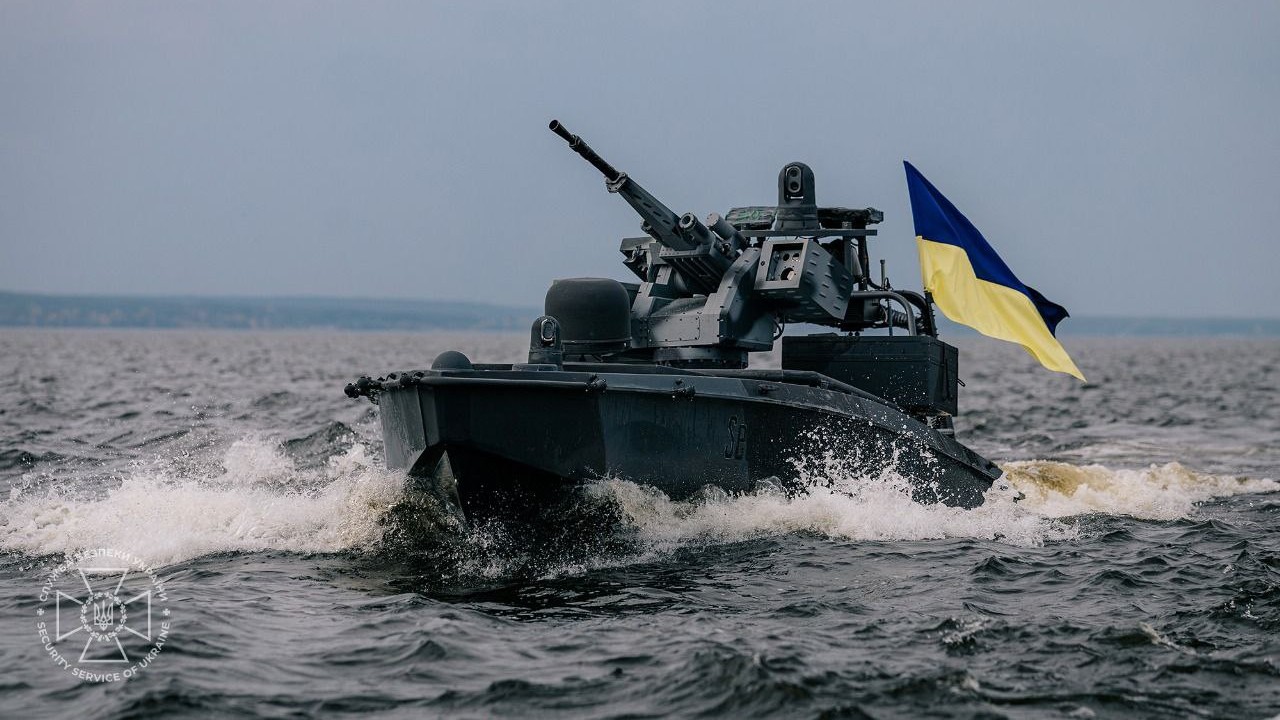
Ukraine is offering the Americans not only interceptors but also maritime drones proven in combat — the deal could strengthen our security guarantees and open up export opportunities amid the crisis in the Strait of Hormuz.

By Tetiana Suchkova-Ladik
March 20, 2026 · 3 min read
What happened
President Volodymyr Zelensky confirmed that as part of a possible "drone deal" with the United States, Ukraine is offering maritime drones, alongside other systems and a package of knowledge exchange and training. Talks between the delegations are scheduled for March 21 in the U.S. — this comes against the backdrop of heightened security tensions in the Strait of Hormuz.
"As for the U.S., you know that we proposed a drone deal a year ago. Why? Because they are our priority partner. There are not only interceptor drones there, but primarily maritime drones, our long-range drones that have already been battle-tested by the war."
— Volodymyr Zelensky, President of Ukraine
What this means for Ukraine
First, it is a practical response to new risks to shipping: in the event of an escalation in the Strait of Hormuz, control of the sea and reconnaissance capabilities become a direct element of energy and economic security. Second, Ukrainian maritime drones have a proven record of use in the conflict in the Black Sea — an argument in negotiations over technological cooperation and training.
In addition, the agreement envisions not only the supply of equipment but also a package of knowledge exchange and personnel training — a force multiplier for the defense industry and an additional export line to help economic recovery.
Context: Hormuz and Ukraine's experience
A blockade of the Strait of Hormuz affects global flows of oil and LNG — about 20% of global supplies pass through this strait. As LIGA.net explained, this has already influenced fuel prices and has a potential effect on the domestic energy market.
"For Ukraine, Iran's attempts to block freedom of navigation in the Strait of Hormuz feel painfully familiar"
— Andriy Sybiha, Minister of Foreign Affairs of Ukraine
Sybiha directly compared the situation to Russia's actions in 2022 in the Black Sea and emphasized: Ukraine has unique experience and technological solutions in this field, including the use of maritime drones to restore freedom of navigation.
Social proof: tests during exercises
According to the German FAZ, during NATO exercises in 2025 the Multinational Naval Task Force led by Ukraine, acting as the "opponent," exposed allied forces' vulnerability to maritime drones and simulated striking at least one frigate. This episode sent a signal to analysts: Ukrainian developments have real combat relevance.
LIGA.net experts add that such experience increases Ukraine's negotiating weight in partnership with the U.S. — both from a security perspective and in terms of industrial cooperation.
"So, when President Trump is ready — I will certainly be ready. I think our negotiating team will discuss this issue as well"
— Volodymyr Zelensky, President of Ukraine
Possible consequences
If the U.S. agrees to include Ukrainian maritime drones in the deal, it would strengthen partners' operational capabilities in maritime security while opening access for Ukraine to training programs and co-production opportunities. For the economy, this would mean not only jobs in the defense sector but also reduced risks to the energy supply chain.
But the decision depends on the political will of the American administration and the positions of allies — it is currently the subject of diplomatic negotiations, where Kyiv needs to turn its advantages into concrete guarantees.
Conclusion
Ukraine's proposal is not just a sale of equipment but a strategic package: technology, combat capability, and expertise on which the security of trade routes and the stability of energy prices depend. The ball is now in the partners' court: will political declarations be transformed into concrete contracts and joint projects that truly strengthen Ukraine's defense and economic resilience?



