Zelenskyy in Istanbul, Putin Without Response: What Logic Stands Behind the Proposed Summit in Turkey
Kyiv has publicly requested Ankara to organize a meeting of leaders in the Zelenskyy–Putin–Erdogan–Trump format. However, the Kremlin remains silent—and this silence is part of the strategy.

By Tetiana Suchkova-Ladik
April 19, 2026 · 3 min read
The Antalya Forum as a Diplomatic Platform
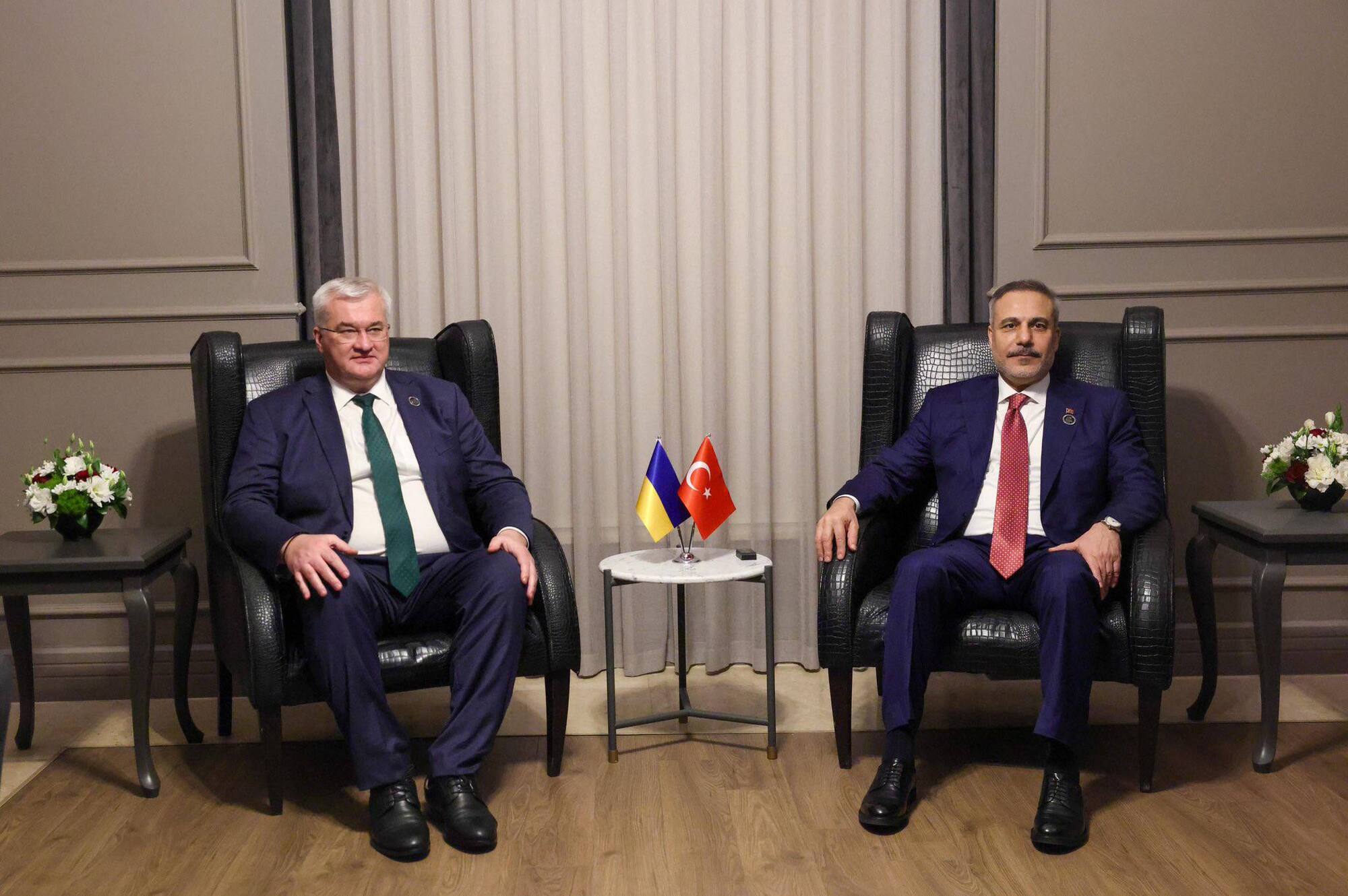
On April 17, at the 5th Antalya Diplomatic Forum — an event that brought together approximately 20 heads of state and over 70 ministers — Ukraine's Foreign Minister Andriy Sybiga publicly confirmed: Kyiv has asked Turkey to become a platform for a meeting between Zelenskyy and Putin. The format is four-sided: two presidents as guarantors, Erdoğan and Trump, as witnesses and mediators.
«We are ready for a meeting of leaders in Turkey in the Zelenskyy-Putin format, with the participation of Erdoğan and Trump. We recently transmitted this signal to our Turkish partners. Turkey plays an important role in peace efforts».
Andriy Sybiga, Ministry of Foreign Affairs of Ukraine, Antalya Diplomatic Forum
According to Sybiga, Zelenskyy personally conveyed the first signal to the Turkish side during his visit to Istanbul on April 4. The speech in Antalya represents public consolidation of the same position.
Why Turkey — and Why Now
Ankara is not accidental in this equation. Turkish Foreign Minister Hakan Fidan himself announced Turkey's readiness to host a new round of talks between Kyiv and Moscow and a potential summit of leaders in Istanbul. According to Fidan, Turkey «maintains constructive relations with both sides» — and this is not mere rhetoric: three previous rounds of delegations, the Grain Corridor, prisoner exchanges — all of this took place under Turkish mediation.
It is significant that Fidan also emphasized: «There is no other name besides Erdoğan in whom all three leaders — Putin, Trump, and Zelenskyy — trust simultaneously». This is not modesty — it is an argument in negotiations over the right to host the summit.
Time pressure is also real. According to Sybiga, Ukrainian intelligence is recording Russia's preparation for a new series of massive combined strikes — up to seven times per month. The negotiation proposal emerges against the backdrop of active hostilities, not after a pause in them.
Scene at the Forum: Who Questions Whom
A notable incident occurred on the sidelines of the forum. Journalists from Russian state television channel «Russia 1» surrounded the Ukrainian delegation and shouted questions about a possible meeting with Putin. Sybiga's response became the headline of the day:
«Zelenskyy is ready to meet with Putin. The question is — why is he hiding?»
Andriy Sybiga — in response to propagandists from «Russia 1»
This episode is not merely a joke. It illustrates an asymmetry: Kyiv publicly confirms its readiness, Moscow evades direct response.
The Kremlin's Position: Moscow Either Remains Silent or Sets Conditions
The Kremlin has shown no interest in a meeting on neutral territory. Spokesman Dmitry Peskov previously insisted that any negotiations are possible only in Moscow. According to analysis by The Wall Street Journal, direct negotiations with Zelenskyy contradict the narrative that Putin has carefully constructed for domestic audiences: a meeting with the president of a country that the Kremlin officially does not recognize as a legitimate actor would destroy this construction.
Meanwhile, Peskov «does not exclude» such a meeting — but only after the «necessary part of the work is completed at the expert level». This is a standard formula for procrastination without refusal.
What This Gives to Whom
- Kyiv demonstrates to Trump that Ukraine is a constructive party: ready for direct dialogue, publicly documenting Putin's refusal.
- Ankara reclaims its role as an indispensable mediator — and with it, geopolitical weight.
- Washington gains a convenient format: Trump's participation in the quartet removes the question «why are the US not involved».
- Moscow is currently losing in the information space: a refusal to meet reads as weakness or fear.
Zelenskyy stated on April 9 that he is ready to meet with Putin — «but not in Moscow and not in Kyiv». Turkey meets this condition. Sybiga in Antalya confirmed: the signal has been transmitted, the platform has been proposed, the format has been coordinated with four parties.
If Putin continues to evade a response — the question turns to Trump: will he increase pressure on the Kremlin enough so that silence becomes more costly for Moscow than agreement.



