Zelensky in Washington demands dates for trilateral talks and warns of risks of easing sanctions
At the bilateral meeting on March 21, Kyiv will seek concrete details about a meeting with Russia and will raise the issue of temporarily easing sanctions — this affects not only politics but also Moscow's real capabilities on the front.

By Tetiana Suchkova-Ladik
March 20, 2026 · 2 min read
Why this meeting is important
On March 21, bilateral talks between Ukraine and the United States will take place in Washington, during which key issues will be preparation for a trilateral meeting with Russia and the consequences of the recent temporary easing of sanctions against the Russian Federation. For the reader, the calculation is simple: security, the speed of international aid, and the financial logistics that support our army all depend on the dates and format of the talks.
What exactly is on the agenda
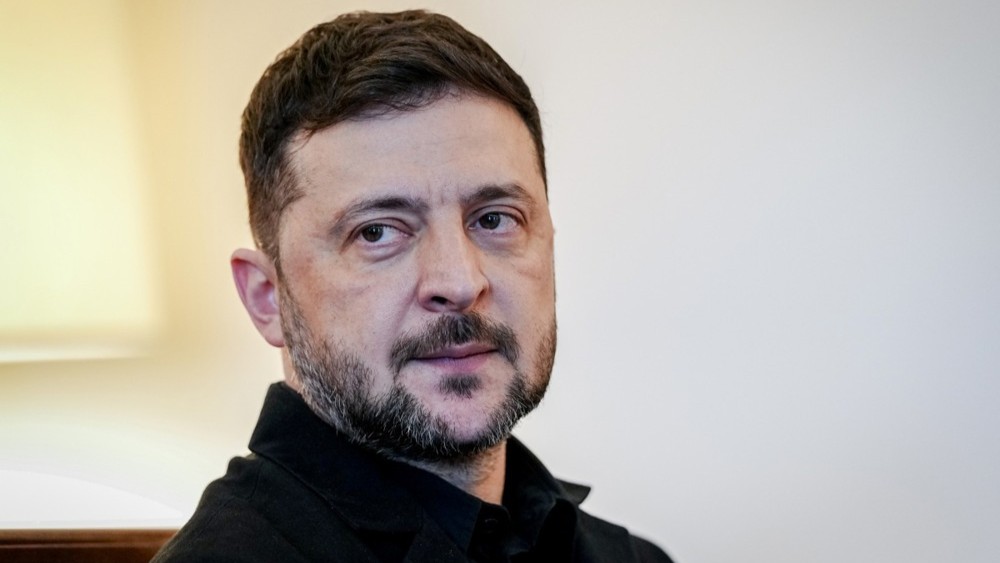
According to President Volodymyr Zelensky, the Ukrainian delegation will demand "clear dates" for a trilateral meeting with Russia. Demonstrating pragmatism, he stressed that the impact of external conflicts — particularly in the Middle East — constantly adjusts the calendar plans for talks and forces the search for realistic alternatives.
"We want clear dates, at least approximate ones. We all understand that the situation in the Middle East, the war, affects the postponement of this date. The trilateral meeting has been postponed more than once — we'd like more concreteness on this"
— Volodymyr Zelensky, President of Ukraine
Sanctions: a technical step or a strategic threat?
The recent decision by the United States to issue a 30‑day license to purchase Russian oil and petroleum products is an operational measure in the context of the escalation in the Middle East. Washington insists that it will not give the Kremlin "significant financial benefit." The Ukrainian position, voiced by Zelensky, is more cautious: a flow of additional funds can quickly turn into resources for conducting hostilities.
"This is dangerous. And I believe that this meeting is also important from that perspective"
— Volodymyr Zelensky, President of Ukraine
According to Ukrainian estimates, within two weeks after the easing of restrictions Moscow had the opportunity to earn around $10 billion. Analysts emphasize: such sums have a direct correlation with the ability to finance military operations.
Bilateral documents, PURL and the "drone deal"
In addition to trilateral logistics, during the visit Ukraine and the US will work on bilateral documents concerning the future end of the war, security guarantees and reconstruction. Among the topics are the PURL program (allies' purchase of American weapons for Ukraine) and the agreement on a "drone deal", which directly affect combat capability and technological security at the front.
Prisoners and ultimatums
Despite the absence of full-scale negotiations, prisoner exchanges resumed in March after being unblocked following the Abu Dhabi outcomes. At the same time, Russia maintains an ultimatum position demanding the withdrawal of Ukrainian troops from parts of Donbas — a demand the president rejects as unacceptable and strategically dangerous for Ukraine.
What this means for us
The facts are: negotiations are not theatrical gestures, but mechanisms that turn political will into concrete guarantees and resources. Ukraine is now demanding specifics — dates, format, commitments. If partners do not provide clear answers, it will be necessary to accelerate alternative scenarios for ensuring defense and finances.
Now the ball is in Washington's court: declarations of support must turn into clear plans and documents that will provide not only a diplomatic perspective but also the practical capacity to defend the country.
Sources: speeches and comments by Volodymyr Zelensky; publications by LIGA.net; official statements from the US administration regarding temporary licenses for oil imports.



