Geneva, 17–18 February: security and humanitarian issues — what are the consequences for Ukraine?
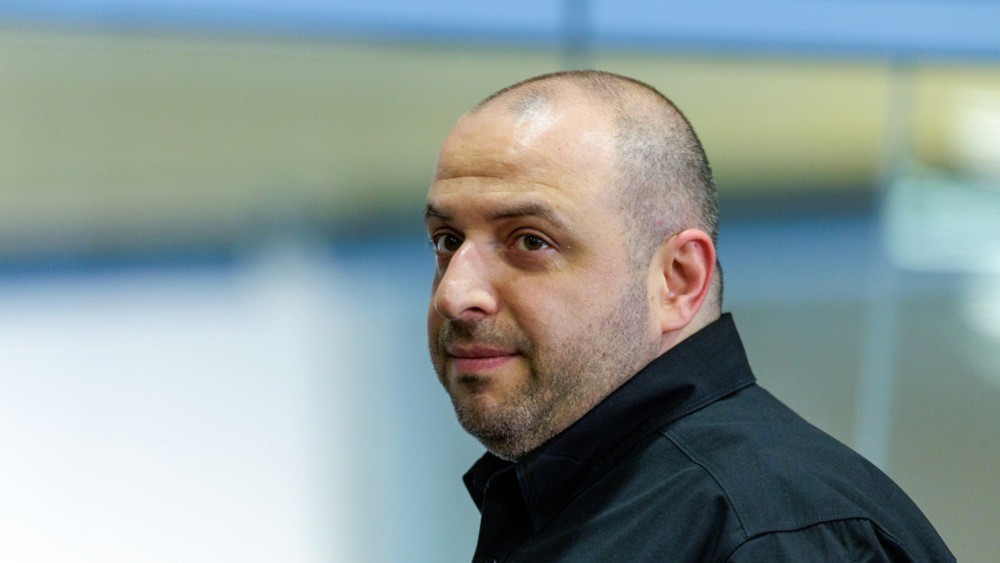
Head of the Ukrainian delegation Rustem Umerov confirmed: the agenda has been agreed, the team is already in Geneva. We break down why these negotiations are important and what practical results Kyiv can expect.

By Tetiana Suchkova-Ladik
February 16, 2026 · 2 min read
Briefly
Rustem Umerov reported that the Ukrainian delegation is already in Geneva and ready to work. At the talks on February 17–18, in a trilateral format with Russia and the United States, issues of security and of a humanitarian nature — which Kyiv defines as priorities — will be discussed.
Tomorrow we start the next round of negotiations in the trilateral format. The agenda has been agreed, the team is ready to work
— Rustem Umerov, head of the Ukrainian delegation; Secretary of the National Security and Defense Council
Key details and context
Umerov did not specify the full list of topics, but past rounds give a sense of the priorities: on February 4–5 in the UAE a prisoner exchange took place, and 157 Ukrainian military personnel and civilians returned home. At that time, methods for implementing a truce and monitoring mechanisms were also discussed.
The Geneva round differs in personnel: the Russian delegation will be led by Alexey Medinsky, who was Moscow's chief negotiator in Istanbul (2022, 2025), rather than the head of military intelligence, Admiral Kostyukov. Such a change could alter the style of the negotiations and the priorities Moscow puts forward.
Additional context is provided by partners' statements: the U.S. ambassador to NATO, Matthew Vitaker, linked the lack of a signed security guarantees agreement to the unresolved issue of territories, and on February 16 U.S. Secretary of State Rubio emphasized that the United States is not pressing Kyiv or Moscow to reach an agreement.
Why this matters for Ukraine
The talks themselves mean little if they do not produce instruments. For Ukraine, the key is to turn discussion into practical mechanisms: procedures for prisoner exchanges, reliable instruments for monitoring a ceasefire regime, and, ultimately, security guarantees that can be formalized technically and legally.
Analysts of the diplomatic process note that what matters more than statements is the composition of the technical work — who will be tasked with monitoring, what powers observers will have, what formats will confirm that agreements are being implemented. It is precisely through such mechanisms that the effectiveness of negotiations is measured.
Summary
The Geneva meeting on February 17–18 is an opportunity to move from an exchange of rhetoric to tangible results. For Ukraine, the main question is whether these rounds will turn into concrete steps that enhance security and help bring people home, or once again be limited to political formulas. The answer depends on the parties' readiness to agree on technical mechanisms and on pressure from partners to implement them.



