Geneva: Military Progress but Political Impasse — What It Means for Ukraine
The second session of the tripartite talks yielded tangible progress on monitoring a ceasefire, but political disagreements remain. Why this matters for Ukraine’s security and diplomacy now.

By Tetiana Suchkova-Ladik
February 18, 2026 · 2 min read
In brief
The second day of talks in Geneva between Ukraine, the US and Russia produced concrete agreements on the operational level — but did not resolve key political questions. This means: there are tools to strengthen security on the ground, but without a political solution the risks remain.
What Zelensky said
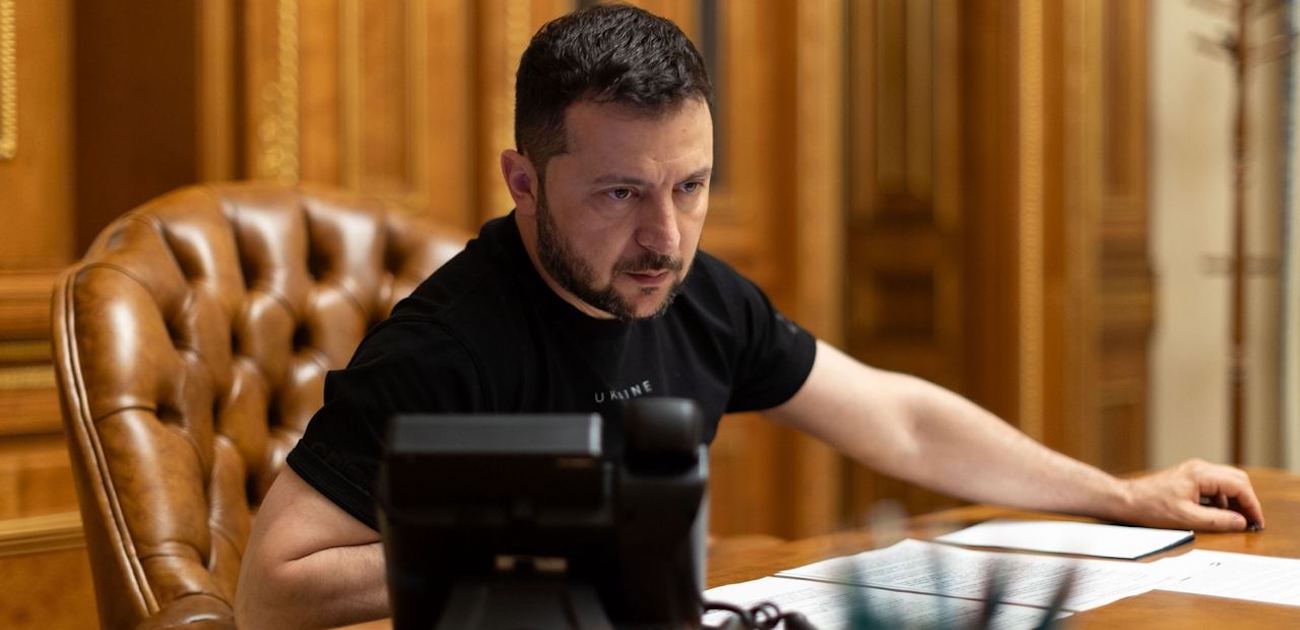
After roughly two hours of discussion, President Volodymyr Zelensky said that on military issues the sides were constructive and there are developments on monitoring a ceasefire. He said there was no political breakthrough — dialogue will continue, but results comparable to the military progress have not yet been achieved.
'On the military front I heard progress; on the political front there was a dialogue — we agreed to keep going and continue. I did not hear the kind of progress there that I heard on the military side.'
— Volodymyr Zelensky, President of Ukraine
Why results differ between the military and political dimensions
Military issues are often technical: control mechanisms, monitoring, procedures for interaction — essentially, matters of trust in operations. This is where it is easier to reach compromises even between hostile parties if there is a third-party guarantor. Therefore the signal that monitoring of a ceasefire will take place with US participation is practical and meaningful for security at the front.
Politics touches on sovereignty, territory and guarantees — here the parties' interests fundamentally diverge. According to reports, US special representative Vitkoff noted some progress, while Axios reported a deadlock related to the presence of certain advisers from the Russian side. These contradictions explain why a military mechanism can be agreed faster than a political deal.
What’s next and how this affects us
Next steps include a detailed report from the negotiating team in Ukraine and work to turn the military developments into legally formalized mechanisms. If partners implement monitoring in practice, this will provide additional protection for Ukrainian citizens and reduce the risk of escalation in certain sections of the front.
But the main question remains political: will Russia agree to compromises that ensure a lasting ceasefire and political guarantees. Analysts note that without progress on the political dimension, technical agreements will have limited effect.
Conclusion
Geneva showed that in high diplomacy the first step is sometimes a technical agreement that creates space for further political decisions. The task for Ukraine and its partners now is to convert military developments into a lasting security system and press the political side of the talks so these mechanisms do not remain only on paper.



