Shift in focus to Iran opens diplomatic window for Ukraine — Finland's president says
Alexander Stubb, in an interview with Bloomberg, says the conflict in the Middle East is temporarily complicating cooperation between Russia and Iran and could give Kyiv "space to seek solutions." We explain why this matters and what the risks are.

By Tetiana Suchkova-Ladik
March 7, 2026 · 2 min read
Why this is worth reading
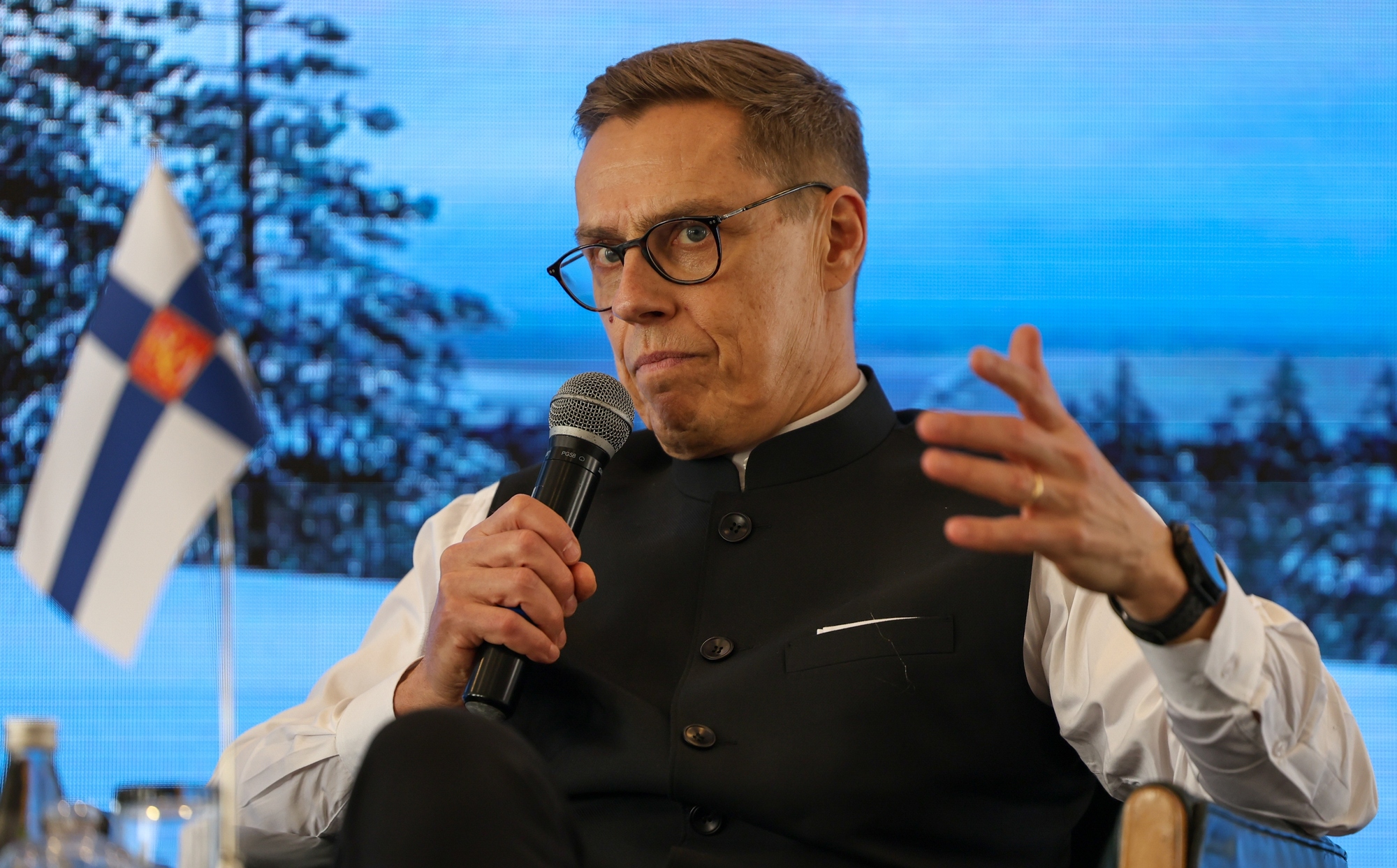
In high diplomacy, it’s not only loud statements that matter but also time windows when partners’ attention and resources are diverted. This is the case described by Finland’s president Alexander Stubb in a conversation with Bloomberg: escalation in the Middle East creates a tactical pause in Russia‑Iran cooperation that Kyiv should use.
What Stubb said
According to the Finnish president, U.S. and Israeli strikes on Iran and Tehran’s counterattacks on American bases mean that Iran and Russia "cannot cooperate" on missile and defense matters. This, in his view, gives diplomatic teams more room to seek solutions without excessive external pressure.
"U.S. and Israeli strikes on Iran, as well as Tehran’s counterattacks on American bases in the Middle East, mean that Iran and Russia currently cannot cooperate either in the field of missiles or in the defense industry"
— Alexander Stubb, President of Finland (interview with Bloomberg)
How this can help Ukraine
Experts highlight three practical effects in such a scenario:
- Weakening of technological flows: strained logistics and Tehran’s focus on the region reduce the capacity for rapid deliveries of weapons and intelligence between Tehran and Moscow.
- Diplomatic space: when key players are focused on a new crisis, negotiating teams can work less publicly and more flexibly — a chance to advance compromises.
- Competition for attention and resources: allies’ funding and priorities may be partially redirected, which simultaneously creates opportunities and new challenges for lobbying support for Ukraine.
Numbers and international context
Stubb compared the expenditures: roughly $40 billion were spent in Iran during the first week of operations — a figure he likens to the scale of funding that went to help Ukraine in a year. By comparison, total European support for Kyiv since 2022 is estimated at 250–300 billion euros (about $290–350 billion).
Open sources also report that spending on air defense systems in the region (including PAC-3 interceptors) over several days could have exceeded the usual needs for Ukraine’s winter period; CNN and The Washington Post reported on possible material and financial reinforcement of Iran, and Bloomberg noted that Russia might see some "advantages" in diverting partners’ attention.
Risks and uncertainties
The upside is that a diplomatic window may open, but it is not guaranteed and has a number of pitfalls:
- If partners redirect resources to the new front, actual military assistance to Ukraine may slow down.
- Russia may seek other channels of interaction or accelerate its own cooperation programs with third countries.
- Diplomatic space must be used quickly and purposefully: talks without clear results risk turning into futile discussions.
Conclusion
The world’s shift of attention to Iran is not an automatic victory for Ukraine, but it is a tactical opportunity. According to respected publications and diplomats, the key question now is not only what is happening in the Middle East, but how Kyiv and its partners will use this time: diplomatic efforts must be turned into concrete decisions and guarantees, not silent hopes.
Experts agree: it is now up to those who can turn the "room to seek solutions" into concrete steps for security and the restoration of Ukraine’s territorial integrity.



