"Natural" doesn't mean safe: what kills pets during cleaning
Chlorine and phenols are well-known enemies of cats and dogs. But tea tree oil from an aroma diffuser or a "chemical-free" lemon-based product can cause just as much harm.

By Oleg Bazylewicz
May 25, 2026 · 2 min read
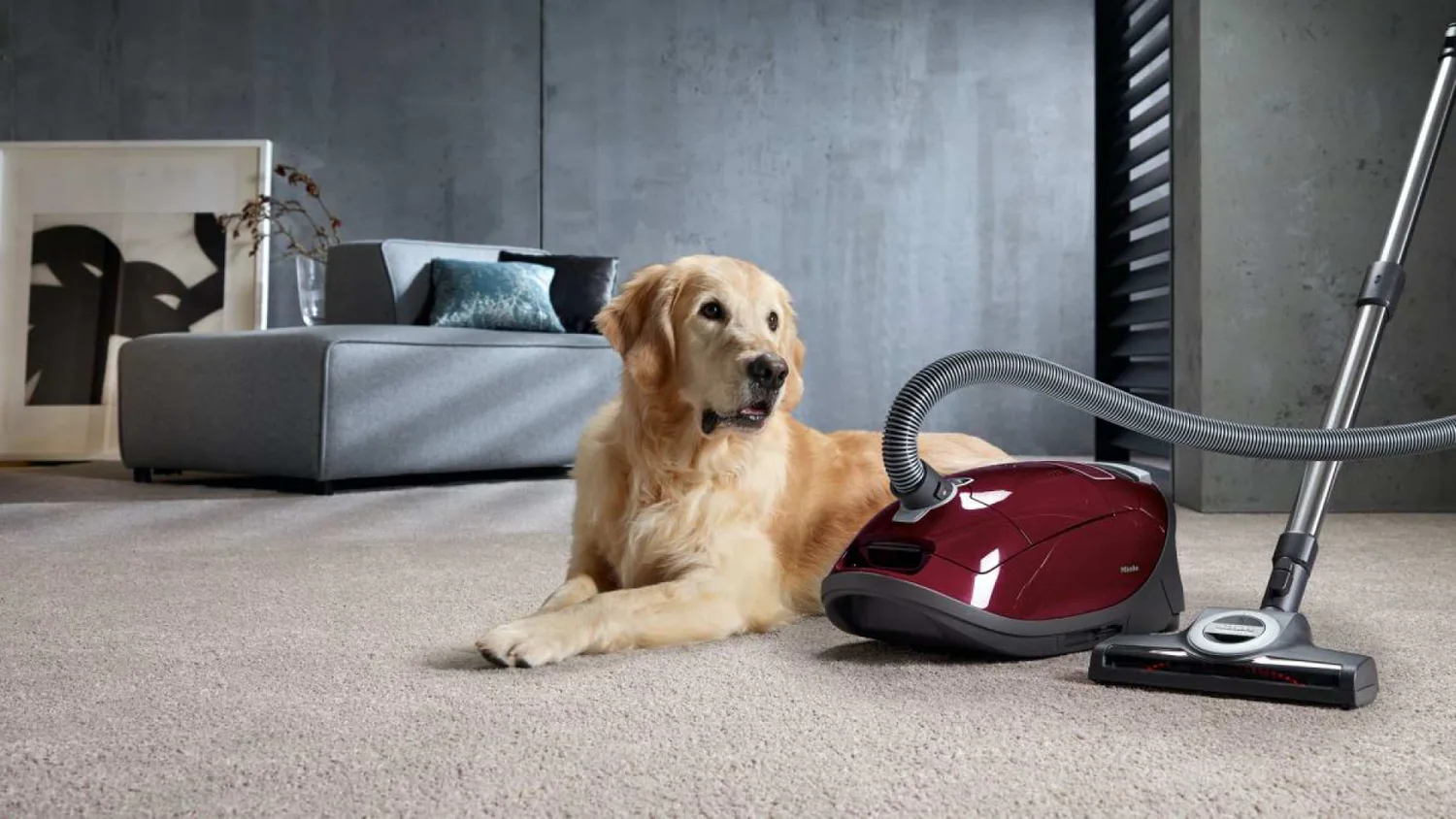
General house cleaning is stressful for animals even before they lick anything. Loud noises, rearranged furniture, sharp odors — and the danger doesn't end there. Veterinarian Elizaveta Babii explained to UNN journalists which substances and scenarios are the most risky.
Chlorine, phenols, ammonia: the classic trio
Chlorine-based products are among the most common household cleaners and the most dangerous for animals. Their vapors irritate the respiratory tract, and ingestion causes chemical burns and gastrointestinal disorders. Cats and birds are particularly sensitive to chlorine — even a weak solution can become toxic.
Phenols, found primarily in products with an "antibacterial" effect, pose a separate threat to cats: feline livers do not produce enzymes capable of processing phenolic compounds, so even a minimal dose if swallowed can cause liver damage.
"Household bleaches often contain up to 5% sodium hypochlorite, which upon contact can cause diarrhea and vomiting in animals due to nasal and throat irritation."
— according to veterinary publications
Ammonia, found in window and floor cleaning liquids, is dangerous due to its sharp vapors — they cause eye irritation and breathing problems. The worst-case scenario: mixing an ammonia-based product with a chlorine-containing one — this results in chloramine, a toxic gas that is dangerous for both animals and humans.
Unexpected danger: "natural" chemistry and aroma diffusers
This is an aspect most pet owners overlook. Labels marked "eco" or "plant-based" do not guarantee safety for animals. Tea tree, eucalyptus, mint, cinnamon, lavender, pine, and citrus oils are toxic to cats even in small quantities. The reason is the same: cats' livers cannot metabolize the relevant chemical compounds.
Aroma diffusers during cleaning pose a double risk: the animal simultaneously experiences exposure to chemicals from the floor and essential oils from the air. Just a few drops of concentrated tea tree oil on a dog's skin can already cause poisoning.
- Avoid in product ingredients: chlorine, bleach, ammonia, phenol — regardless of what language is on the label.
- "Pet safe" — check the composition, not just the label: no certification standard exists, manufacturers apply the label themselves.
- Essential oils in a diffuser — remove the animal from the room and ventilate for at least an hour afterward.
- Floor after cleaning — is dangerous until it dries and is ventilated: a cat or dog walks on it with their paws, then licks them.
Symptoms that cannot be ignored
Vomiting, diarrhea, lethargy, tearing, cough, convulsions — any of these signs after cleaning require immediate veterinary attention. It is important to bring the product packaging or photograph the ingredients — this significantly speeds up diagnosis.
Elizaveta Babii emphasizes: thorough rinsing of cleaning products with water and ventilation of the premises are mandatory steps, not optional ones. The animal should be isolated during cleaning and returned to the room only after all surfaces have completely dried.
The market for "pet-safe" chemicals in Ukraine is growing, but a single standard for confirming this status still does not exist — if manufacturers and the veterinary community do not agree on a transparent labeling system, pet owners will continue to rely on their own vigilance rather than the label.