A Pair of Glasses Worn by Macron Lifted iVision Tech's Shares by 30% — What's Behind It
After the French president appeared wearing Henry Jullien glasses, the shares of a small holding rose by roughly 30%. We examine why a single accessory became a financial catalyst and what this means for small-scale manufacturers and brands, including Ukrainian ones.

By Tetiana Suchkova-Ladik
January 23, 2026 · 2 min read
Brief
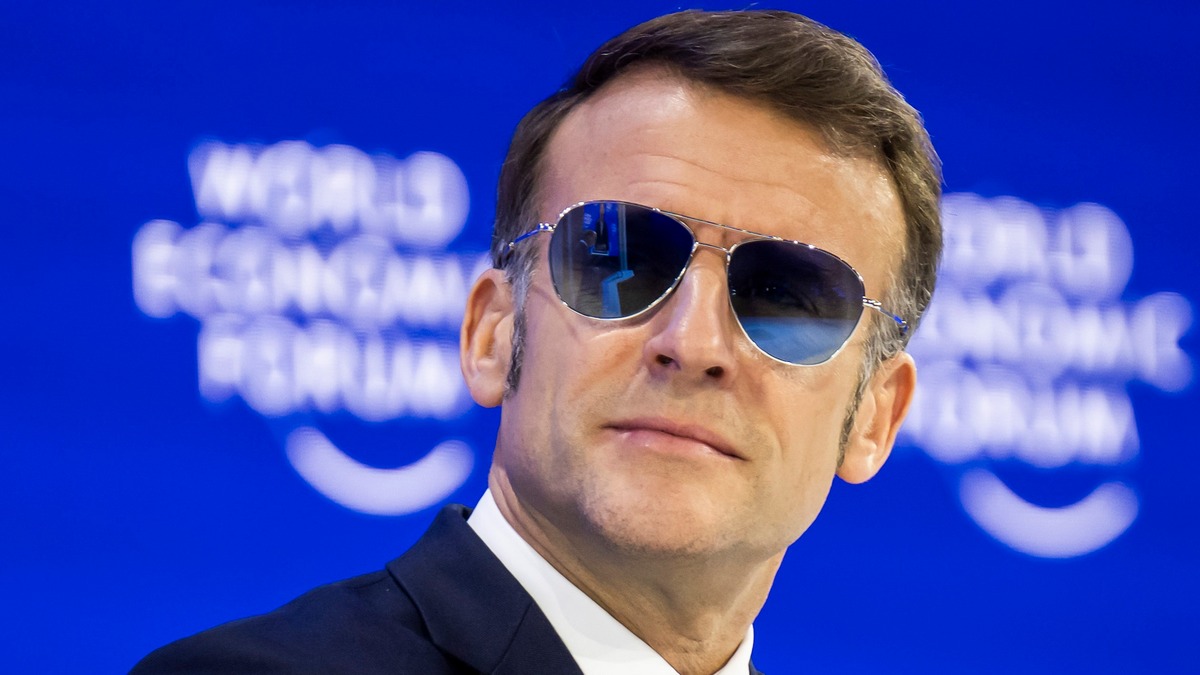
After Emmanuel Macron's appearance at the World Economic Forum in Davos, shares of the Italian group iVision Tech (owner of the Henry Jullien brand) jumped by roughly 30%, FranceInfo and The Guardian report. The company's market capitalization rose to nearly $19 million — a result of sudden interest in the brand after the president was seen wearing the Pacific S 01 Double Gold model.
Media angle and mechanics of the effect
The model, priced at €659, drew attention beyond the Davos audience: after the speech Henry Jullien's website could not withstand the influx of visitors. It's a typical chain — leader visibility, rising demand, technical site problems, and investors reacting by pricing in potential sales increases.
"I said I would be happy to send him a pair, but I was told — no. He didn't accept them as a gift, and wanted to purchase them personally. The French president was very particular that the glasses be entirely made in France."
— Stefano Fulchir, president of iVision Tech
Details that matter
The Henry Jullien factory was founded in 1921 and is located in the municipality of Lons-le-Saunier (Jura department). The firm employs about ten people and produces roughly 1,000 pairs of glasses a year; a single pair can take up to four months to make. The office of the French president, the company says, contacted them about a pair as a diplomatic gift for the G20 summit, but later Macron bought one pair personally.
Why this matters — for the market and for Ukraine
This story is an example of how a leader's visibility can instantly transform into an economic impulse for a small manufacturer. For Ukrainian brands the lesson is twofold: first, quality and national identity (made‑in) can become a competitive advantage on foreign markets; second, diplomatic and public visibility (speeches, international meetings) is a real tool for promoting exports if you know how to use it.
Outlook
The rapid jump in shares may level off after the initial hype, but the signal to the market is clear: even micro-producers benefit from strategic visibility. For Ukraine, it's a reminder of the value of craftsmanship, branding, and that investments in quality and reputation pay off even in difficult times.