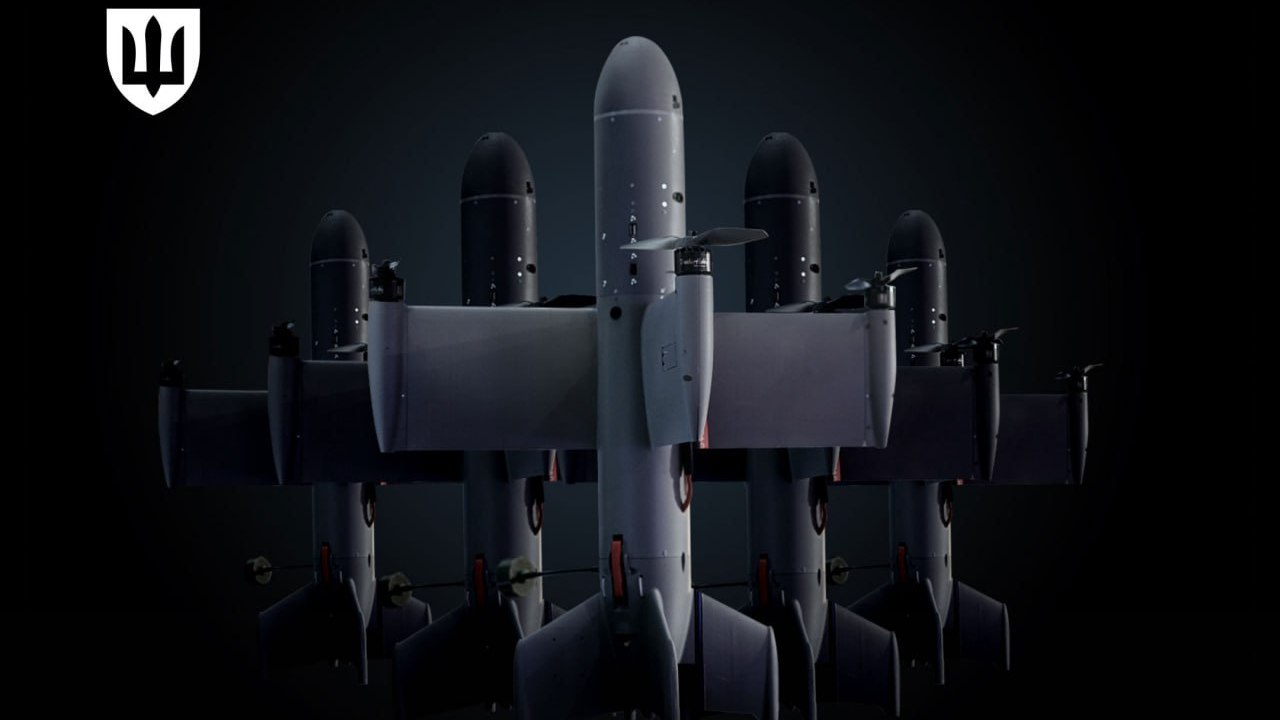
1,000 Octopus per month from February: how mass production will strengthen Ukraine's air defenses
Shmyhal announced that Octopus interceptor drones have entered serial production — this is not only a response to waves of "Shaheds," but also a signal of industrial and diplomatic mobilization on the part of partners.

By Tetiana Suchkova-Ladik
January 9, 2026 · 2 min read
What was announced
Starting in February, production of the Octopus interceptor drones will reach 1000 units per month. This was reported on the social network X by Denys Shmyhal after a meeting with British Defence Secretary John Healey, where a roadmap for developing defence partnership was also signed.
Why it matters
The figure of 1000 units is not a refined PR metric but a practical response to the needs of the air defence system. In September, President Zelensky estimated that to counter roughly 800 Russian "Shaheds" about 1600 interceptors would be needed; therefore a monthly production capacity of a thousand brings Ukraine significantly closer to stabilising the situation with mass drone attacks.
Partnership with the United Kingdom: technology + licence
Serial production of Octopus began in Ukraine in November 2025, and at the end of November a licensing agreement for their manufacture was signed between Ukraine and the United Kingdom. According to Shmyhal, mass production has the potential to grow to several thousand per month — and that means not only increasing the number of devices, but also transferring technologies, quality-control standards and supply chains necessary for a resilient defence industry.
"The United Kingdom has already made a significant contribution to strengthening our capabilities to repel Russian terror. From February we are moving to production of 1000 Octopus interceptor drones per month"
— Denys Shmyhal, Minister of Defence (post on social network X)
What experts say
Military analysts note that large-scale local production provides two key advantages: rapid availability of equipment and reduced dependence on long supply chains. In addition, a licensed manufacturing base strengthens Ukraine's arguments in negotiations over further support — when partners see investments in industrial infrastructure, they are more willing to move from temporary aid to long-term cooperation programmes.
What's next
The task now is to turn ambitious numbers into steady supplies to the front: from deploying production lines to logistics and integration into the air-defence system. If industrial scalability is confirmed, it will be an example of work that is less visible in headlines but tangible on the front line.
Brief forecast: 1000 Octopus per month — an important milestone, but not the end of the road. From serial production to effective use — several technical and organisational steps remain, the results of which will determine citizens' safety and the ability of Ukrainian defence to withstand massed attacks.