€197 million for a strategic energy reserve and a €5.4 billion plan: how Ukraine is preparing for the next winter
Money likes silence, but these figures are worth knowing. In Brussels, officials agreed to create a €197 million equipment reserve — a move intended to reduce the impact of further strikes on the power system and speed up repairs.

By Tetiana Suchkova-Ladik
March 17, 2026 · 1 min read
What was decided
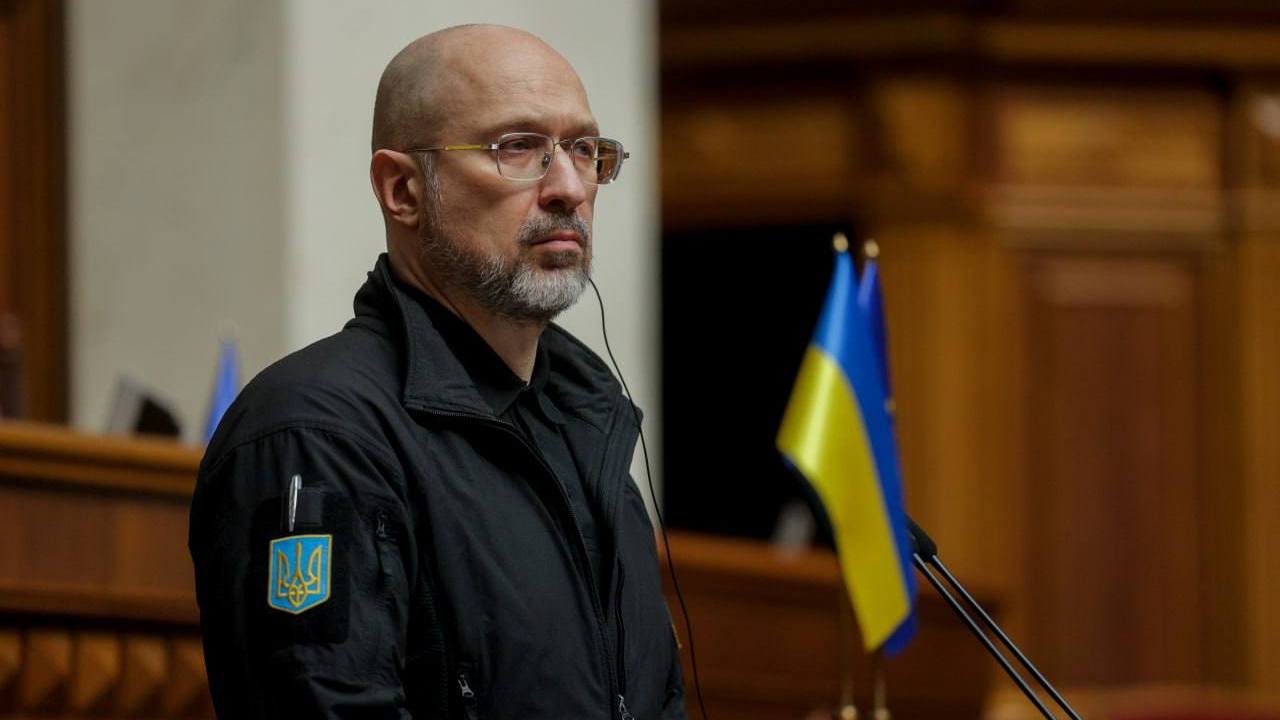
After talks in Brussels, First Vice Prime Minister — Minister of Energy Denys Shmyhal announced the creation, within the Energy Support Fund, of a strategic reserve of equipment. The currently available budget for this part of the fund is €197 million.
"Thanks to this mechanism, Ukrainian companies will be able to stockpile energy equipment until next winter and then, if necessary, use the accumulated reserves for repairs."
— Denys Shmyhal, First Vice Prime Minister — Minister of Energy
Why this matters
In the autumn of 2025 Ukraine faced renewed outages due to massive strikes on the power sector. The strategic reserve is not just about pieces of equipment: it is about speed of response and the ability to carry out emergency repairs without long waits for delivery or reconfiguration.
In addition to the reserve, the Ukrainian side reports an agreement to receive decommissioned equipment from six European CHP and thermal power plants — a source that could close bottlenecks in the supply of transformers, boilers, and turbines.
Financial framework and the next step
Besides €197 million, Ukraine is counting on a package of aid from partners totaling €5.4 billion to prepare for the next winter. If these commitments are turned into signed contracts and logistics, the reserve and equipment deliveries will provide a meaningful buffer against new attacks on infrastructure.
Risks and limitations
The reserve itself is not a panacea. Clear procedures for storage, inventory, and rapid deployment of reserves are needed, as well as funding for logistics and installation. Without these, even costly deliveries may be delayed where they are most needed.
What next
This step shows that work on energy resilience continues not only through loud statements but also through practical mechanisms. Now the ball is in the partners' court — €5.4 billion must be converted into contracts, equipment, and ready spare parts. Whether this can be done in time will determine how many strikes on the energy system turn into prolonged outages.



