€197 million for emergency storage: Ukraine creates strategic reserve of energy equipment for the first time
Energy Support Fund Redirects Donor Funds to Transformers and Generators Stock — to Avoid Months-Long Waits After Missile Strikes. This Is a New Approach, but Total Winter Needs Stand at 5.4 Billion Euros.

By Oleg Bazylewicz
April 8, 2026 · 3 min read
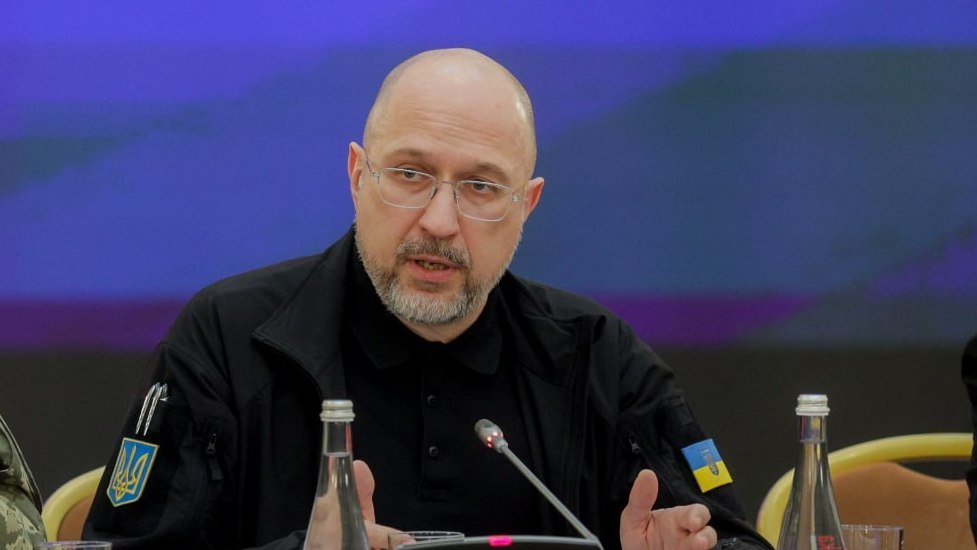
First Vice Prime Minister and Energy Minister Denys Shmyhal announced that equipment worth over 200 million euros has already been directed to Ukraine. The deadline is the end of October: by that time, everything must not only be delivered but also ready for operation. According to Shmyhal, in parallel, the Energy Support Fund is ready to redistribute approximately 195–197 million euros of donor funds to the so-called Strategic Reserve.
What is the Strategic Reserve and why is it needed
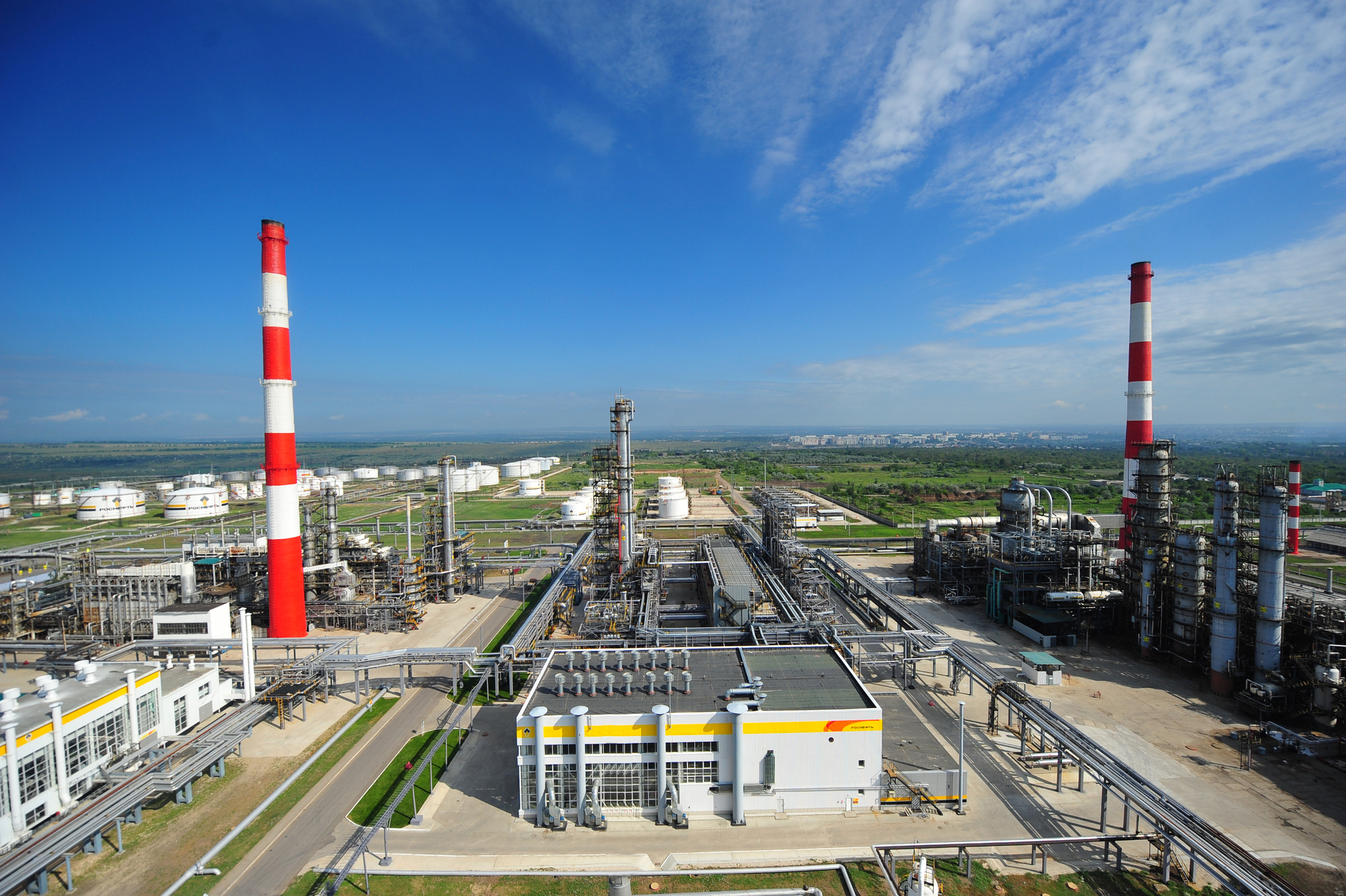
Until now, the logic was reactive: Russia strikes — partners search for and deliver equipment. This took weeks and months while people sat without light and heat. The new mechanism, agreed upon during Shmyhal's meeting with the Director of the Energy Community Secretariat Arthur Lorkowski, provides for the accumulation of transformers, generators, and other critical equipment in advance — before strikes occur.
«Through this mechanism, Ukrainian companies will be able to accumulate energy equipment before the next winter and then, if necessary, use the formed reserves for repairs».
Denys Shmyhal, Energy Minister
The Energy Support Fund has accumulated over 1.87 billion euros from 33 donors from 22 countries since 2022. In the first half of 2025 alone, according to the Energy Community Secretariat report, the Fund directed 271.7 million euros to Ukraine's urgent needs.
Scale of the problem: 200 million versus 5.4 billion
The figure of 200 million looks significant only when compared to the total stated need. Shmyhal named it directly: for full preparation for the winter of 2025–2026, Ukraine needs 5.4 billion euros. That is, current supplies cover less than 4% of the calculated deficit.
The context is critical. According to the Brookings Institution, during the heating season of 2024–2025, Ukraine faced a generation deficit of 2–3 GW during peak hours. Wilson Center analysts warned even before last winter: at temperatures of -10°C without adequate preparation, blackouts of up to 10–12 hours per day were possible. Ukraine managed to get through the winter without a large-scale blackout — partly due to favorable weather, partly due to international support.
- Since March 25, 2025 — over 1,200 violations of energy network operations due to Russian attacks
- 70 incidents in the oil and gas sector, 11 — in coal
- Thanks to UNDP, over 450 MW of additional generation capacity has been installed
What is not said aloud
The Fund is an instrument for coordinating donors, not a guarantee of financing. Funds come from 33 different sources with different conditions and horizons. The Strategic Reserve mechanism is new: to date, there is no public data on who and how will control the distribution of supplies among energy companies after strikes, and whether the reserve will not become another item where "there is money but no transformer".
CEPA analysts point out directly: without air defense systems and physical protection of key facilities, even fully stocked equipment only extends repair time — but does not prevent blackouts. Ukraine's real GDP, according to the RRR4U consortium estimate, will grow around 2% in 2025, but growth is undermined precisely by damage to the energy system.
If by the end of October Ukraine truly receives the declared volume of equipment and in parallel partners cover at least half of the 5.4 billion euro winter need — the logic of the Strategic Reserve may for the first time change the very principle of responding to strikes: from emergency to systemic.