$2,537 per meter in a house over 100 years old: why Kiev's "royal" apartments are getting more expensive even during wartime
Pre-revolutionary buildings in Podil and Pechersk are setting price records on Kyiv's secondary real estate market. Logically, it should be the opposite: aging housing stock, no bomb shelters, lack of modern utilities.

By Tetiana Suchkova-Ladik
April 19, 2026 · 2 min read
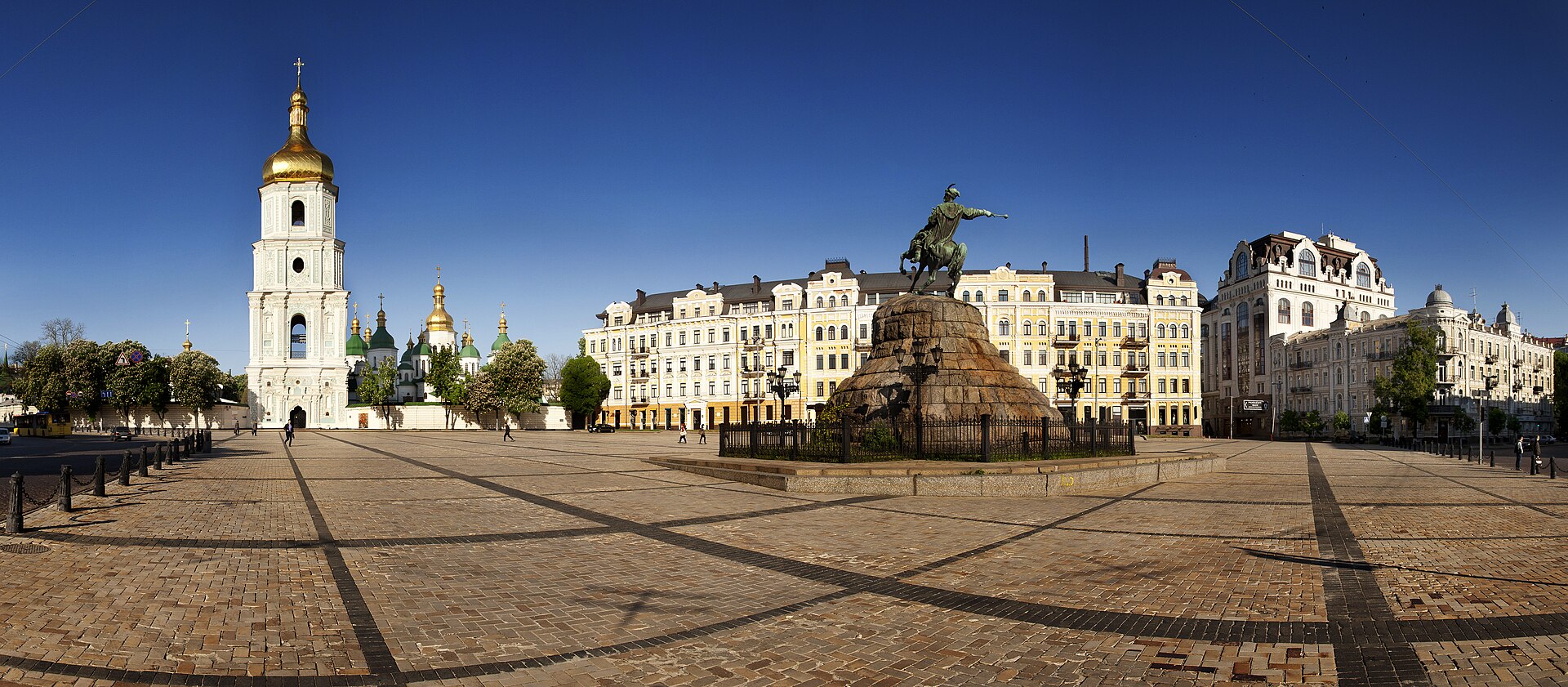
When the real estate market declines, the first thing that should lose value is the old housing stock without elevators, with wooden ceilings and Soviet pipes. But Kyiv's "royal" buildings, constructed before 1918, do not follow this logic.
How much does a square meter cost in a building older than Ukraine's independence by 6 times
According to analysts at GIS Uvecon, pre-revolutionary buildings lost only 2–3% of their value over a year of war — while panel buildings declined by 12% and budget-class by 7%. Today the situation has become even more dramatic: on Pechersk, a square meter in a "royal" building costs an average of $2,537, while apartments with panoramic views or designer renovations exceed this threshold even further.
Owners of "royal" apartments in the center barely lowered prices — and buyers still found themselves, valuing their location.
GIS Uvecon, secondary market analysis 2024–2025
In parallel, on the primary market, comfort and business-class apartments sell for an average of $2,300–2,700 per meter. That is, a "century-old" building on Podil competes in price with a new business-class residential complex — and doesn't lose.
Three reasons why this is not just nostalgia
- Limited supply. There are physically few pre-revolutionary buildings in Kyiv, and no new ones will appear. The market is a closed club with a fixed number of places.
- Location without compromise. Pechersk and Podil are the center where new construction is almost impossible due to protection zones and dense development. Those who want to live in the heart of the city choose between the secondary market and rare new projects at similar prices.
- Status asset. According to analysts' observations, buyers of "royal" apartments view them not only as housing but as capital preservation — and that's exactly why they don't react to the general market pressure downward.
Context: the general market picture
Currently, there are over 14,000 apartments for sale on Kyiv's secondary market. According to LUN data, the average one-bedroom apartment in the capital costs $65,000, a two-bedroom — $100,000, a three-bedroom — $150,000. The housing affordability index has improved somewhat: buying a one-bedroom apartment now requires 7.5 annual salaries compared to 8 half a year ago.
At the same time, across Ukraine, 48,900 apartments and houses began construction in the first half of 2025 — 35% more than last year. The most active construction is in Kyiv, Lviv, and Ivano-Frankivsk regions. But a new square meter in Holosiyivsky or Darnytsky district and an old square meter on Andriyivsky Descent — these are two different goods for two different buyers.
The security paradox
"Royal" buildings lack underground parking shelters, modern ventilation, and often lack generator connections. Effectively, they lose to new buildings on all wartime criteria. But prices hold steady. This means the buyer of this segment has either solved the security issue differently, or consciously pays for something else — for the feeling of a city that existed before all of this.
If a ceasefire or freezing of the conflict actually happens and part of the 3–4 million Kyivans who left returns to the city — the "royal" square meter on Podil will be the first to feel this demand. The question is whether it will remain affordable even for those who can already afford it today.



