"203 Million Down the Drain: How Gas Was Stolen Directly From a Pipeline in Prykarpattia"
# Prosecutor General's Office Exposes Gas Theft Scheme from Gas Transmission System in Carpathian Region. Losses — 203 Million UAH. Details That Astound with Their Simplicity.

By Tetiana Suchkova-Ladik
May 19, 2026 · 2 min read
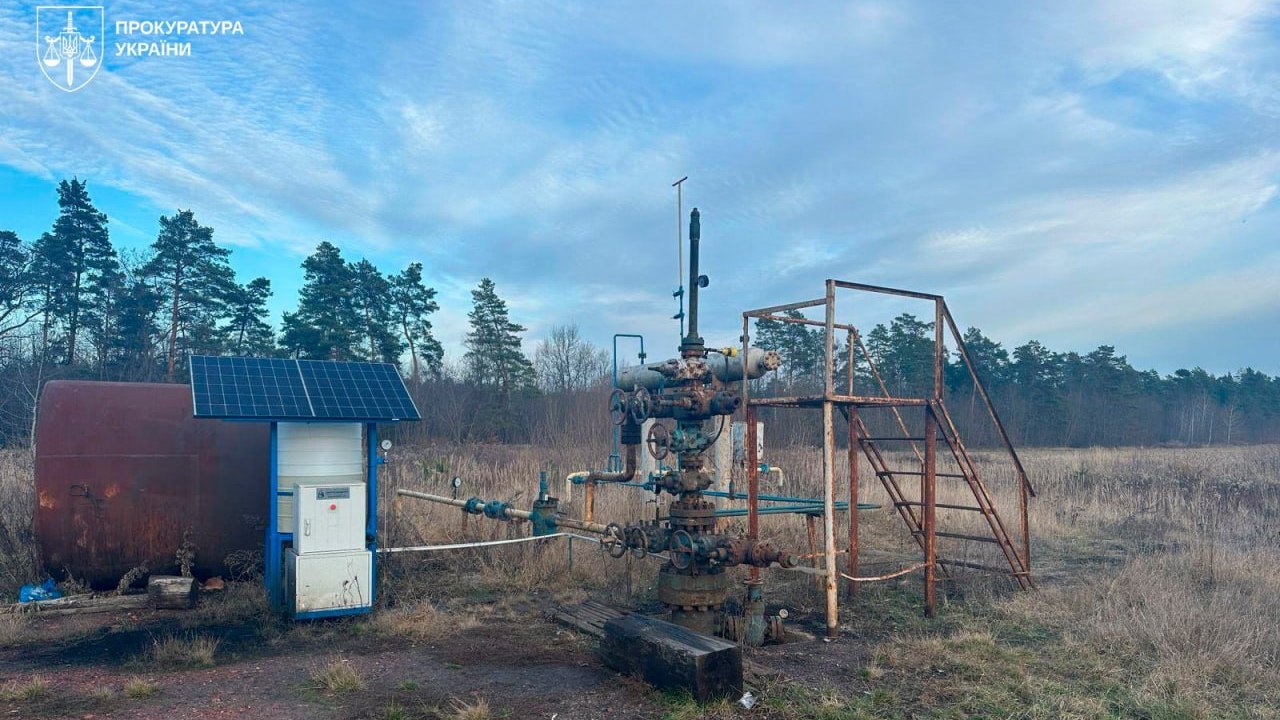
When the state is at war and gas tariffs are draining the pockets of millions of Ukrainians, someone in the Carpathian region simply connected to the main pipeline and pumped gas for years. The General Prosecutor's Office called the scheme "primitive" — and this is probably the most accurate characterization of what was happening.
What happened
The Prosecutor's Office released the results of an investigation into large-scale illegal extraction of natural gas from the gas transportation system in the Carpathian region. According to the prosecutor general, total losses amount to 203 million hryvnias. The suspects physically tapped into the gas main and diverted blue fuel bypassing official meters and accounting.
The investigation seized evidence, documented equipment on site, and opened criminal proceedings. The specific names of suspects and their status are not being disclosed at the moment — the case is in an active investigation phase.
Why "primitive" is a verdict on the system, not just the criminals
The term "primitive scheme" sounds like an understatement, but it's actually the most dangerous signal. Primitive means there's no need for complex corruption chains, forged documents, or offshore accounts. Physical access to the pipe and lack of proper technical monitoring in the area is sufficient.
Ukraine's GTS is one of Europe's largest gas transportation systems. Its length exceeds 37 thousand kilometers. It's physically impossible to control every meter without automated pressure and flow balancing systems. If the "primitive" scheme worked long enough to accumulate 203 million hryvnias in losses — the question isn't only about the criminals.
Context: gas as a wartime resource
The Carpathian region is an area with its own gas production and developed infrastructure. This is where part of underground storage facilities and an extensive network of distribution stations are concentrated. When Russia is methodically attacking Ukraine's energy infrastructure, and Naftogaz is negotiating to preserve transit capacity, theft from the GTS isn't just an economic crime. It's a blow to the system that keeps heat in homes and balances the country's energy budget.
203 million hryvnias is approximately the cost of several substations that Ukrenergo is restoring after missile attacks, or monthly wages for several thousand teachers in Carpathian villages.
What's next
The Prosecutor's Office announced the continuation of investigative actions. Whether the case will result in verdicts with real sentences is a separate question: Ukrainian courts have an established practice of suspended sentences in cases of embezzlement of state resources if the accused are not connected to organized crime or don't attract "excessive" public pressure.
If the investigation establishes that the scheme operated with the knowledge or participation of officials from the GTS Operator of Ukraine or regional gas distribution companies, the case will move into the category of systemic corruption. Until this is proven — we have a crime without names and a verdict without a date.
Will the prosecutor's office be able to prove the case to a real sentence without it "dissolving" at the stage of transfer to court — especially if the suspects include people with administrative resources?



