21 vessels over the weekend: Strait of Hormuz sets traffic record despite Iranian threats
During April 4-5, more vessels passed through the Strait of Hormuz than at any time since the onset of regional tensions. The figure is straightforward — the conclusions are more complex.

By Tetiana Suchkova-Ladik
April 6, 2026 · 2 min read
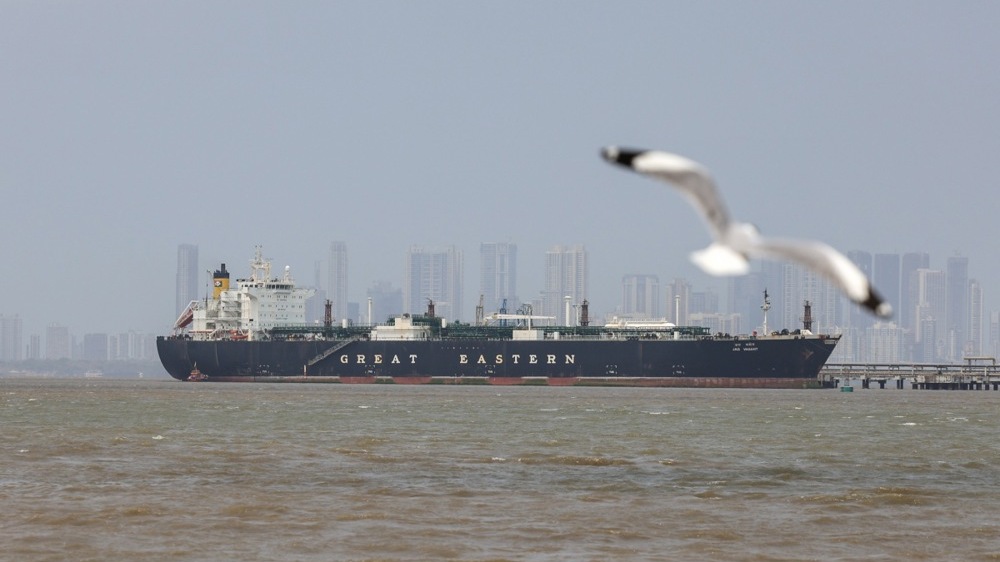
Twenty-one vessels in two days. That is exactly how many merchant and tanker ships crossed the Strait of Hormuz over the weekend of April 4-5 — the highest figure since the escalation around Iran began.
The Strait is 33 kilometers of water between Iran and Oman, through which approximately 20% of global oil trade passes. Tehran has repeatedly threatened to block it: in response to sanctions, US military presence, and support for Israel. The threats came and went — the strait kept operating. But the peak traffic happening right now requires explanation.
Why more vessels now, not fewer
The paradox is explained by several factors. First, some buyers of Iranian oil — primarily Chinese refineries — are increasing imports ahead of new American tariffs and possible strengthening of sanctions pressure from the Trump administration. Second, vessels that previously circumvented the region due to risks of Houthi attacks in the Red Sea are partially returning to traditional routes: Hormuz appears more predictable than Bab el-Mandeb.
In other words, the surge in traffic is not a signal of de-escalation. It is a signal that global logistics is recalculating risks in real time and choosing the lesser of two evils.
Iranian leverage: real or decorative
The Islamic Revolutionary Guard Corps Navy has technical means to partially disrupt shipping — mines, speedboats, coastal missile systems. But completely blocking the strait would mean hitting Iran's own oil exports, which use the same corridor, and would almost guarantee a military response from the US and its allies.
This is exactly why, despite a decade of blockade threats, it has never happened. Instead, Iran uses the strait as a tool of pressure — detaining individual vessels, demonstrating naval presence, simulating interception maneuvers. This is expensive for insurance markets and cheap for Tehran.
What record traffic changes
For Ukraine, the context is not abstract: the price of oil, which is shaped in part by Hormuz traffic, directly affects Russia's revenues. Every quarter when oil stays above $70 is billions added to the Kremlin's budget. Record traffic through the strait pushes prices down by increasing market supply — and this is one of the few indirect economic mechanisms to impact the Russian war machine that works without any Western decision.
If the Trump administration does strengthen sanctions against Iranian exports and traffic through Hormuz drops sharply — will the market be ready to compensate for the loss of Iranian volumes without a new price spike that would again fill the Russian treasury?



