Ukrzaliznytsia puts 212 tonnes of spent lubricants up for auction: why the state-owned company is selling rather than recycling
Ukrzaliznytsia is holding five auctions on Prozorro.Sales on April 7 — the starting price is 4.48 million hryvnias. Behind the numbers is a question the company has yet to resolve.

By Tetiana Suchkova-Ladik
March 30, 2026 · 1 min read
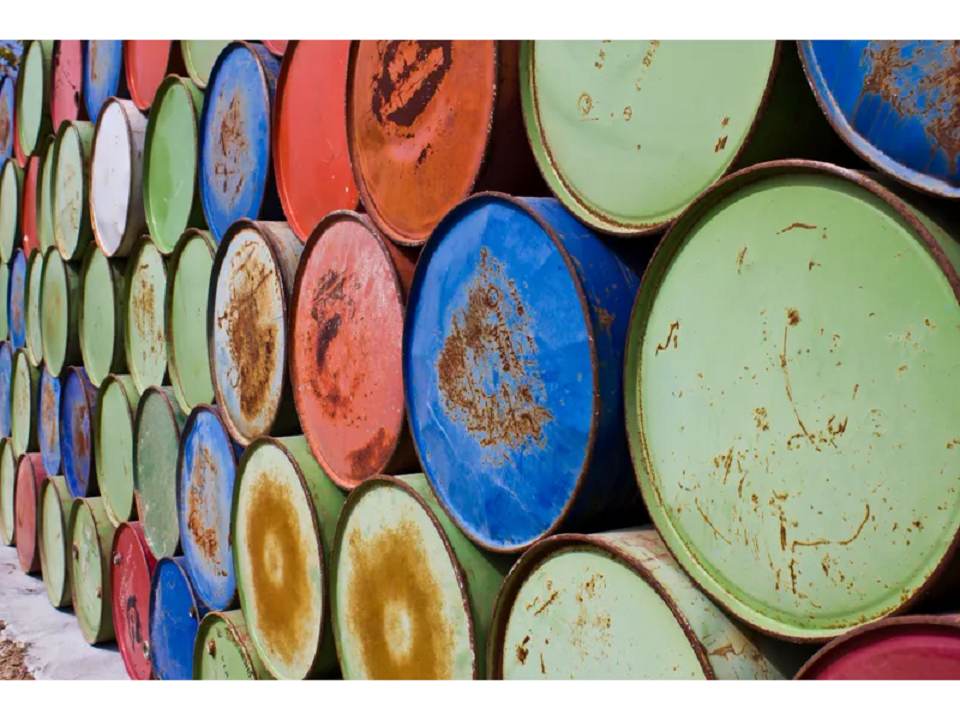
Ukrzaliznytsia has put up for auction 212 tons of used motor oils from its own locomotive fleet. Five lots will appear on the Prozorro.Sales platform on April 7 — the bidding will be English-style, meaning the price rises from a starting 4.48 million hryvnias.
Oils are a byproduct of railway operations. Ukrzaliznytsia accumulates them regularly but does not have its own processing capacities. The press service of Prozorro.Sales reported that the company had previously suspended this sales channel, and has now returned to it as the "most effective."
The auction addresses three tasks at once: disposal without violating environmental standards, additional income to the company's budget, and supplying the secondary raw materials market. Open bidding theoretically ensures competition among buyers and a market, rather than negotiated, price.
The logic is understandable — but only up to a point. Ukrzaliznytsia is one of the country's largest state-owned companies, with thousands of units of rolling stock. Selling used oils in batches of 212 tons through public tenders is an operational decision, not a strategic one. The company lacks its own processing capacities, and no public plans to create them or to sign long-term contracts with processors have been announced.
The question is not whether it is right to hold an auction — Prozorro exists as a mechanism precisely for that. The question is different: if Ukrzaliznytsia generates hundreds of tons of such raw material each year, why does the decision remain situational rather than systemic — and who ultimately profits from processing what the state company sells without processing itself?



