225 Captains and 44 Companies: How New Ukrainian Sanctions Are Weakening Russia's Shadow Fleet
Zelensky signed two decrees — the measures target seafarers and industrial contractors that service the Russian military‑industrial complex and transship oil to evade sanctions. We break down what practical impact this will have and what to expect from partners.

By Tetiana Suchkova-Ladik
February 21, 2026 · 2 min read
What happened
On February 21 President Volodymyr Zelensky signed two decrees No.130 and No.131, which introduced another package of sanctions against entities involved in circumventing restrictions on Russian energy exports and in supporting the Russian military‑industrial complex.
Who the sanctions affected
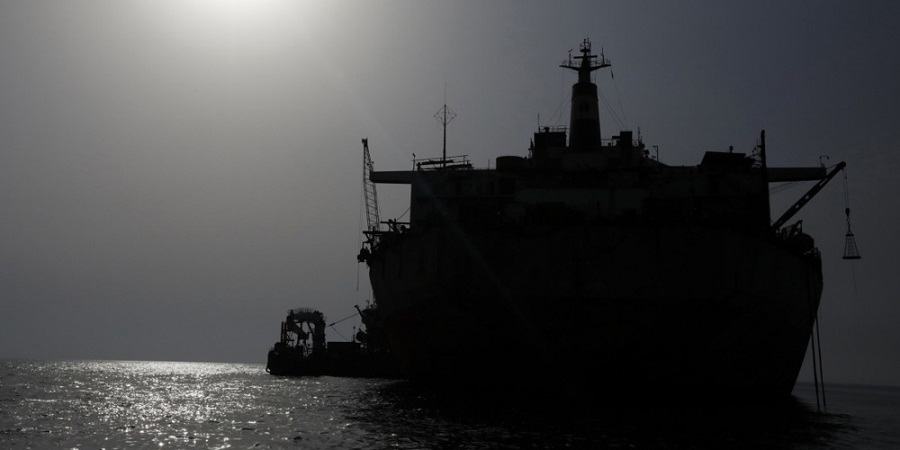
The first package affects 225 captains of vessels transporting Russian oil products in circumvention of EU and G7 sanctions. Among them are citizens of 11 countries (including Russia, India and the Philippines). Monitoring of shipping in the Black, Red and Baltic Seas recorded their involvement in operations of the so‑called “shadow fleet.”
The second package includes 46 Russian nationals, two Iranian nationals and 44 Russian companies that service the military‑industrial complex. Among the named enterprises are repair and manufacturing plants in Engels, Kazan, Murom, Saint Petersburg, Tver and other cities — those that supply spare parts, electronic warfare equipment, components for drones, rockets and armored vehicles.
"We must deter the desire to work with Russian oil, because that is direct financing of the war"
— Vladyslav Vlasiuk, presidential adviser on sanctions policy
Why this matters
The goal is not only personal punishments, but a systemic strike against the logistics that allow Russia to bypass restrictions. Hitting captains and fleet operators raises transactional and reputational risks for shipowners and insurers: it becomes harder to find crews, transport and maintenance costs increase, and the attractiveness of participating in such schemes declines.
At the same time, sanctions against defense‑industry enterprises aim to complicate access to repairs, components and scientific and technical support — this is direct work for the enemy’s armed forces, so the response is targeted at that part of the supply chain.
International context and synchronization
Kyiv shares information with partners for synchronization — an important element of sanctions effectiveness. Earlier, on February 12, restrictions were imposed on 91 vessels of the shadow fleet; at the end of January the NSDC had already coordinated measures with the EU, adding tanker owners and operators to the lists.
Analysts in the EU and the US stress: each national initiative has a greater effect if partners quickly pick it up and expand it — through additional banking, insurance and logistical restrictions.
What will change and what to expect
The impact of the sanctions builds gradually. In the medium term one can expect: more complicated technical maintenance of vessels, higher cost and greater complexity of insuring shipments, re‑registration of ships under other jurisdictions or attempts to disguise operations. This will not solve the problem instantly, but it will raise the price of continuing such schemes for the entire network of participants.
Ukraine has already announced its intent to expand the lists — the logic is simple: to weaken the financial and technical flows that sustain the aggression. Now the ball is with partners — moving from declarations to practical steps in coordinating sanctions and controlling logistics.
Summary
These decrees are another element of a systemic policy aimed at making sanctions circumvention harder and more expensive. For citizens this is a matter of security: every barrier where we complicate the adversary’s access to resources and equipment maintenance brings the end of his cycle of aggression closer. It remains important to closely monitor partners’ reactions and practical restrictions in ports, insurance and finance.



