300 generators from SECI: how 1.6 MW will bolster the energy resilience of key cities
A shipment totaling 1.6 MW and €417,000 arrives amid an energy crisis — we explain where the units will go, what they actually deliver, and why this matters right now.

By Tetiana Suchkova-Ladik
February 7, 2026 · 2 min read
Briefly
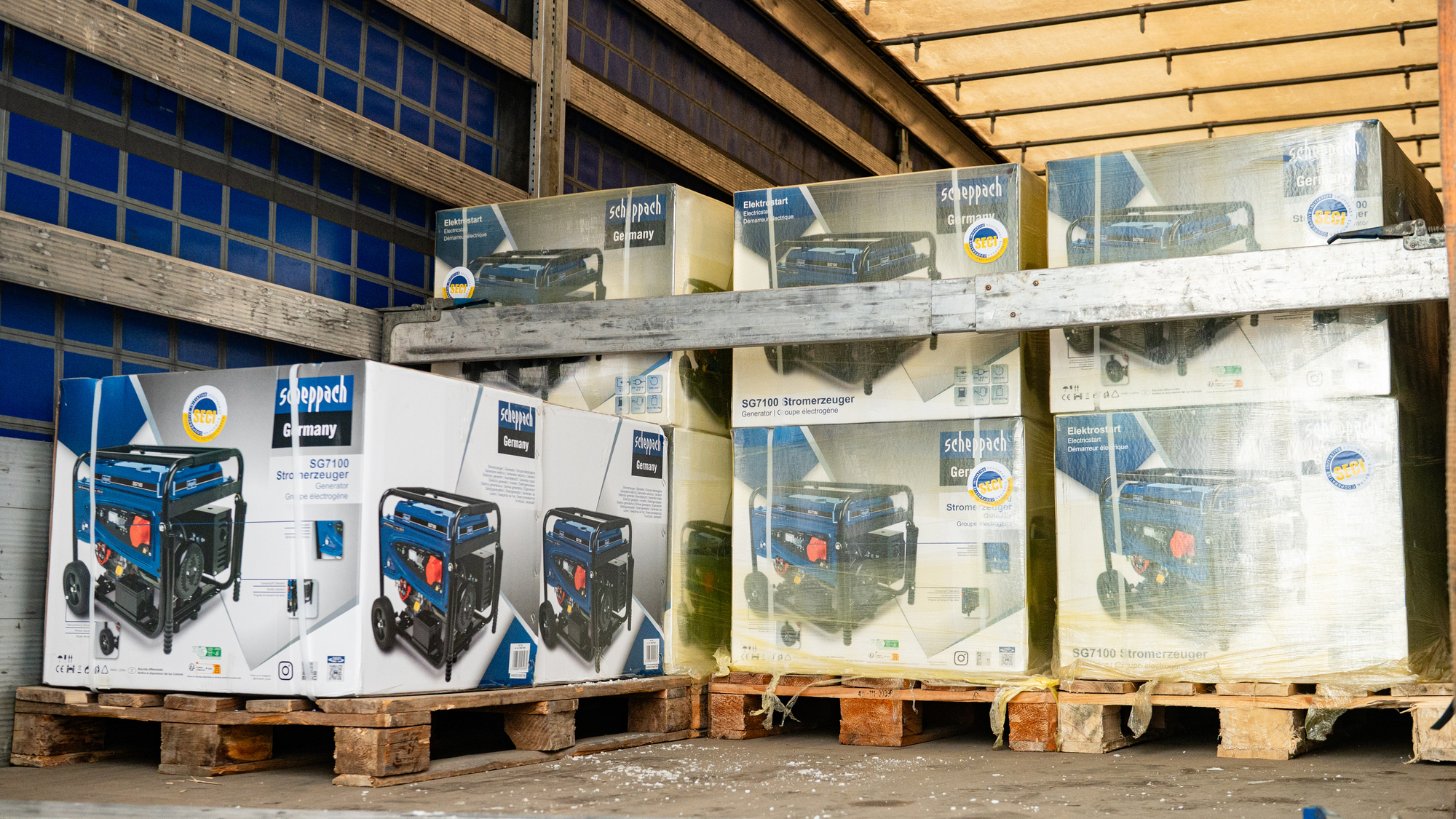
Ukraine received from the Southeast European Cooperation Initiative (SECI) 300 diesel generators with a total capacity of 1.6 MW and a batch value of €417,000. Deliveries come amid energy grid pressure — these units are intended not for convenience but for preserving critical services.
Who — and how many
The Ministry for Development of Communities and Territories clarified the distribution: Kyiv — 100 units, Odesa — 50, Sumy — 50, Kherson — 40, Mykolaiv — 50, Lviv — 10. Total cost — €417,000, meaning the cost per generator ≈ €1,390, average power per unit — ≈ 5.3 kW. This makes it possible to support autonomous power for individual hospital departments, heating centers and educational institutions.
Usage priorities
“Priority — hospitals, maternity wards, schools, kindergartens and other social-sector facilities”
— Oleksii Kuleba, Vice Prime Minister for Restoration, Minister for Development of Communities and Territories
The distribution follows tactical logic: the list includes facilities with high life-risk and social-stability risk during outages. In the context of current attacks on energy infrastructure, this is a primary measure to minimize human and social costs.
Why it matters now
According to Energy Minister Denys Shmyhal, on the night of February 7 Russia struck substations and high-voltage lines (750 kV and 330 kV) with drones and missiles, as well as the Burshtyn and Dobrotvir thermal power plants. As a result, most regions experienced emergency outages; a state of emergency in the energy sector has been in effect since January 14 due to the combination of attacks and a sharp cold snap. Under such conditions, small-scale mobile power sources are a quick way to provide vital services where line repairs and station restorations take days or weeks.
What experts say
Energy sector analysts emphasize: generators are an effective tactical tool but not a replacement for systemic grid restoration. They are useful for securing autonomy of critical facilities, but require logistics (fuel, maintenance, delivery), which determines their practical usefulness in the medium term.
Conclusion
The delivery of 300 generators from SECI is not a large-scale infrastructure reform, but neither is it a symbolic gesture: it is a targeted strengthening of social facilities at the most vulnerable moment. The next step for the state and partners is to turn such deliveries into a systemic resilience program: backup capacity, fuel supply plans and maintenance services. Whether this will be enough to keep communities safe in the coming weeks depends on the speed of coordination and further deliveries from partners.



