340,000 barrels per day: why NORSI's shutdown hurts not only Lukoil
After a drone strike on April 5, an oil refinery that produces 11% of all Russian gasoline shut down. But the biggest problem is not the fire, but the fact that Russia has been unable to repair the installation since 2022.

By Tetiana Suchkova-Ladik
April 7, 2026 · 2 min read
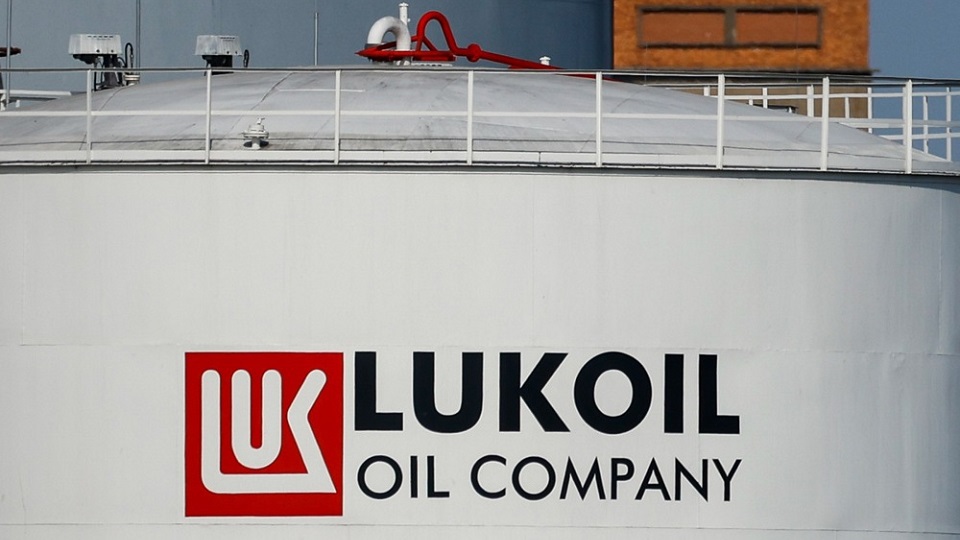
On the night of April 5, Ukrainian drones struck the Lukoil-Nizhnegorordsintez (NORSI) oil refinery in Kstovo, Nizhny Novgorod region. The plant halted production — Reuters confirmed this citing its own sources.
What burned and why this is not "just a fire"
The strike hit the L-24/300 hydrotreating unit — a node responsible for producing commercial gasoline and diesel of standard suitable for use. This is not auxiliary infrastructure: without it, the refinery can process crude oil, but cannot obtain the final product of the required quality.
According to Reuters, NORSI's capacity is approximately 405,000 metric tons of gasoline per month, or 11% of total Russian production. Monthly downtime will cost Lukoil approximately $100 million in lost revenue.
Sanctions made repairs a structural problem
The attack struck a plant that had serious problems even without drones. In early 2024, NORSI's gas compressor turbine broke down. It turned out that the only company that knew how to repair it was the American UOP, the oil refining division of Honeywell. After the 2022 invasion, it left Russia.
"They rushed to find spare parts and found nothing. Then the entire unit just shut down,"
— a source close to Lukoil, Reuters
Since all major Russian refineries use at least some Western equipment, sanctions have turned each subsequent attack into potentially irreversible damage. Restoration is possible, but not with the same equipment and not with the same expertise.
Context: systemic pressure, not a single strike
NORSI was not attacked for the first time — the plant suffered damage earlier in 2025. In parallel, Ukraine is striking oil export terminals: Primorsk on the Baltic and Ust-Luga have already been hit this year. According to KSE analysts' estimates, cumulative losses remain moderate against Russia's projected $160 billion in oil revenues in 2025 — but this assumes the pace of attacks does not increase.
As analyst Sergiy Vakulenko notes, sustained pressure requires maintaining the March pace of strikes. Shutting down one unit is an acceptable loss for the system. Shutting down five simultaneously — it is not.
If Lukoil confirms that the L-24/300 unit requires equipment replacement under sanctions, the question becomes concrete: will Russia find a workaround for supplies through third countries — and how quickly will the West detect this?



