€350 million suspended: MHP leaves Sisak after environmental audit and protests by thousands of Croatians
A vertically integrated poultry farming project in Croatia has been frozen — the environmental assessment failed, and the community took to the streets. MHP is reorienting toward Slovenia and Spain.

By Tetiana Suchkova-Ladik
May 25, 2026 · 3 min read
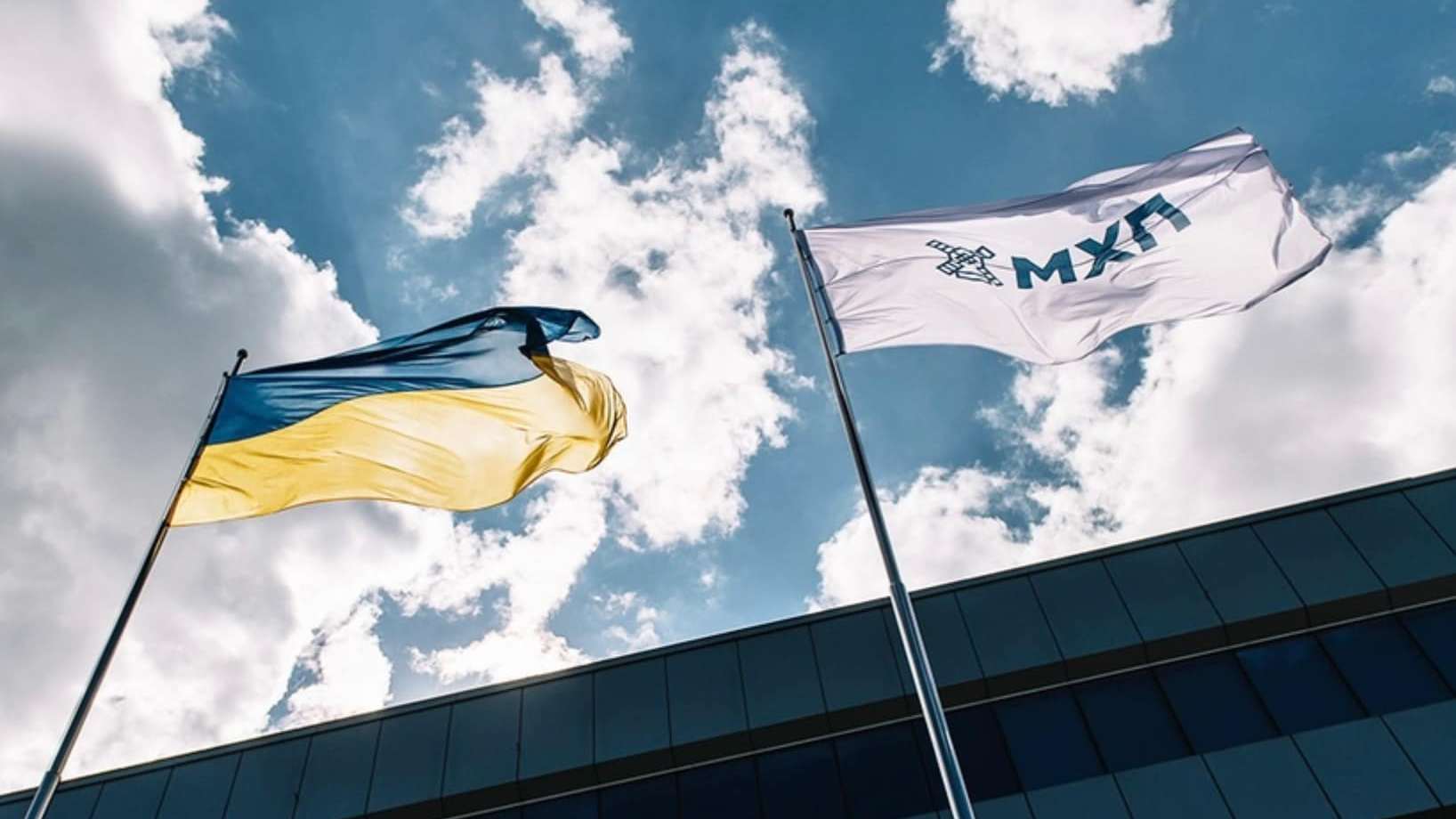
Ukrainian agribusiness group MHP owned by Yuri Kosyuk has paused its project in Croatia's Banovina region near the city of Sisak. Kosyuk discussed this in an interview with Croatian publication Jutarnji list. However, the official formulation about "preparatory work" conceals a more specific picture.
What was planned and what stopped it
Since early 2023, MHP had been developing an investment of €350 million in a complete production cycle near Sisak — over 200 poultry farms, a compound feed plant, an incubator, a slaughterhouse and a processing facility. Capacity would have been approximately 30 million chicks per year. According to Kosyuk, this was supposed to be part of MHP's strategy to strengthen its presence in Southeast Europe.
The official reason for the pause is that environmental study results did not align with the "mutual expectations" of the company and its partners. As Just Food reports, MHP confirmed that the analysis revealed an "insurmountable barrier" to implementing the plans.
"The project was supposed to strengthen the potential of the domestic food industry, fortify the country's food security and contribute to the region's economic development."
From MHP's official statement
In parallel, there was mass resistance. In February 2025, several thousand people protested in Zagreb against industrial poultry farms and slaughterhouses in the Sisak-Moslavina region. The demonstration was organized by environmental organization Zelena akcija and human rights advocates Prijatelji životinja. Activists pointed out that the planned facilities were located near rivers, drinking water sources, schools and kindergartens. In April 2026, approximately 3,000 people gathered directly in Sisak — the movement continues to grow.
Where MHP is heading instead
After exiting Sisak, the company focused on Perutnina Ptuj — a Slovenian poultry producer acquired in 2018–2019. Since the purchase, Perutnina Ptuj's production has grown by 60% — from 88 thousand tons to 140 thousand tons per year, and revenue has doubled: from €271 million to €532 million. MHP has also already invested €44.5 million in Perutnina Ptuj's Croatian subsidiary — Pipo.
Meanwhile, in August 2025, MHP closed a deal to acquire over 92% of the shares of Spanish Grupo UVESA — one of Spain's leading vertically integrated poultry and pork producers with annual turnover exceeding €638 million. Just five months after closing the deal, UVESA brought MHP $318 million in revenue — 8.5% of the entire holding's income for 2025.
Overall, MHP's revenue in 2025 grew by 24% — to $3.77 billion, net profit — by almost 30%, to $187 million. As Latifundist analyst Oleksiy Kozachenko notes, the UVESA acquisition "looks like the same strategic success as the purchase of Perutnina Ptuj in 2018."
Croatia — exit or pause
MHP has not officially abandoned Croatia. Kosyuk confirmed that the company is interested in a presence in Southeast Europe and continues to analyze opportunities. However, "pausing" a €350 million project after two years of preparation and environmental assessments is not a technical delay. This is a decision that effectively means searching for another location or another entry model.
It is telling that another major investor in the region — Premium Chicken Company — continues to seek permits in Sisak-Moslavina despite the same public resistance. Croatian authorities are currently balancing between attracting investment and pressure from the streets.
If MHP does return to Croatia — in a different district or with a smaller format — this would confirm that the decision is indeed temporary. If the company's next report contains no mention of Croatian plans, the "pause" will become a veiled retreat.



