40 Years Without Prozorro: Chornomorska Concession Enters Bidding Phase on Terms
The competitive dialogue tender commission has launched a 75-day competitive dialogue with investors regarding two terminals at the Port of Chornomorsk — Ukraine's largest port PPP project in history is proceeding without mandatory electronic bidding oversight.

By Tetiana Suchkova-Ladik
May 13, 2026 · 2 min read
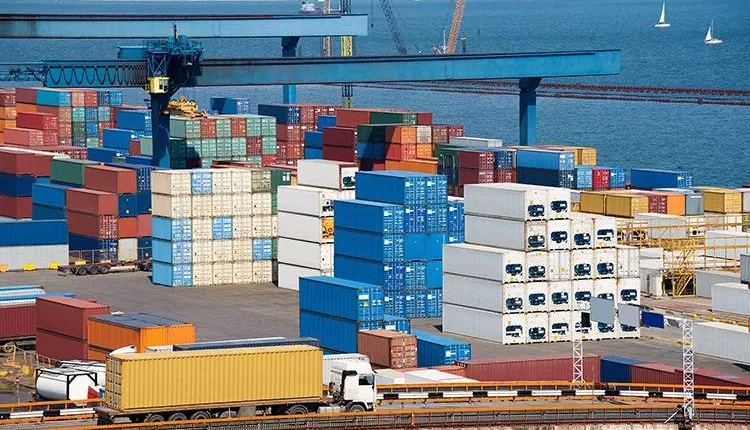
On May 13, the tender commission officially opened a competitive dialogue with potential investors competing for a 40-year concession of the First and Container Terminals of the Chornomorsk Maritime Trade Port. All admitted participants signed non-disclosure agreements and gained access to project documentation. The dialogue will last 75 days.
What the numbers mean
According to Vice Prime Minister Oleksiy Kuleba, more than 40 international port operators and investors from four continents have expressed interest in the competition. If successfully implemented, the state could receive up to $1 billion over 40 years. The capacity of the two terminals is up to 760,000 TEU and over 5 million tons of cargo per year; in 2025, the port's container traffic has already grown by 66%, to 215,748 TEU.
The competition is supported by the EBRD and the International Finance Corporation (IFC) — their participation is presented as a guarantee of compliance with international standards.
The mechanism — and questions about it
The competitive dialogue format provides that the final project model — investment commitments, technological solutions, risk distribution — is formed during negotiations with pre-qualified participants, rather than being predetermined by an open tender. This means: the state and investors together write the rules of the game after the pool of players is determined.
"A concession is not privatization; the state retains ownership rights and controls the investor's performance of obligations"
First Deputy Minister Alona Shkrum
However, in December 2024, the Cabinet of Ministers by Resolution No. 1613 postponed until 2027 a requirement obligating concession competitions to be conducted through Prozorro. This means the country's largest infrastructure PPP project will take place without a mandatory public electronic system — the same system that became the standard for fighting corruption in procurement.
Critics point to a paradox: the State Enterprise "Chornomorsk Maritime Trade Port" reported revenue of 1.9 billion hryvnias and net profit of 760 million hryvnias in 2024, with assets of 2.5 billion hryvnias — the enterprise is profitable. The question of whether it needs external management remains without a public response from the Ministry of Development.
Three stages — and where the control is
- Pre-qualification — completed: financial capacity and experience in managing port facilities were verified.
- Competitive dialogue — current stage, 75 days: formation of the final project model together with participants.
- Submission of proposals and evaluation — selection based on technical and financial criteria, signing a contract with the winner.
The control mechanism after contract signing — investor KPIs, termination conditions, sanctions for non-performance — has not been publicly disclosed.
If during the 75-day dialogue period the state does not fix in public access the specific investment commitments of the winner before contract signing, "the largest PPP project in Ukraine's history" will remain a statement of intent with a 40-year horizon and without a verified implementation mechanism.



