€55 million for a grain elevator in Lviv Oblast: how the investment strengthens grain logistics and processing
The new 40,000-ton elevator is not just a storage facility. It is an investment in the value-added chain, jobs, and the export resilience of Western Ukraine.

By Tetiana Suchkova-Ladik
January 7, 2026 · 2 min read
Facts
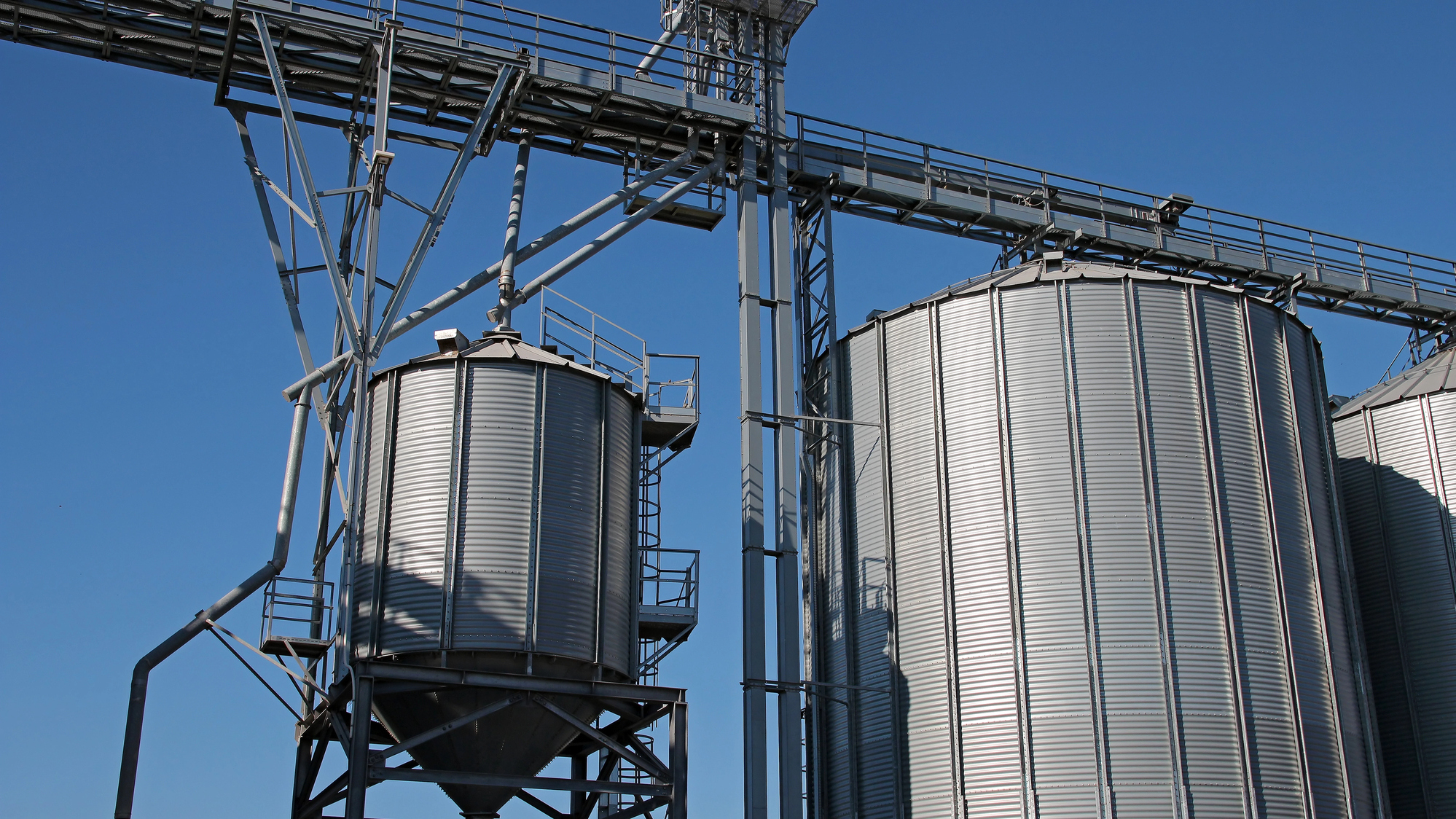
UkraineInvest and LLC «Zerno Elevate» have signed a memorandum to support an investment project in agrologistics and processing. Total investment is about €55 mln. The project foresees construction of an elevator complex in Lviv region with simultaneous storage of up to 40 000 tonnes of grain and the subsequent establishment of processing capacities for rapeseed and production of protein raw material (feed/meal).
Why this matters
In the short term — this reduces the storage deficit in the western region, makes export logistics more convenient, and lowers seasonal congestion on roads and port-side facilities. In the medium term — the emergence of processing means more added value in Ukraine, not just export of “raw” grain.
The investment also has a social dimension: the complex will create new jobs in the region and deliver a multiplier effect for related services — logistics, equipment repair, storage of packaging materials, etc.
"The implementation of the project is aimed at reducing the deficit of elevator capacities, developing the logistical infrastructure of the western region, and creating new jobs. The choice of location is determined by the region's cross-border logistical potential"
— LLC «Zerno Elevate»
The role of UkraineInvest and the context
Under the new memorandum UkraineInvest will support the project at all stages: from interaction with authorities to advice on access to financing, insurance and state support programs. It is a signal to the market: the state institution not only acknowledges the project but helps remove barriers for the investor.
Additional context — a change of leadership at Office UkraineInvest (on October 2 Marina Khlystun took charge of the agency). For investors, strengthened support and stable contacts with the authorities are an important marker of trust.
What’s next
The memorandum is the first step; the key issues now are financing, risk insurance, obtaining permits and the pace of construction. Agricultural sector analysts note that similar projects become a marker of investor confidence in Ukraine even during times of uncertainty.
If the project is realized within the planned parameters, it will reduce bottlenecks in storage and add processing capacity, which will strengthen supply chain resilience and become an additional argument in export negotiations. The task now is to turn the memorandum into concrete investment steps: will funding sources be found and how quickly will permits and logistical challenges be overcome?



