577,000 tons of diesel per month — and the price question remains open
March 2026 set a record for diesel imports since 2021: fuel supplies will be sufficient, but traders are still uncertain about prices in April.

By Tetiana Suchkova-Ladik
April 6, 2026 · 2 min read
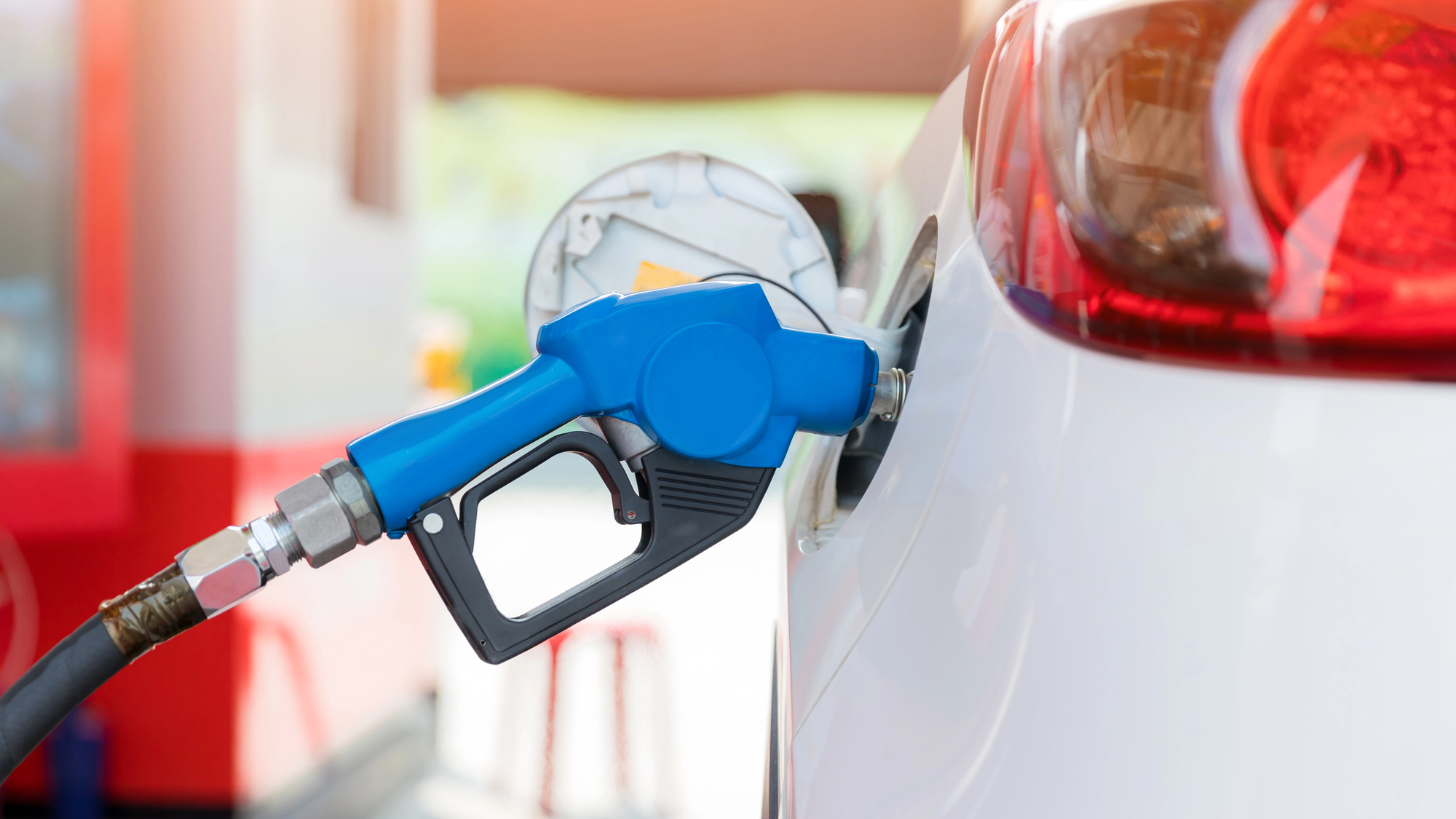
In March 2026, Ukraine imported 577,000 tons of diesel fuel — the largest amount for any March since 2021. According to consulting group "A-95," this is 27% more than in February and 12% more than a year ago. But behind the record figures lies not a market triumph, but a forced reaction to global chaos.
Why so much — and why right now
Following the destruction of the country's main oil refinery by Russian missile strikes, Ukraine switched to almost complete imports: 85%+ of light petroleum products come from abroad, mainly from Western, Central, and Southern Europe. The March surge is not an increase in consumption, but advance stockpiling in response to alarming signals from the global market.
The trigger was the war in Iran. Wholesale diesel prices in Europe, at which Ukraine purchases fuel, skyrocketed to record levels at least since the beginning of the 1970s. The director of "A-95," Serhiy Kuyun, described it without diplomacy:
"The London ICE exchange closed on gasoil at the $1521/t mark, with a daily increase of $155/t. Over March — an increase of more than twofold. This is a record for the last… I don't even know if such prices ever existed."
Serhiy Kuyun, director of consulting group "A-95"
In parallel, in February Hungary halted diesel exports to Ukraine, which further narrowed supply routes and forced traders to seek alternatives.
Zelenskyy in the Middle East — and what exactly he signed
On March 28, returning from a tour of the Persian Gulf, President Zelenskyy announced that he had reached an agreement for diesel supplies for at least a year. According to him, the implementation of this agreement falls to "Naftogaz" and relevant companies. As reported by NV citing WSJ, during the same tour Ukraine concluded 10-year cooperation agreements with Saudi Arabia and Qatar — including in the defense sector and regarding the supply of marine drones; an agreement with the UAE is in the development stage.
However, the diesel agreement remains a framework: specific volumes, prices, and logistics routes have not been publicly disclosed. Implementation rests with the private sector, not the state.
April: fuel exists, price is the question
The March record import created, according to Kuyun, "a fairly decent transitional reserve" for April. Retail networks have locked in contracts. There is no shortage. But prices at gas stations already reflect the new reality: as of the end of March, diesel at major networks cost an average of 85.76 UAH/liter, and Ukraine entered the top ten countries worldwide in terms of price increases — +33.9% per month.
April contracts are formally closed, but their price has not yet been finalized: suppliers waited until the last moment, expecting signals from the market. If stock exchange quotes remain at current levels — the purchase price for Ukraine in April could turn out to be even higher than in the record March.
Separately, the government launched fuel cashback — a mechanism of partial compensation for consumers — which indicates recognition of social pressure from rising prices.
The question is not whether there will be diesel in April — there will be. The question is whether traders will be able to maintain margins if ICE surges again: Zelenskyy's agreement with the Middle East stabilizes volumes, but not price.



