620 Planes Without Collateral: How Ryanair Repaid Its COVID-Crisis Debt and What It Means for Competitors
# Irish Low-Cost Airline Redeems €1.2 Billion Bond Issuance The Irish budget carrier has repaid its final bond issue worth €1.2 billion — the same debt taken out during the pandemic at a record-low rate of 0.875%. With its entire fleet now debt-free, the company gains a systemic advantage over Lufthansa, easyJet, and other competitors who continue paying for aircraft leasing and expensive credit facilities.

By Tetiana Suchkova-Ladik
May 25, 2026 · 3 min read
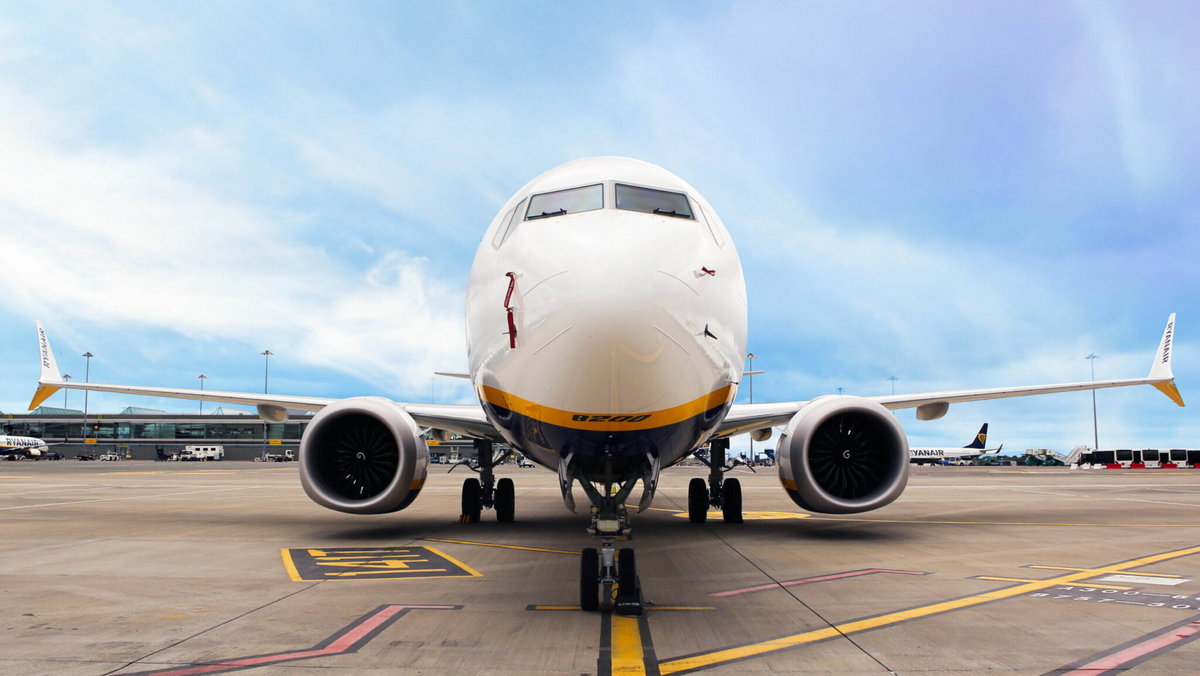
On May 25, 2025, Ryanair repaid euro-denominated bonds worth €1.2 billion — and for the first time since its listing in 1997, became a company with zero debt obligations. This is more than just an accounting entry: behind it stands a fleet of 620 Boeing 737 aircraft, which are now unencumbered assets of the company.
Debt Born of the Pandemic
The bonds that Ryanair has just repaid were issued in May 2021 — at the height of the COVID crisis, when the aviation industry had virtually ground to a halt. At that time, the company raised €1.27 billion at a record-low coupon rate of 0.875%. The rate reflected the zero-rate market conditions of that time, but within a year the interest rate environment had radically changed — and for competitors, this meant significantly more expensive debt servicing and leasing contracts.
Ryanair, however, repaid this debt from its own cash flow: according to the company, as of March 31, 2026, gross cash reserves amounted to €3.6 billion, with net cash at €2.1 billion.
What "Debt-Free" Means in Aviation
In the aviation industry, financing structure is not a neutral parameter but a competitive weapon. Airlines that hold their fleets in leasing arrangements or finance them through loans bear fixed costs regardless of how many passengers they carry. Ryanair, which now owns over 90% of its fleet outright without encumbrances, eliminates this pressure.
"This further widens the cost gap between us and competitors who depend on long-term financing and leasing."
Neil Sorahan, Chief Financial Officer of Ryanair Group
According to the Economist, Ryanair's profit margin already stands at approximately 15% — compared to an industry average of 4%. The absence of debt servicing costs locks in this advantage structurally, not situationally.
The Shadow of Compromise: Liquidity Below Market Standards
There is, however, a flip side. After repaying €1.2 billion, Ryanair's total cash reserves will shrink to approximately €2.4 billion — roughly 15% of annual revenue. Most major airlines maintain liquidity at 20–30% of revenue. For a company with stable cash flow and a credit rating of BBB+ from Fitch and S&P, this is likely an acceptable risk — but there is less room for unexpected shocks.
Next Round: MAX-10 and Return to the Debt Market
Sorahan was clear: the company is not leaving the bond market for good. From 2029 onwards, Ryanair plans to receive up to 50 Boeing 737 MAX-10 aircraft annually — to execute its ambitious plan to carry 300 million passengers per year by 2034. For this program, the company will "opportunistically" return to debt financing — but from a position of zero starting debt, which provides significantly better terms.
- 620 Boeing 737 aircraft owned without encumbrances
- €2.1 billion in net cash after repayment
- 80% of aviation fuel needs for FY2027 hedged at approximately $67 per barrel
- Target passenger volume: 216 million in FY2027 (+4% from FY2026)
Meanwhile, the first quarter of FY2027 already signals pressure: fares, according to the company's forecast, could be lower than last year by a few percent in the mid-range — due to high fuel prices and demand uncertainty. The unhedged 20% of fuel expenses at current spot prices above $150 per barrel remains an open risk.
If aviation fuel prices remain above $130 per barrel through the end of 2025, and competitors receive a reprieve through the return of Airbus from Pratt & Whitney engine repairs — Ryanair's zero debt will make the company not just more stable, but the only major player capable of expanding its fleet without debt pressure. That is when it will become clear whether this event is truly a turning point — or merely a symbolic accounting entry.



