66 units from JICA: How Japan is strengthening the resilience of frontline communities
20 modular wards, 40 units of heavy equipment, and an operator training simulator — aid that guarantees services and will speed up recovery. We explain who it benefits and why it matters right now.

By Tetiana Suchkova-Ladik
January 5, 2026 · 2 min read
Briefly
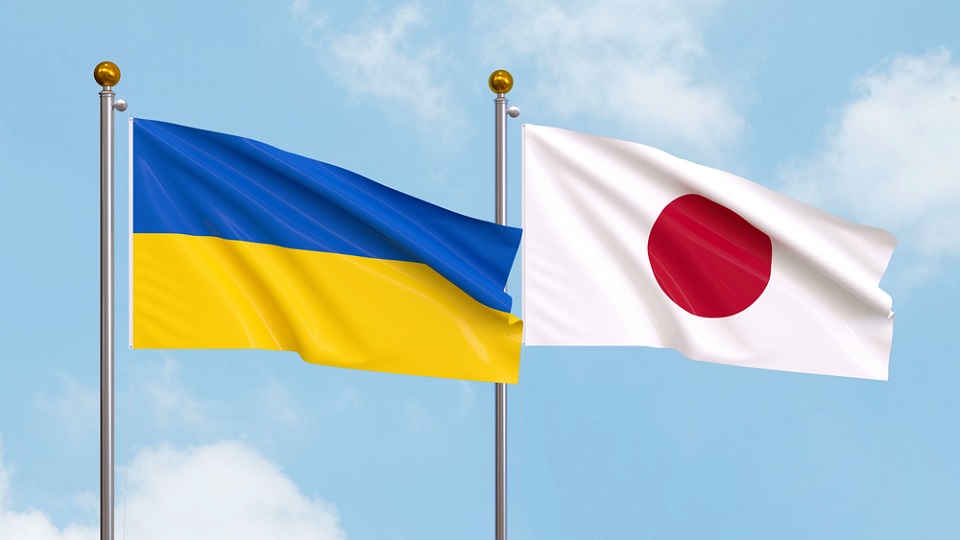
Japan, through the Japan International Cooperation Agency (JICA), will deliver 66 units of equipment to Ukraine’s frontline regions as part of an emergency recovery and reconstruction project, the Ministry for Communities and Territories Development reports. Purchases are being carried out by the Japanese side; the equipment is expected to arrive within the next six months.
What communities will receive
20 modular Ukrposhta branches — mobile postal hubs for towns and settlements where permanent branches have been destroyed or damaged. These ensure uninterrupted provision of postal and financial services under limited infrastructure.
40 units of heavy equipment for clearing rubble and carrying out municipal works, allocated to the Sumy, Zaporizhzhia and Chernihiv regions.
The training center in Bila Tserkva will receive a modern training simulator for preparing operators of heavy construction machinery and five units of construction and cargo equipment for practical student training.
Why this matters
This assistance is not just about machines. Modular branches restore access to basic services (postal services, benefit payments, business activity), reducing time costs and risks for residents in frontline areas. Heavy equipment will speed up the removal of damage from shelling and allow municipalities to restore infrastructure faster.
Investment in the simulator raises the quality of workforce training: equipment will be used more efficiently, reducing the risk of accidents and downtime — a direct contribution to the operational resilience of communities.
"Japan remains one of our key strategic partners, whose support is systemic and timely. It is critically important for us to ensure the livelihood of frontline regions that face shelling daily. This assistance is not just equipment; it is the ability of communities to recover quickly, provide basic services to people, and become more resilient despite all the challenges of war"
— Oleksii Kuleba, Minister for Communities and Territories Development
Context and social proof
JICA is a governmental agency of the Japanese government that works with Ukraine on an ongoing basis: in March it considered financing energy and infrastructure projects, and in December it presented models of financial cooperation to support businesses. For us, this is not a one-off gesture but a continuation of a long-term partnership that is being transformed into concrete resources on the ground.
What’s next
Now the key is timely logistics, staff training and the integration of equipment into local services. Over the next six months it will be important to assess not only delivery but also the efficiency of use: these are the indicators that change the daily lives of people in frontline communities.



