75% of state assets are deadweight. New head of SFMS opened "cluttered closets"
Dmytro Natalukha conducted the first audit after 18 months of leaderless management at the Fund — and received a bleak picture: most of the objects in the privatization queue are not worth the paper spent on them. But the real problem lies not in the waste, but in what remains.

By Tetiana Suchkova-Ladik
April 6, 2026 · 2 min read
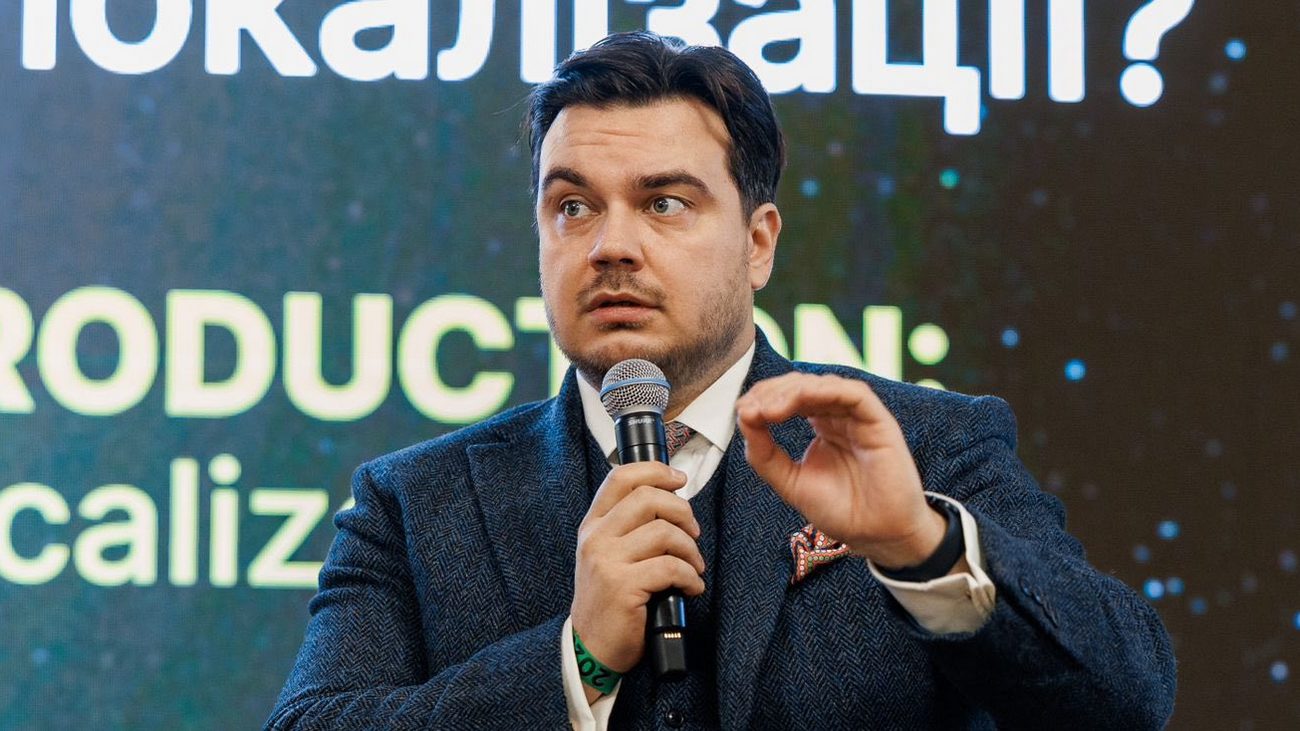
Dmitro Natalukha took over the State Property Fund on January 14, 2026 — the fifth leader during the full-scale war. He inherited a structure that had been operating without a leader for over a year and a half: a vacant accounting department, no audit vertical. The first thing the new team did was conduct an inventory.
What the audit revealed
The results were striking. Of more than a thousand small privatization objects, only a quarter have real value. Of 19 major privatization objects — 53% Natalukha characterizes as having no prospects.
"We simply opened old cluttered cabinets and looked at what was inside. And quietly gasped."
Dmitro Natalukha, head of the State Property Fund — Facebook
This is not an abstract figure. According to Slovo i Dilo, in the first ten months of 2025, privatization brought 2.9 billion hryvnias to the budget — despite the fact that planned indicators have been systematically missed for years. The state had been putting up for sale things that no one wanted to buy — and counting them as assets.
The problem is not junk — but what remains
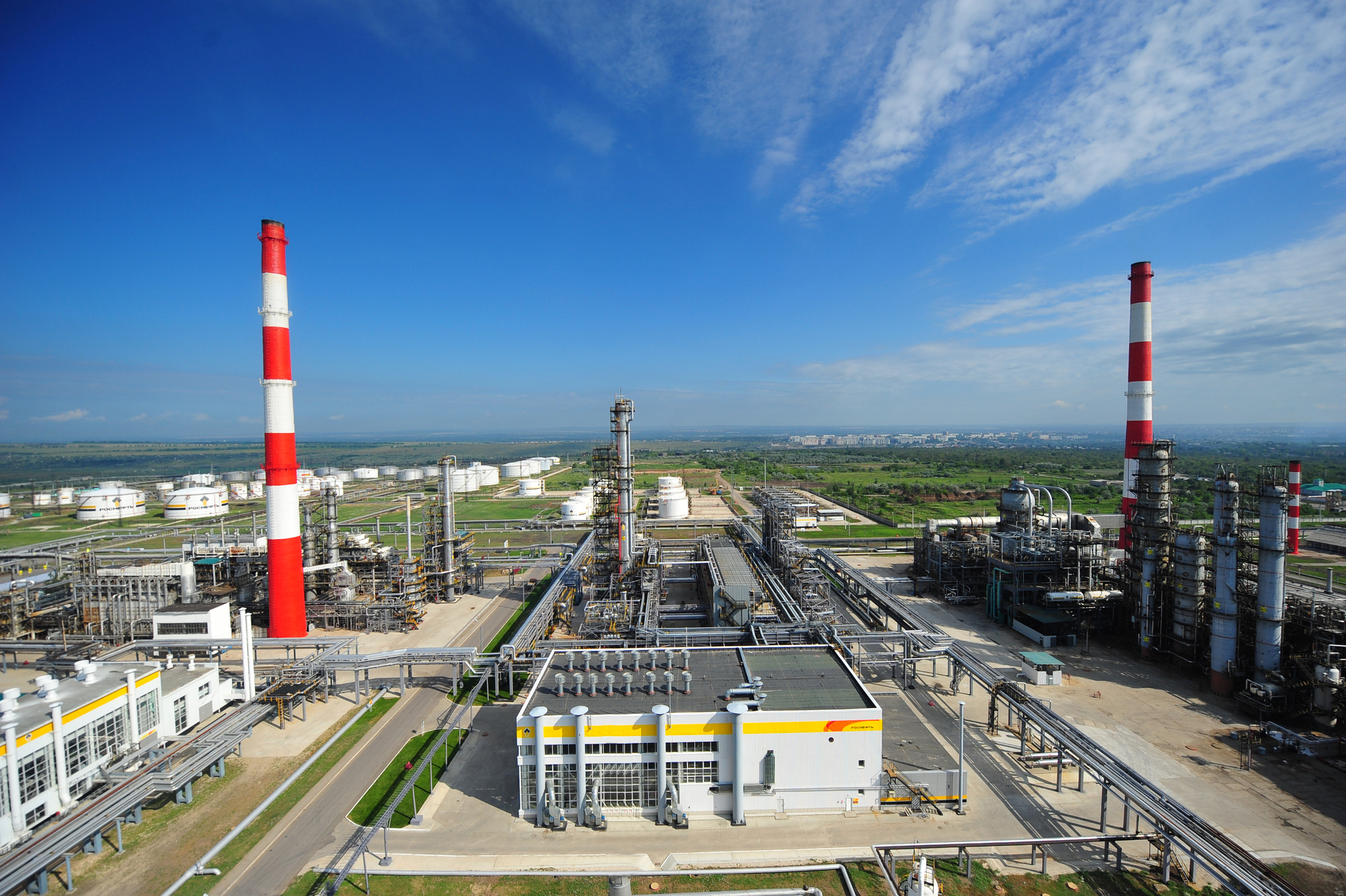
Among the "promising" major privatization objects are the Odesa Port-Side Plant (OPZ), Ocean Plaza shopping center in Kyiv, the Demurinsky mining and processing plant, and the Mykolaiv alumina plant. According to Inventure, the State Property Fund plans to put these four assets up for sale in the near future.
But they are all complex deals. OPZ is constrained not only by a debt to Ostchem of $193 million, but primarily by military risk: the plant is located in Odesa region in the zone of missile strikes. According to Natalukha, precisely "the flag, status or international reputation" of the buyer could become a real guarantee of the asset's safety — in other words, the Fund is essentially seeking a strategic investor with geopolitical backing.
"Hidden privatization" as a systemic problem
According to Forbes Ukraine, Natalukha identifies another problem — deeper than the registry of unnecessary objects. At state enterprises that are formally not privatized, a scheme has operated for years: profits go to management, losses go to the budget. He calls this "hidden privatization through management."
To break this logic, the State Property Fund is considering a new model: managing state assets as a single investment portfolio, changing management at strategically important enterprises, and preparing some of them for IPO or partial sale of the state stake. According to Mind.ua, as early as 2026, the Fund may conduct a large-scale audit of assets under management and change leadership at key enterprises.
The audit revealed the scale of neglect. But the list of "promising" objects — OPZ, the alumina plant, Ocean Plaza — are assets that previous teams failed to sell for years, and each carries separate legal, debt, or security risks.
If the State Property Fund sells even one major object by the end of 2026 on transparent terms and at market price — this will be the first real test of whether the fund's logic has changed, not just its leader.