800,000 left without power in Dnipropetrovsk region after massive strike — what it means for the region
A massive strike on energy infrastructure on the night of January 8 almost completely cut power to Dnipropetrovsk Oblast and partially to Zaporizhzhia Oblast. Rescuers and energy crews are working around the clock — we explain the consequences for people and critical infrastructure and why restoration may be protracted.

By Tetiana Suchkova-Ladik
January 8, 2026 · 2 min read
What happened
As of the morning of January 8, about 800,000 consumers in Dnipropetrovsk region remain without power, the Ministry of Energy reports. The reason is a massive Russian strike on energy infrastructure facilities during the night of January 8.
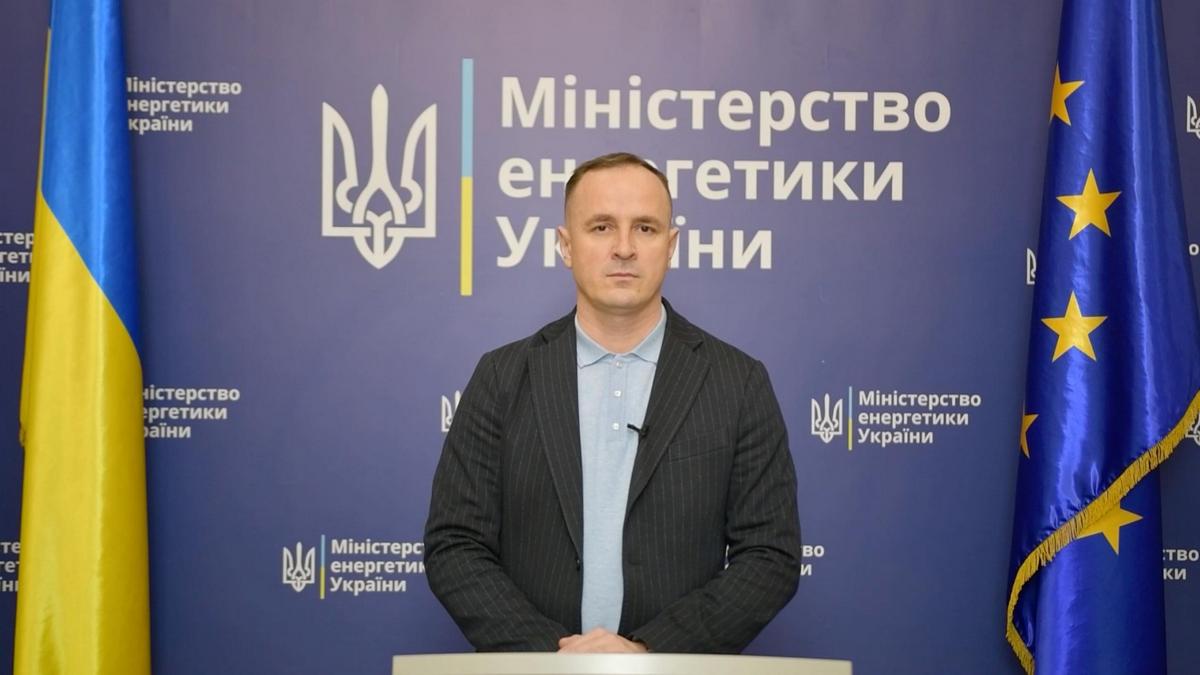
"Repair work is ongoing. Social and critical infrastructure facilities are partially powered."
— Acting Minister of Energy
Where and what the consequences are
The hardest hit were Dnipropetrovsk and Zaporizhzhia regions. Power has already been restored in Zaporizhzhia, but most of Dnipropetrovsk region remains without electricity. According to the State Emergency Service (SES), the strikes affected Dnipro, Kryvyi Rih and Pavlohrad districts — fires broke out at the impact sites, and extinguishing them continued until morning. Fortunately, officials report no casualties or injuries.
Restoration work
Energy holding DTEK said repair crews have been working since night without breaks. Restoration is complicated by the scale of the damage: it involves not only line breaks but also substantial destruction of substations and fires.
"Once we power all critical infrastructure, we will do everything possible to restore electricity to families as quickly as possible."
— DTEK press service
Wider context: emergency outages and weather
Alongside repairs in Dnipropetrovsk region, emergency outages were implemented in other regions: Kharkiv, Poltava and Sumy regions, and scheduled outages were in effect in parts of Donetsk region not under occupation. In the west and north — in Chernihiv, Kyiv, Ivano‑Frankivsk and Zakarpattia regions — some communities remained without power due to weather-related disruptions.
Why this matters
Attacks on the energy sector have two aims: to physically damage the network and to weaken the resilience of civilian infrastructure. For people, this means risks to heating, healthcare, possible problems with mobile communications and water supply. Recovery requires not only crews but also transformers, components and coordination — resources that are not always available in large quantities immediately.
What’s next
Work is continuing around the clock, but exact timelines for full reconnection are unknown and depend on the scale of the damage and the logistics of supplying spare parts. the Ministry of Energy, DTEK and the State Emergency Service are coordinating actions on the ground; the priority is social and critical facilities. The question for partners is whether there will be enough resources and spare parts to speed up full restoration of electricity for all households.
Sources: Ministry of Energy of Ukraine, DTEK, State Emergency Service (SES) — official statements as of January 8.



