Advent and FedEx are buying InPost for €7.8 billion — what it means for European logistics
A consortium led by Advent and FedEx is buying the Polish parcel locker operator InPost for €7.8 billion. We explain why this matters for the delivery market, competitors, and potentially for Ukrainian exporters.

By Tetiana Suchkova-Ladik
February 9, 2026 · 2 min read
Money loves silence: why it’s worth paying attention
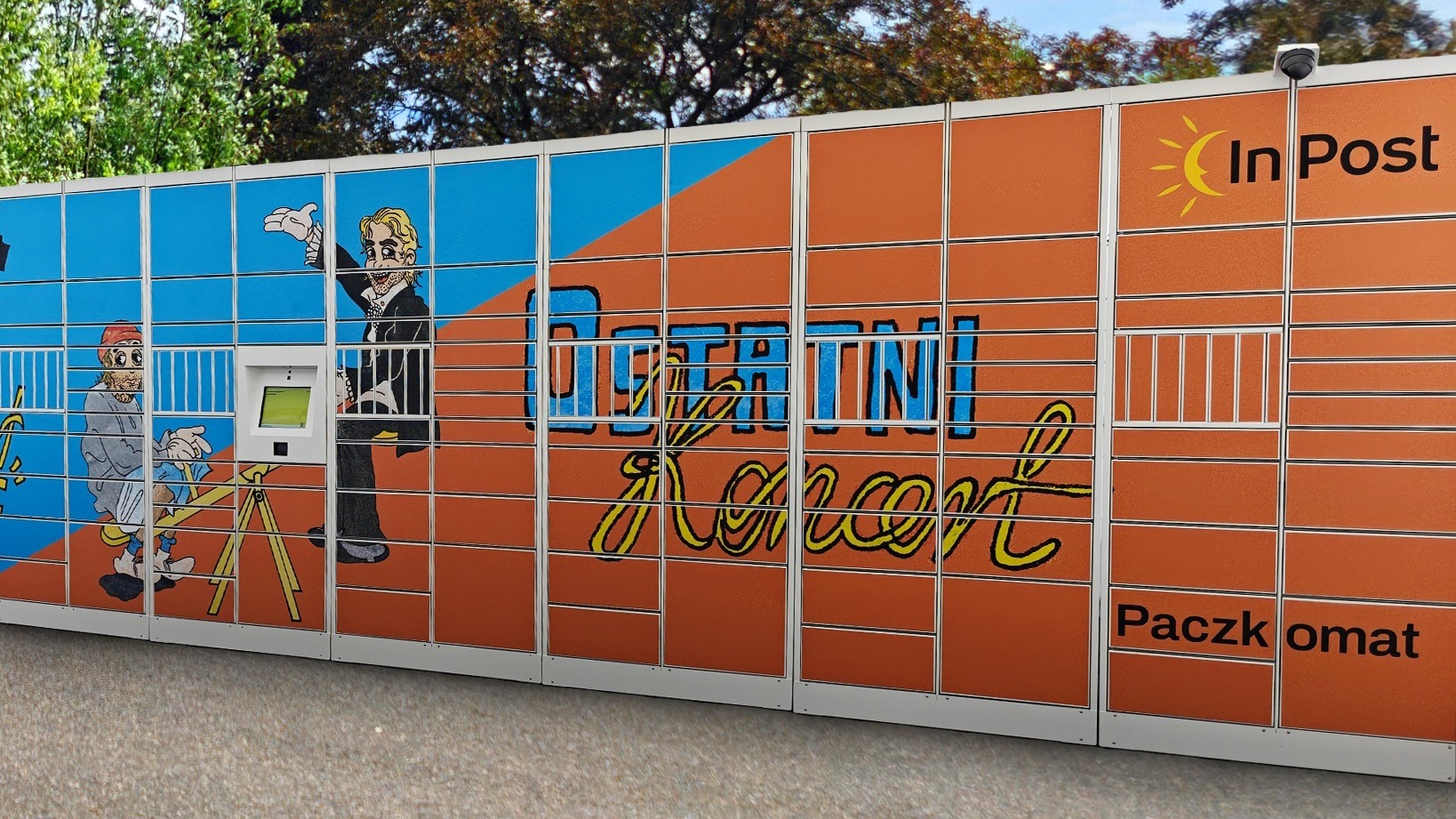
Investments in logistics often happen outside the headlines, but shape how goods are delivered. A consortium led by Advent International and FedEx has agreed to buy the Polish parcel locker operator InPost at €15.60 per share, valuing 100% of the company at €7.8 billion. FedEx’s press office announced the deal; Reuters noted that the offered price is lower than the IPO price in 2021 (€16).
What exactly happened
Under the terms of the deal, FedEx and Advent’s holding company will each hold 37%. The stake of A&R, associated with InPost CEO Rafał Brzoska, will be 16%, and the Czech investment firm PPF about 10%. The company will retain the name InPost, with its management structure and headquarters in Poland; the parties said operations will not be integrated and the companies will remain competitors in their markets.
"The consortium intends to maintain InPost’s current strategy, including further expanding its European presence in France, Spain, Portugal, Italy, the Benelux and the United Kingdom, the largest e-commerce market in Europe."
— FedEx / Advent press release
Deal structure and timeline
The €15.60 price includes dividends; the parties expect the deal to close in the second half of 2026. The transaction reflects the entry of major investors into the parcel locker market — a segment that has shown steady demand thanks to the growth of e‑commerce and the need for efficient last‑mile delivery.
"FedEx and InPost will not integrate their operations and will remain independent competitors in their respective markets and segments."
— FedEx press office
Why this matters for the market (and for Ukraine)
The purchase highlights several trends: first, major players are paying for parcel locker infrastructure as a way to reduce last‑mile costs; second, deals of this scale change competitive dynamics in the EU. For Ukrainian exporters and logistics operators, this could create additional channels to access the European market — provided competitors and regulators allow effective access and interoperability between networks.
Summary
Purely financially, the acquisition of InPost for €7.8 billion is a signal: investors are betting on the role of parcel lockers in post‑pandemic logistics. The next steps are implementing expansion plans, regulatory decisions and competitors’ reactions. For now, it is more important to watch not the loud statements but how operations and access to infrastructure will affect actual delivery routes and supply chains in Europe and neighboring regions.



