AMCU allows Horizon Capital to take a stake in Bob Snail — what it means for exports and jobs
The Antimonopoly Committee approved the HCGF IV fund’s indirect investment in the owner of the Bob Snail brand. We explain why this matters for scaling production, entering EU/UK/US markets, and maintaining investor confidence during a crisis.

By Tetiana Suchkova-Ladik
February 19, 2026 · 2 min read
AMCU decision: the gist
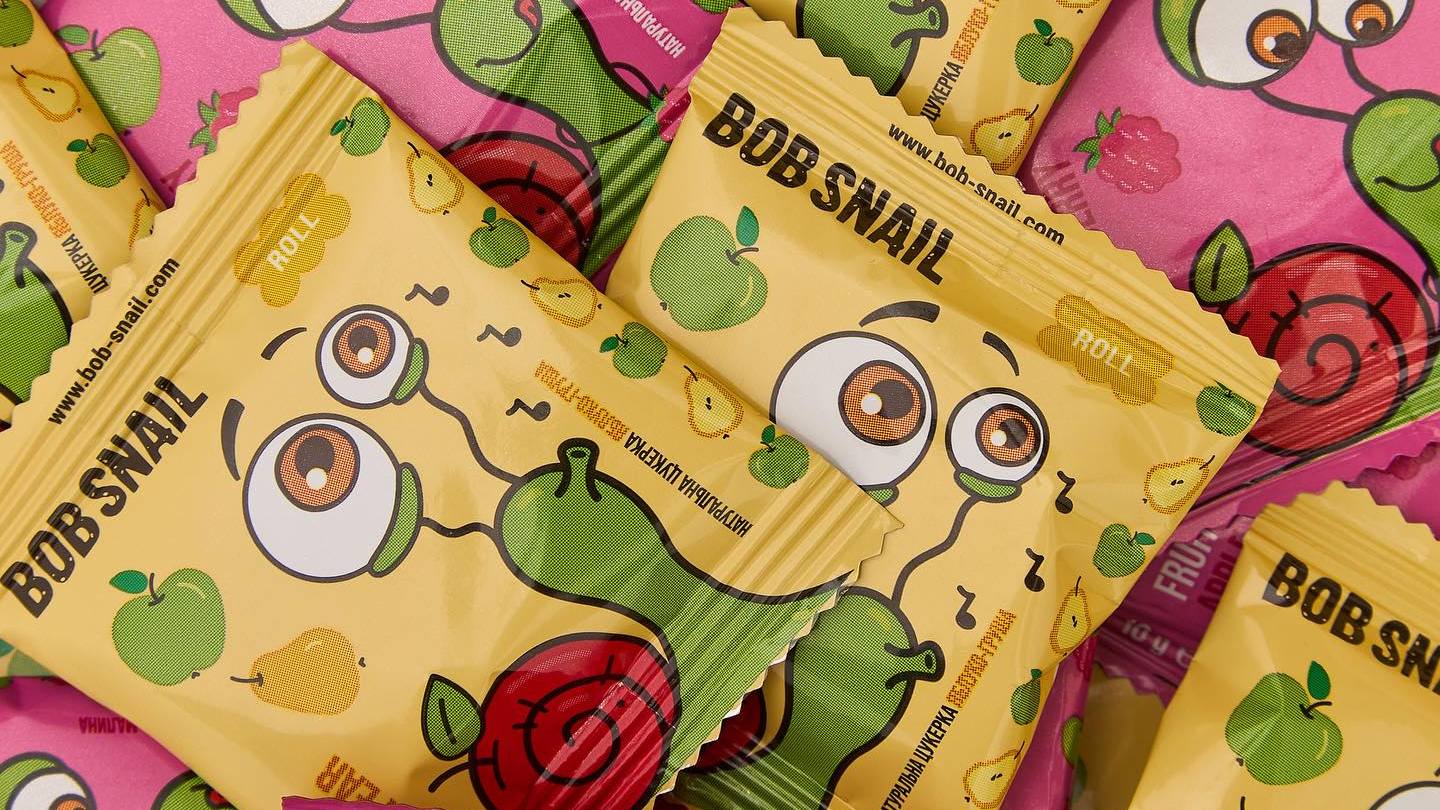
The Antimonopoly Committee of Ukraine (AMCU) on 19 February allowed the HCGF IV fund managed by Horizon Capital to indirectly acquire equity in LLC Eco‑Snack — the producer of fruit snacks under the Bob Snail brand. The permit envisages acquiring control through HCGF IV Co‑Investment II Limited together with YS Capital Limited and MMTD Investment Limited over WHS World Healthy Snack Limited (Cyprus), which owns 100% of Eco‑Snack.
Terms of the deal
The AMCU also allowed the execution of an ancillary non‑compete restriction recorded in the agreement between HCGF IV Limited and WHS World Healthy Snack Limited dated 16 December 2025, for a term of five years. This removes some regulatory uncertainty and makes the investment structure more transparent for businesses and partners.
Why this matters for Ukraine
An investment in a Ukrainian snack maker is not just a financial transaction. Eco‑Snack already announced plans in December 2025 to expand its presence in the EU, the UK, the US and to seek opportunities in Asia. In both pre‑crisis and wartime periods, such deals act as a marker of confidence from international investors and can accelerate scaling of production, job creation and growth in export revenues.
"Our key priorities are expanding exports, scaling up production and launching new product lines in the fruit snack segment. We plan to strengthen our positions in the US, UK and EU markets, where we already see steady growth in demand for products without added sugar and artificial additives"
— Eco‑Snack (press service)
Impact and risks
Positive: the investor strengthens the company’s financial resilience, opens access to distribution networks and brings experience of entering international markets. This potentially means investment in certification, equipment and logistics, and therefore — jobs and foreign currency inflows.
Risks: achieving the ambitions depends on the quality of business‑plan execution — product certification, logistics solutions and marketing. The five‑year non‑compete agreement provides legal stability but may limit strategic manoeuvres if market conditions change faster than the parties expect.
Context
The decision on Bob Snail is part of a series of AMCU rulings in recent months: in January the committee allowed Kyivstar to acquire LLC "MTPK (Tabletki.ua)", and in November it approved the transfer of the Gulliver complex into the ownership of a consortium of state banks. The regulator is actively shaping the rules for large transactions that affect the Ukrainian market.
Conclusion
The AMCU permit opens the way for investment in a Ukrainian brand and creates preconditions for export growth. It is now important that the declared plans turn into real investments — in production, certification and logistics — so that the opportunity translates into sustainable growth and jobs in Ukraine.



