Anka Feldhusen — new business ombudswoman: diplomatic capital for Ukrainian business
The former German ambassador is returning to Ukraine not as a diplomat but as a mediator between business and the authorities — an appointment that could bolster investor confidence and accelerate the resolution of administrative disputes.

By Tetiana Suchkova-Ladik
December 29, 2025 · 2 min read
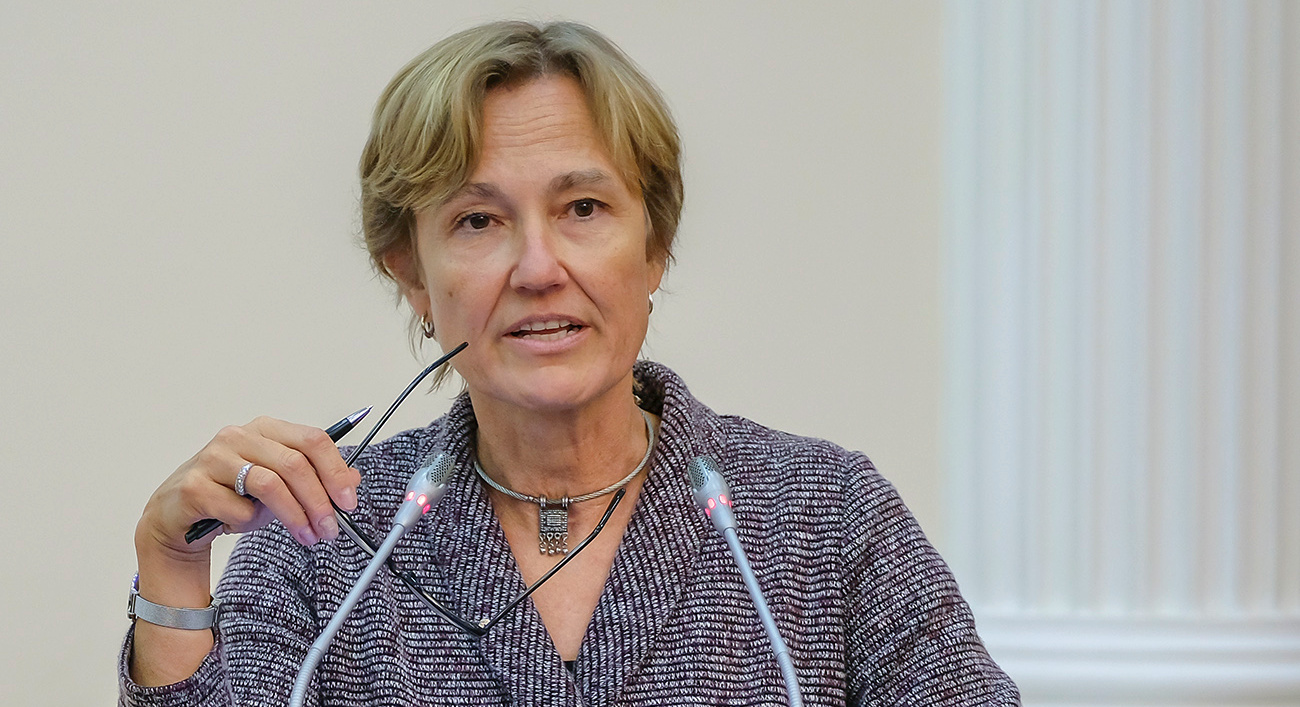
In high diplomacy, it's not loud statements but quiet agreements that matter
The Cabinet of Ministers is to approve Anka Feldhusen as Ukraine's new business ombudswoman. The nomination was approved by the Supervisory Board of the Business Ombudsman Council on 25 November; the current four-year term of Roman Vashchuk ends in January.
"Continuity of her work is critically important for business trust in state institutions, for reducing administrative barriers, and for improving the quality of public services for entrepreneurs."
— Ministry of Economy, Environment and Agriculture of Ukraine
Candidate profile
Anka Feldhusen is a German diplomat with a career in the foreign service of the Federal Foreign Office since the early 1990s. She served as Germany's Ambassador to Ukraine from 2019 to 2023 and, since 2023, has held the position of Director for Civil Crisis Prevention and Stabilisation at the Federal Foreign Office of Germany. Feldhusen has extensive experience in interstate relations and is fluent in Ukrainian.
Why it matters for business
The Business Ombudsman Council is an institution that helps entrepreneurs resolve disputes with state authorities out of court. Appointing a person with a diplomatic background is not only symbolic: it brings diplomatic capital, networks of contacts, and negotiation skills that can speed up the resolution of complex cases and reduce administrative barriers.
For investors this is an important signal: when a figure with international authority occupies this post, the likelihood that local decisions will be more predictable increases — and predictability is a key factor for long-term investment.
Risks and expectations
The effect of the appointment will depend on three things: the ombudswoman's real access to resources and information, the willingness of state bodies to cooperate, and the time available to implement changes. If the appointment remains nominal, the effect on the business climate will be limited; if, however, she is given the tools — it could become a step toward increased trust and a reduction of bureaucratic barriers.
Summary
The appointment of Anka Feldhusen is more than a personnel decision: it is a signal of a desire for continuity and the integration of international experience into the work of Ukrainian institutions. Now the ball is in the Cabinet's court: will it support the appointment with the resources and powers necessary for real change? If so — a win for business and for the country's reputation on the international capital market. If not — the high hopes risk remaining a symbolic step.



