Aramco in talks over Ukrainian drones — what it means for energy market security
Saudi Aramco is negotiating with SkyFall and Wild Hornets over interceptor drones. This is an opportunity for our defense industry and a potential factor in stabilizing global oil supplies — but there are also risks that require a measured decision by Kyiv.

By Tetiana Suchkova-Ladik
March 12, 2026 · 2 min read
Why this is worth reading
Negotiations between Saudi Aramco and Ukrainian drone manufacturers are more than just a contract. They signal demand for Ukrainian asymmetric technologies and show how private and state players in the energy market are looking for rapid solutions to protect infrastructure. For Ukraine, this is both a commercial opportunity and a diplomatic challenge.
What is known
The Wall Street Journal reports that Saudi Aramco is in talks with at least two Ukrainian companies — SkyFall and Wild Hornets — about supplying interceptor drones. These systems are intended to intercept or neutralize hostile unmanned aerial vehicles that have recently attacked oil fields in the Persian Gulf.
"The Wall Street Journal reports that Saudi Aramco is negotiating with at least two Ukrainian companies to purchase interceptor drones that could help defend against Iranian attacks on oil fields."
— The Wall Street Journal
Technology and real limitations
These are different types of solutions: from kinetic interceptors that collide with other UAVs or detonate near a target, to EW (electronic warfare) systems from Phantom Defense that disrupt the enemy's communications. But an important point is production capacity and export restrictions. Ukraine is at war, and questions of supply priorities and controls over import substitution remain decisive.
Why Aramco is in a hurry
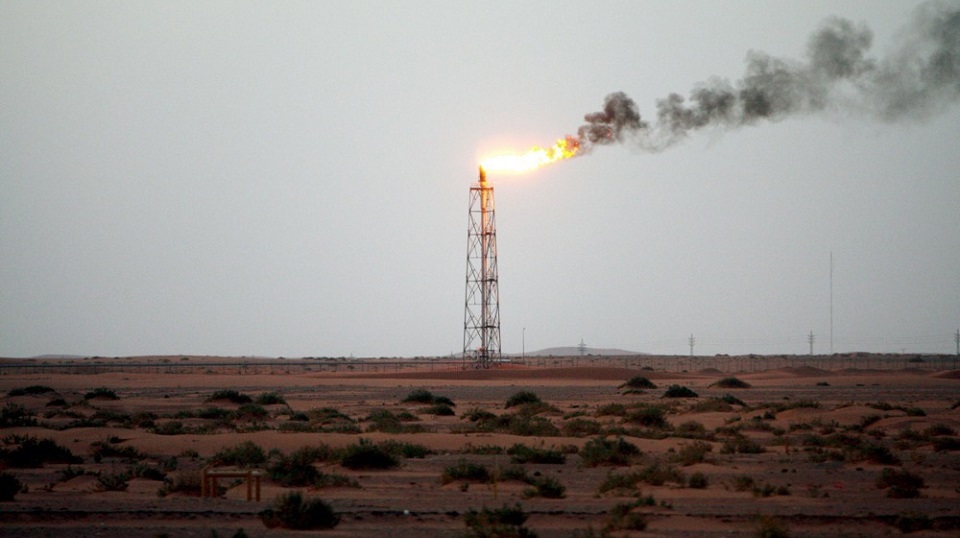
Recent attacks on fields (including the strike on Berri and attempts to infiltrate Shaybah) have demonstrated the vulnerability of critical infrastructure. For the world's largest oil exporter, quickly purchasing effective defensive systems is a matter of economic stability and reputation. In this context Ukrainian developments look attractive: they have been proven under real conditions of asymmetric warfare and can be deployed rapidly.
Consequences for Ukraine
First, this means additional money for the defense industry and validation of our companies' technological level — a strong signal for investors. Second, it's a diplomatic task: Kyiv will need to balance export licenses, its own needs to supply the front, and relations with partners in the Middle East. Third, large contracts could accelerate the development of production capacities and export supply chains.
What to expect next
The key questions are whether manufacturers can supply sufficient volumes and whether Kyiv will permit such deliveries, given defense priorities. It's also worth watching how these commercial ties will affect geopolitical dynamics in the region: private contracts can become a supplement to state-level diplomatic decisions.
Conclusion
This story is an example of how Ukrainian technologies are turning into a diplomatic and economic resource. The issue is not only about money: the balance between exports and defense must be preserved. Whether Kyiv can turn these negotiations into lasting benefits for the country depends on the speed of decisions, transparent control mechanisms, and the government's strategic priorities.



